











White queers need to shut up and learn to decenter their voices in LGBTQ+ discourse.
The beginnings of queer theory stem from a white professor, whose philosophy has been critiqued for the erasure of Native people and nations in LGBTQ+ discourse, according to a March 2020 Brief Encounters article.
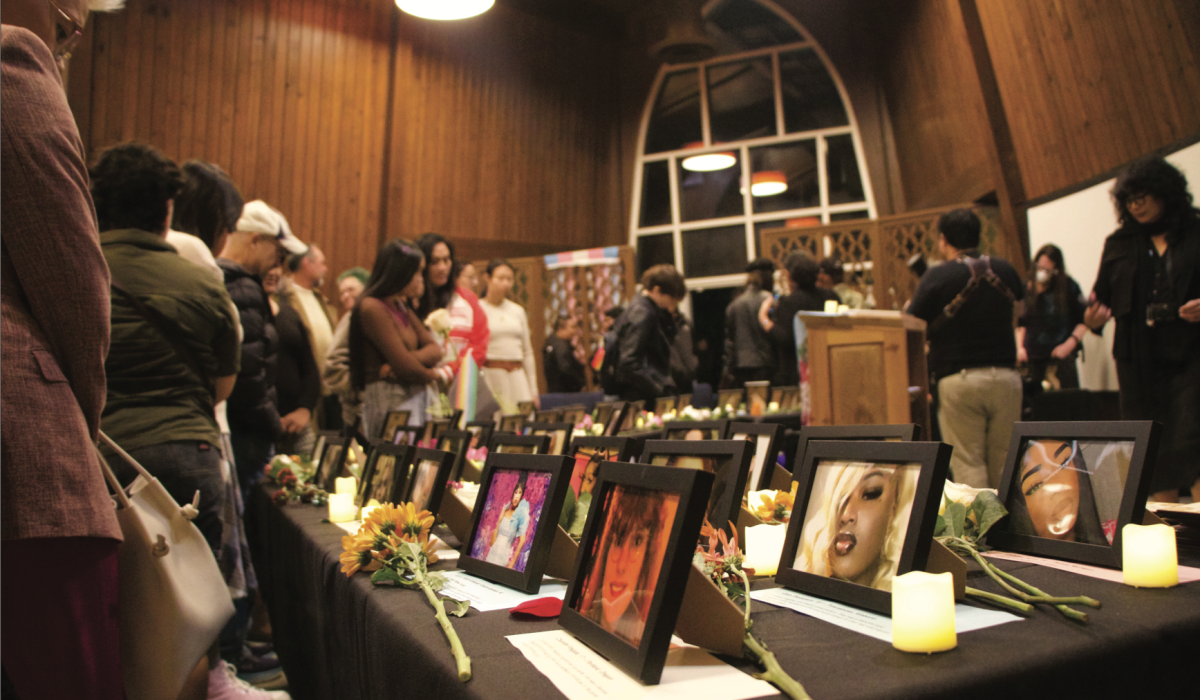
Too often queerness becomes synonymous with whiteness and centers white voices despite the majority of LGBTQ+ liberation and culture resting on the shoulders of Black and Latina trans women.
Quare studies is a framework created by scholar and activist E. Patrick Johnson published in 2001 that addresses the absence of race within the popularized theory, according to his study “ ‘Quare’ studies, or (almost) everything I know about queer studies I learned from my grandmother.”
“By refocusing our attention on the racialized bodies, experiences and knowledges of transgendered people, lesbians, gays and bisexuals of color, quare studies grounds the discursive process of mediated identification and subjectivity in a political praxis that speaks to the material existence of ‘colored’ bodies,” Johnson writes.
However, white queers are positioned as the default racial category within conversations, according to a 2021 article from the Journal Committed to Social Change on Race and Ethnicity.
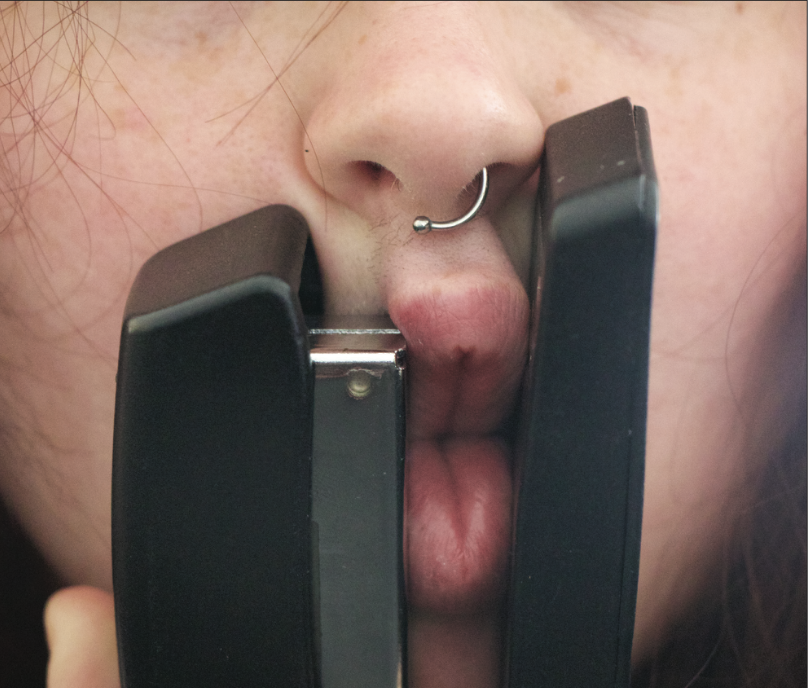
Too often, sexuality and gender identity seem to give white queers invisible duct tape to silence people of color.
Since white queers do not have to factor race into their marginalization, their refusal to engage in continued advocacy for queer and trans people of color works against those communities, according to the same 2021 article from the Journal Committed to Social Change on Race and Ethnicity.
This refusal to become educated about marginalized communities is what perpetuates the erasure of people of color.
White lesbians have co-opted the term “stud,” forgetting its origins are meant to represent masculine-of-center Black lesbians and sapphics, according to a Curve Magazine article.
The term originated in the Harlem Renaissance in the 1920s and was central to Black sapphic history, according to a July 28 Them article.
What was meant to be specifically for Black lesbians quickly became up for debate by white masc lesbians as a term to co-opt for themselves.
In queer discourse, when white people are critiqued on their conversations surrounding race, there is a tendency to deflect and become uneasy.
However, it’s this white fragility and deflection surrounding race that enables the centering of whiteness.
The excuse of ‘well I’m gay’ as a refusal to engage with any form of critique has been a shield for many white queers.
It’s this dismissive excuse that I have seen as a means to continue shitty behavior that inherently leads to the silencing of people of color.
This is a product of a white society that values and centers white bodies; however, our community needs to recenter those voices that have been the fabric of change.
Activists Marsha P. Johnson and Sylvia Rivera were among the key figures in Stonewall riots, which resulted in a positive domino effect for LGBTQ+ rights.
Following the first anniversary of the riots, Pride parades and several advocacy groups began, according to a press release from The Leadership Conference on Civil and Human Rights.
We’re in a time where marginalized communities are facing outright denial of rights, it is that much more important now than ever for white queers to acknowledge the privilege their whiteness affords them.