

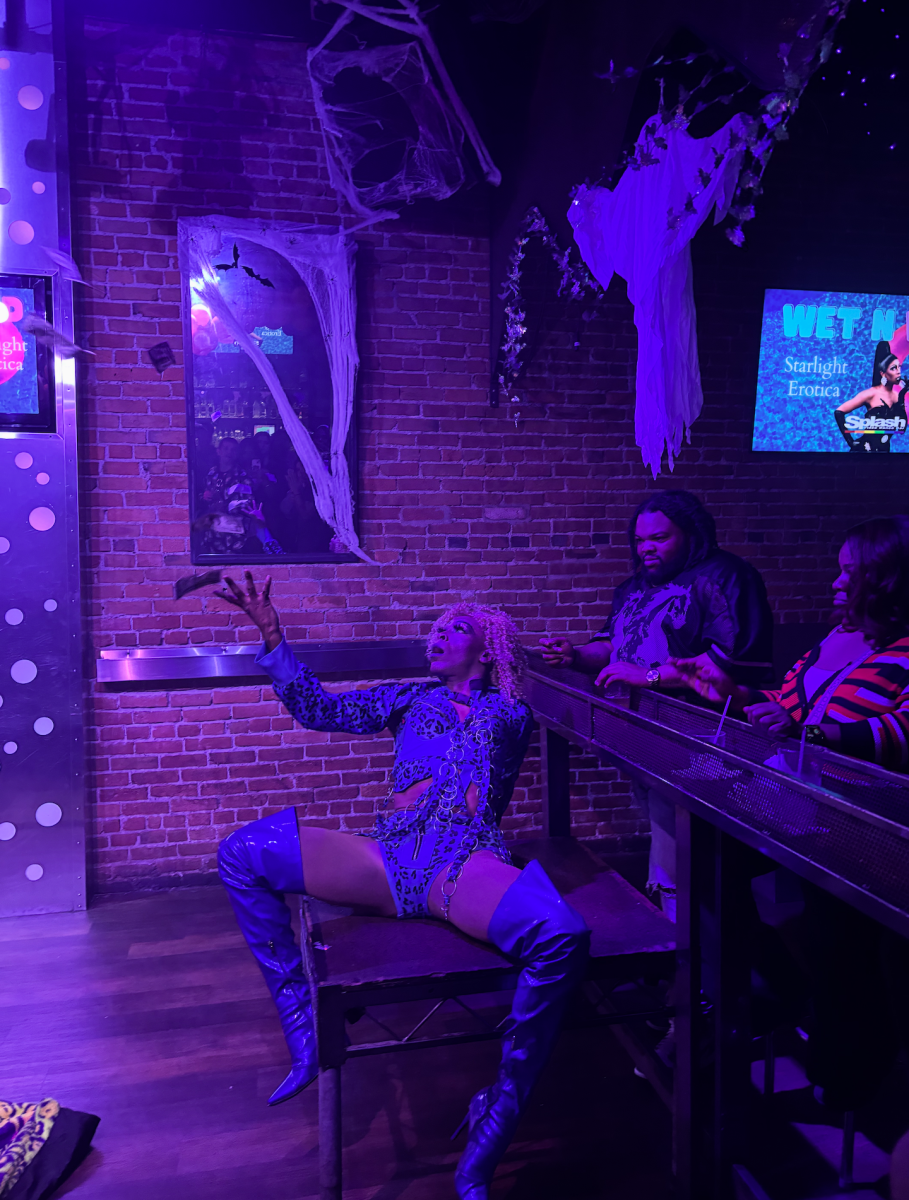
Despite drag performances taking place just blocks from campus, drag shows in San José seem to remain unfamiliar to students.
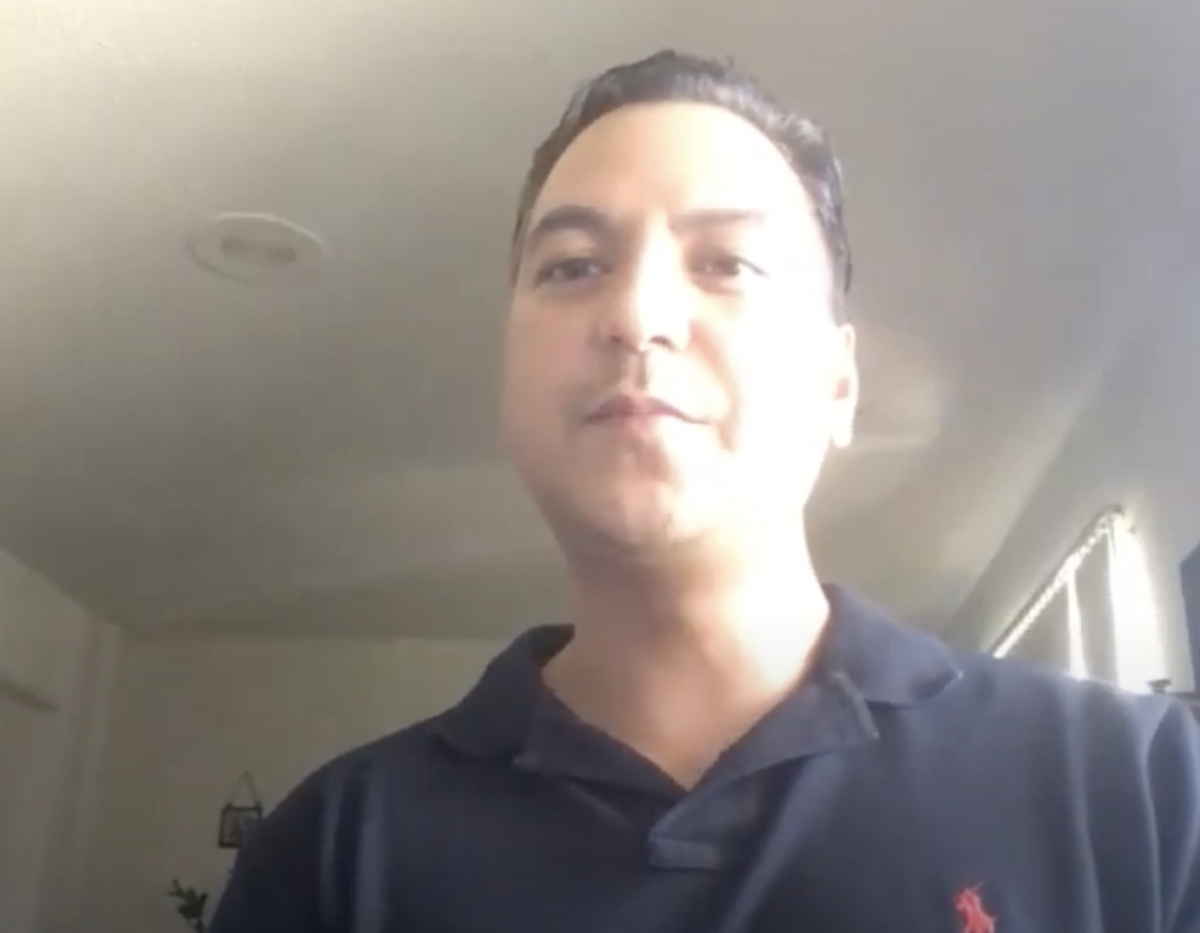
Jazmine Bailey, a fourth-year psychology student, said drag often feels hidden.
“I’ve only been to a drag show once, but I seem to never hear of them anywhere,” Bailey said. “It feels like these communities are tucked away and you have to go looking.”
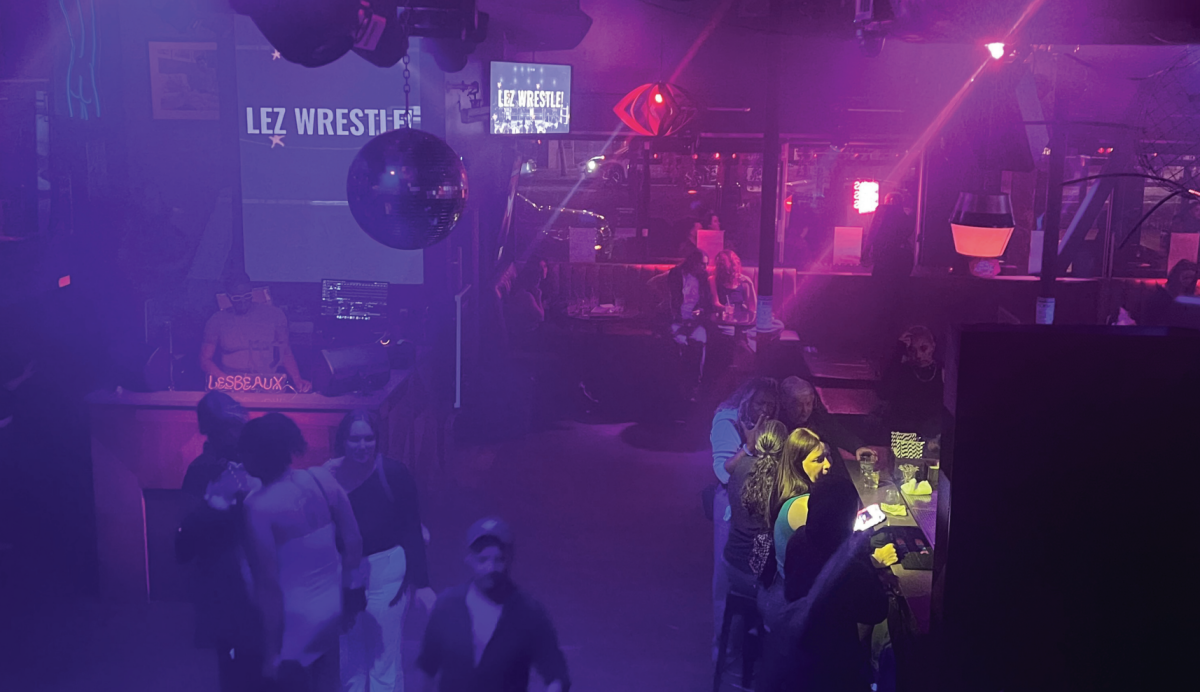
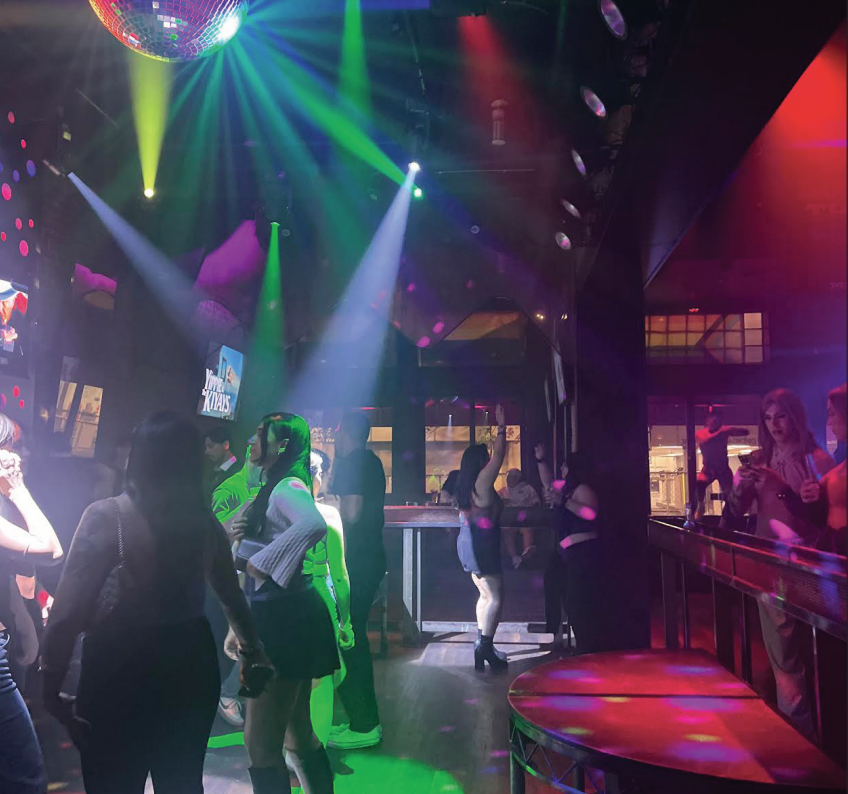
Located half a mile away from campus, Splash Bar San José is home to drag performances.
The bar hosts shows such as Blackout and Bizcochito Latin Party to celebrate underrepresented communities.
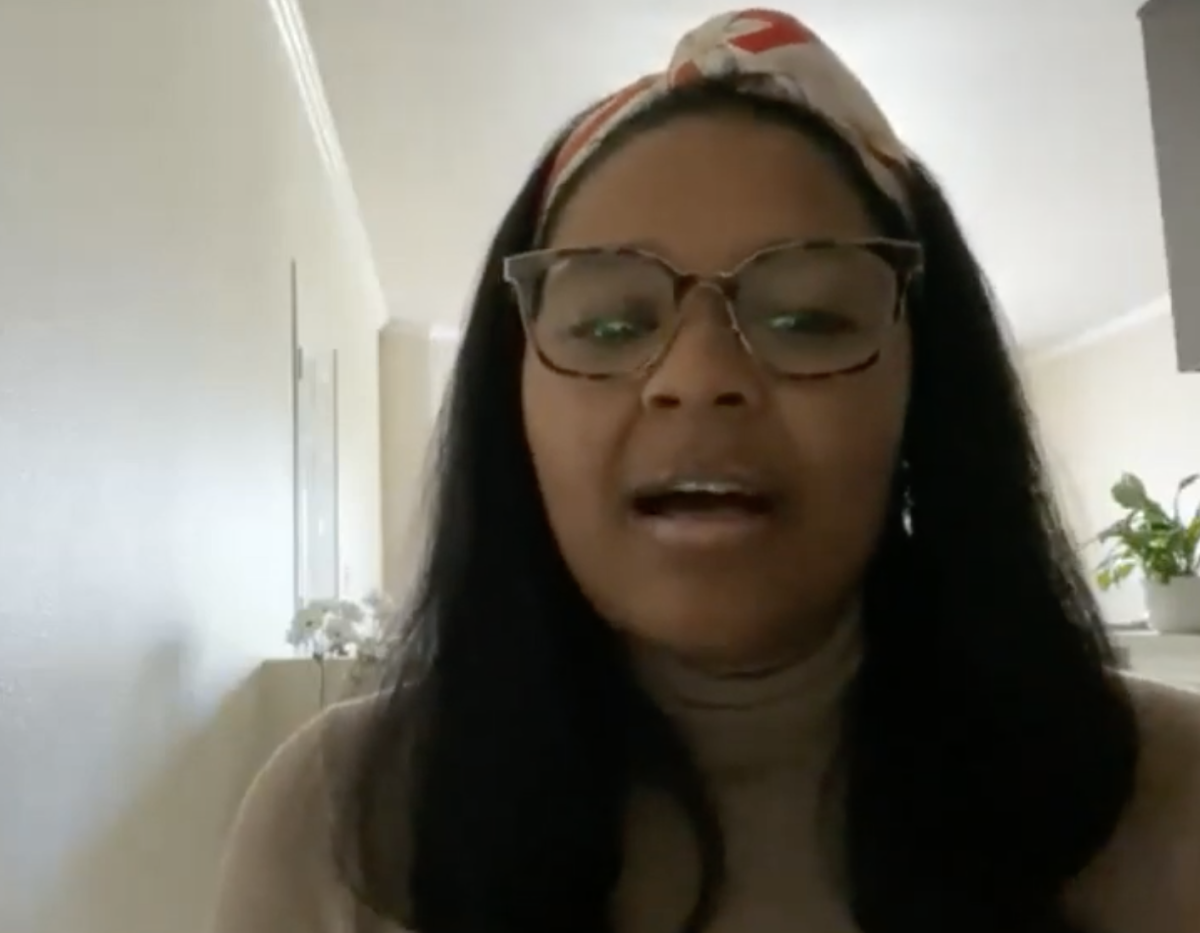
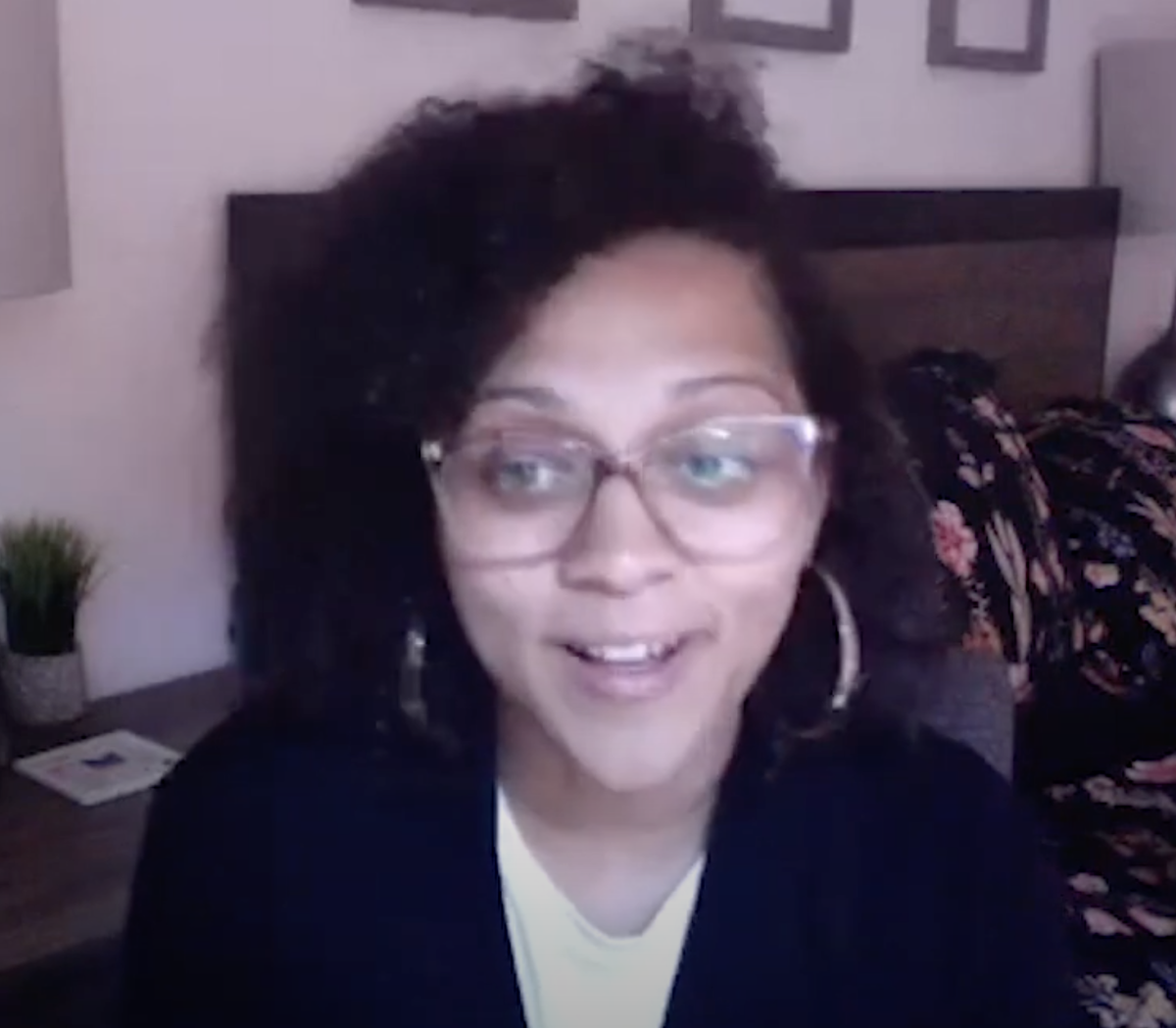
Starlight Erotica Fantasea began performing during the COVID-19 pandemic, discovering drag as a way to embody Black queer representation she felt was lacking on stage.
“I use my own physical vessel to portray what Black culture is – using myself as an example,” Fantasea said.
Black drag culture has shaped the foundation of drag in the United States, influencing everything from performance styles to music choices to the slang people casually use today, according to a June 2, 2023 National Geographic article.
Words like “yas,” “work” and “shade” were first used in those underground drag balls, according to the same source.
The history of Black drag goes back more than a century beginning with William Dorsey Swann, widely recognized as the first self-described “queen of drag,” according to a PBS Oct. 1, 2021 article.
He began hosting drag balls in Washington, D.C., in his early 30s, which would’ve been the late 1800s and defended his community against police raids, according to the same source.
Harlem’s Hamilton Lodge No. 710 began hosting drag balls during the post-Civil War era, making them some of the earliest recorded drag events in the U.S., according to a June 28, 2021 History Channel article.
Fantasea said her techno-driven, high-energy sets allow her to explore the emotional extremes of drag and convey them to her audience.
“I want young Black people to see that they can live fully, thrive hard and create art where possible,” Fantasea said.
This influence can be seen today in popular categories, voguing and the structure of drag competitions, according to the same article.
Voguing is a stylized dance form that originated in Black LGBTQ+ ballroom culture and draws on angular, model-like poses inspired by fashion magazines like Vogue and dramatic arm and body movements, according to the same History Channel article.
“Black drag isn’t new. It’s not niche. It’s history, culture, and continued resistance – and it’s happening right here in San José, whether students know it or not,” Bailey said.
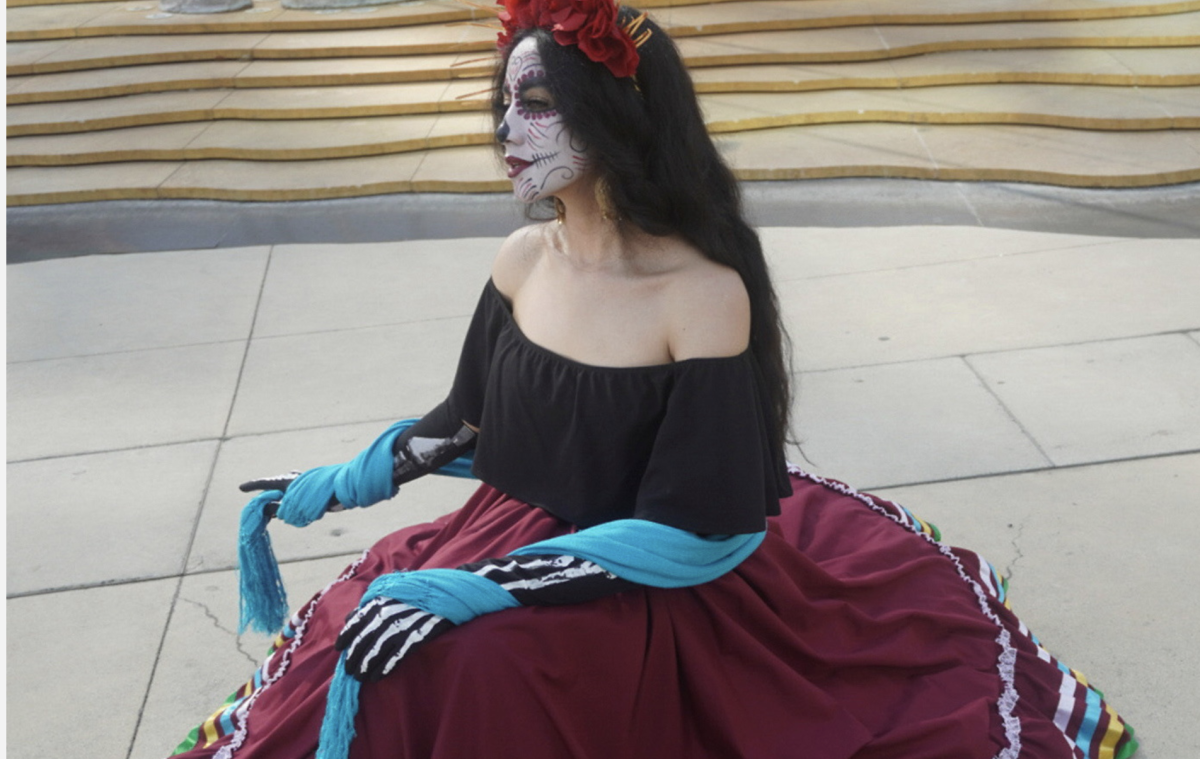
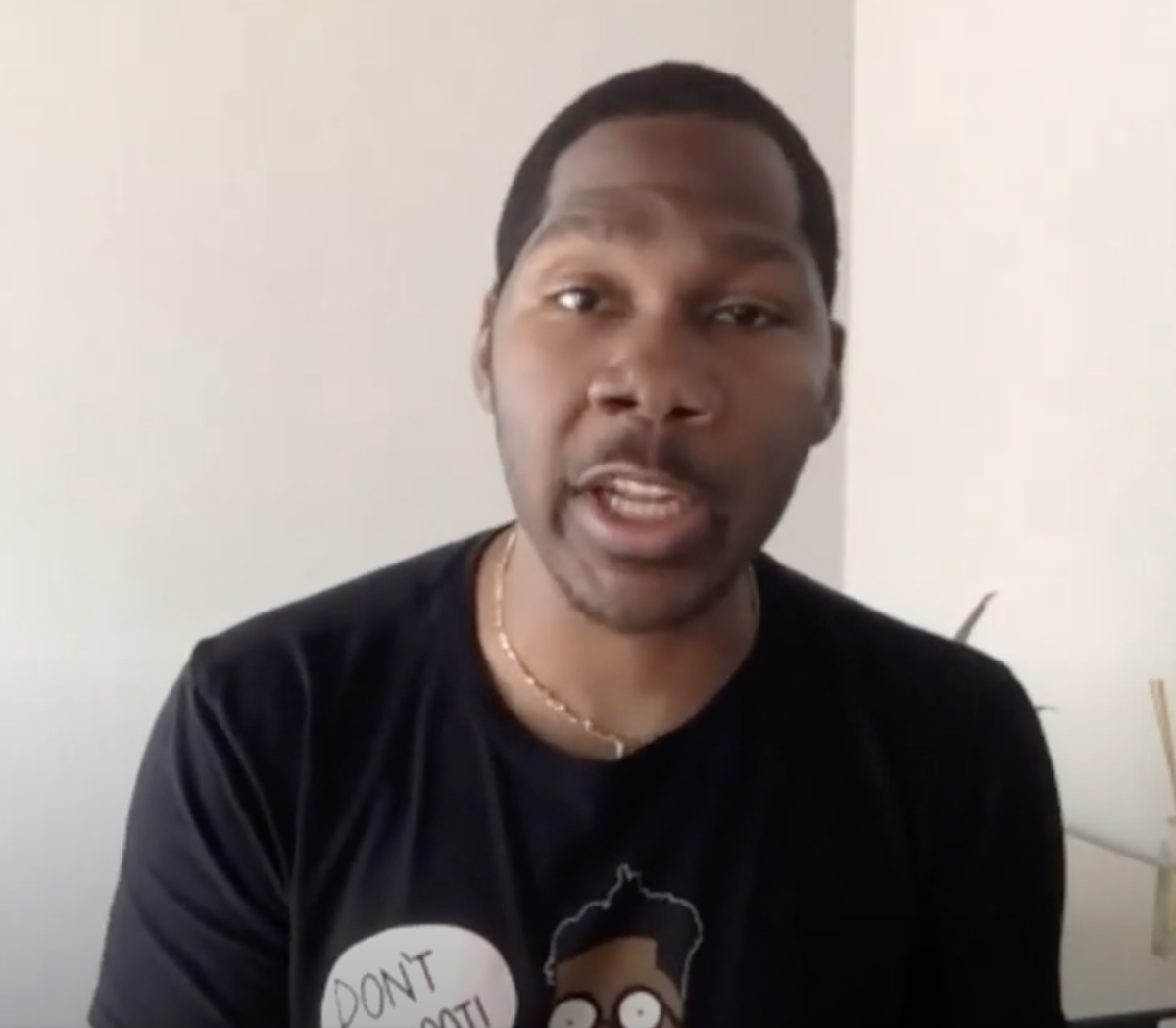
Ivy Flores, a performer at Splash Bar San José, first encountered drag after meeting local artist Primadonna Moore.
“We had a deep conversation about gender identity and self-expression,” Flores said.
“Drag became an opportunity for me to dance, but more importantly to express my femininity in a safe space.”
Flores said she incorporates her Latinx heritage into her performances, performing Spanish-language songs, paying tribute to artists like Selena and sharing personal stories through music.
Queer Latinx people in Los Angeles were often excluded from mainstream gay nightlife, so they created their own underground clubs, backyard parties and community spaces to build belonging on their own terms, according to a Nov. 15, 2022 Latinx Project at New York University article.
“I hope people leave feeling inspired, seen, appreciated and loved,” Flores said “I hope they witness my trans liberation and joy.”
Flores sees progress in Latinx representation and highlighted Bizcochito – a weekly show at Splash that centers Latinx performers, showcases Latin music and culture.
“I channel my own emotion into my work so others can feel, laugh, cry, feel seen and be inspired to keep pushing forwards in their life,” Flores said. I hope my work inspires people to unmask the parts of themselves they thought had to be hidden.”
Queer people of color spaces today often function as community hubs where performers can express culture-specific identities, but still lack consistent protection and accessible venues, according to a July 2022 Pride Action Tank summit report.
However, despite this importance, many people of color centered queer organizations receive less than 5% of all LGBTQ+ funding, according to the same summit report.
“There are pros and cons. One pro is allowing diversity to flow and have impact,” Flores said. “But the shortcomings are lack of safety, lack of financial support, poor education and mental health being ignored.”
Drag performance can be a rewarding career, but it often comes with financial instability. Many performers deal with high costs for wigs, makeup, shoes and travel, and their income can be unpredictable, according to a July 27, 2018 Vice article.
“My life is random – I get bookings at random times. The best way to know where I’ll be is through my Instagram,” Flores said.
Flores is currently preparing for her sixth annual drag Christmas show at Christmas in the Park, a San José tradition she founded.
“I hope people think about what it means to be Black queer performer and remember diversity should always be present,” Fantasea said.