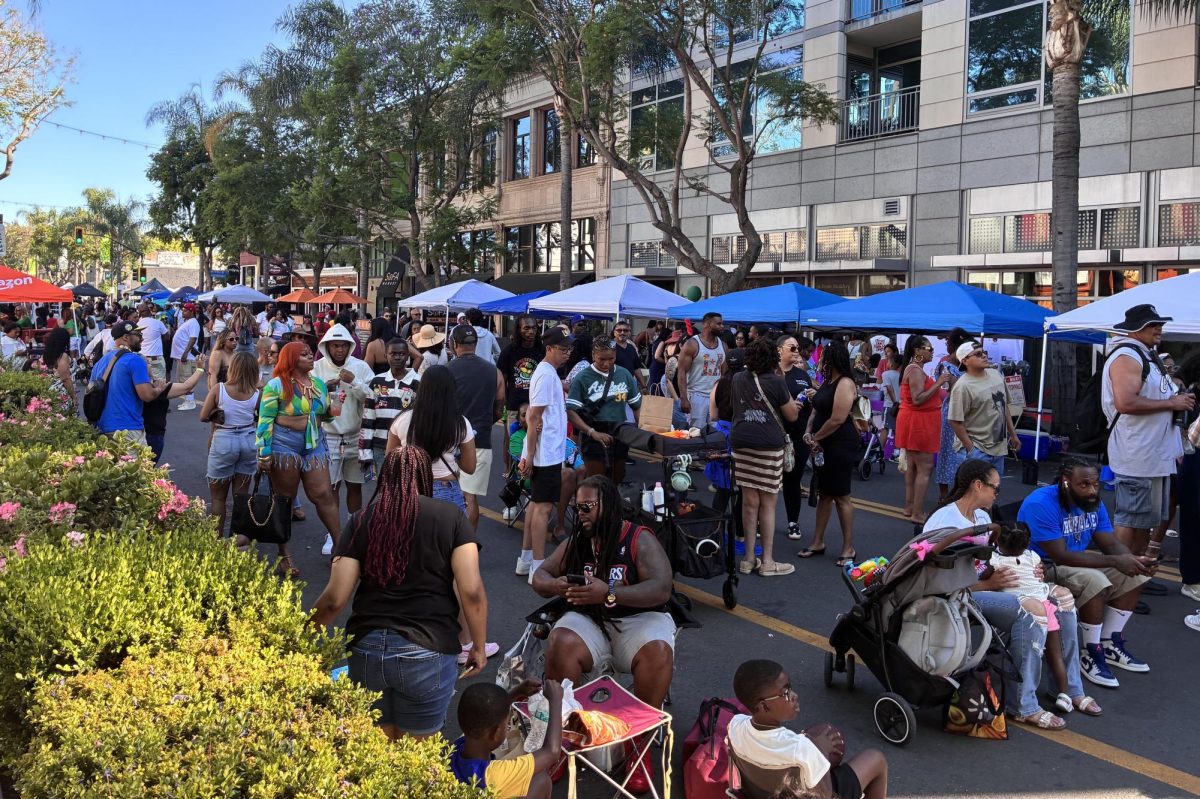


The San José African American Community Service Agency hosted its 45th Annual Juneteenth in the Streets Festival on Saturday as a celebration and recognition of African Americans’ culture, community and freedom.
Juneteenth is celebrated annually on June 19 to commemorate the end of slavery in the United States, according to the National Museum of African American History and Culture.
The speakers and performers centered around themes of Black power and resilience. Attendees were welcomed by the sense of community and family brought by the event, leaving with lasting memories and warm hearts.
The event was held in SoFa District, where a large crowd gathered at the main stage set on the intersection of South First and San Carlos streets to listen to the scheduled speeches and performances.
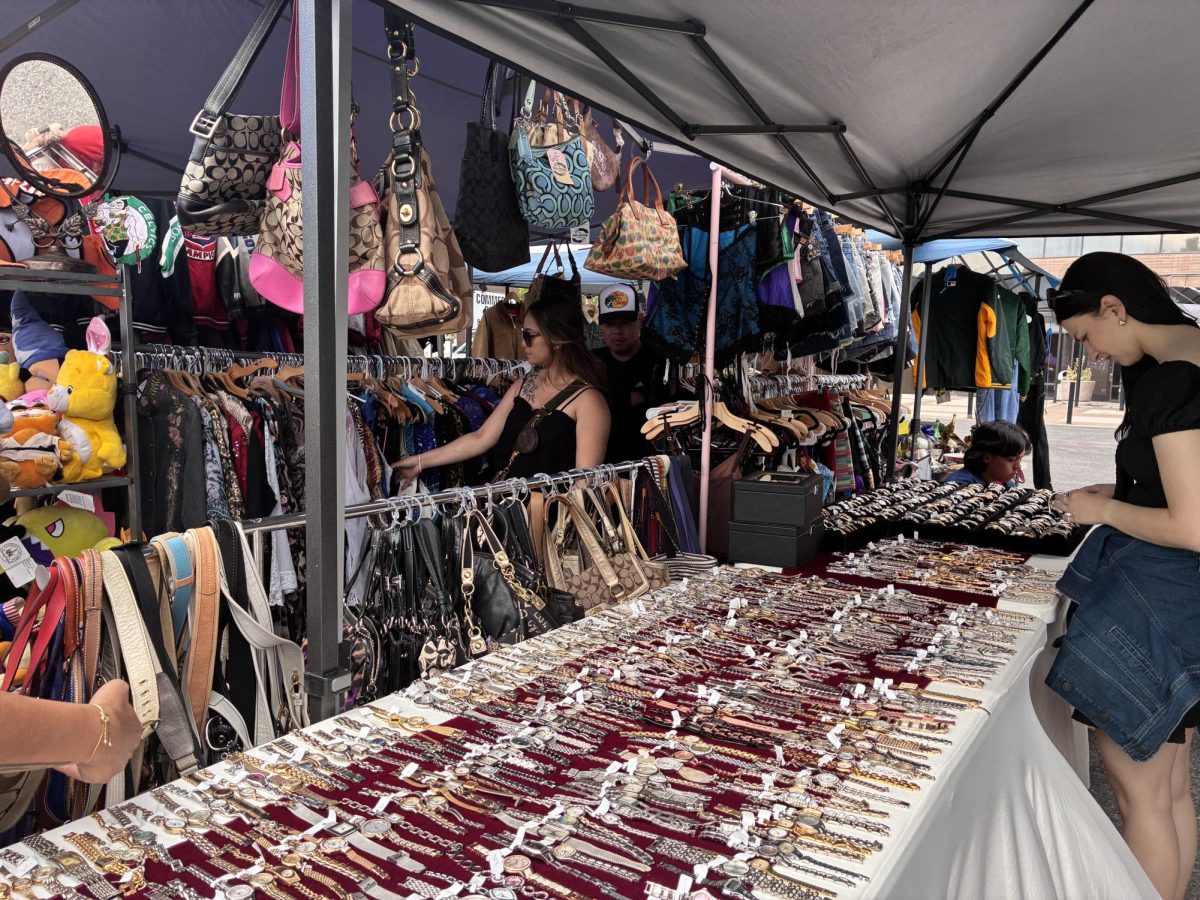
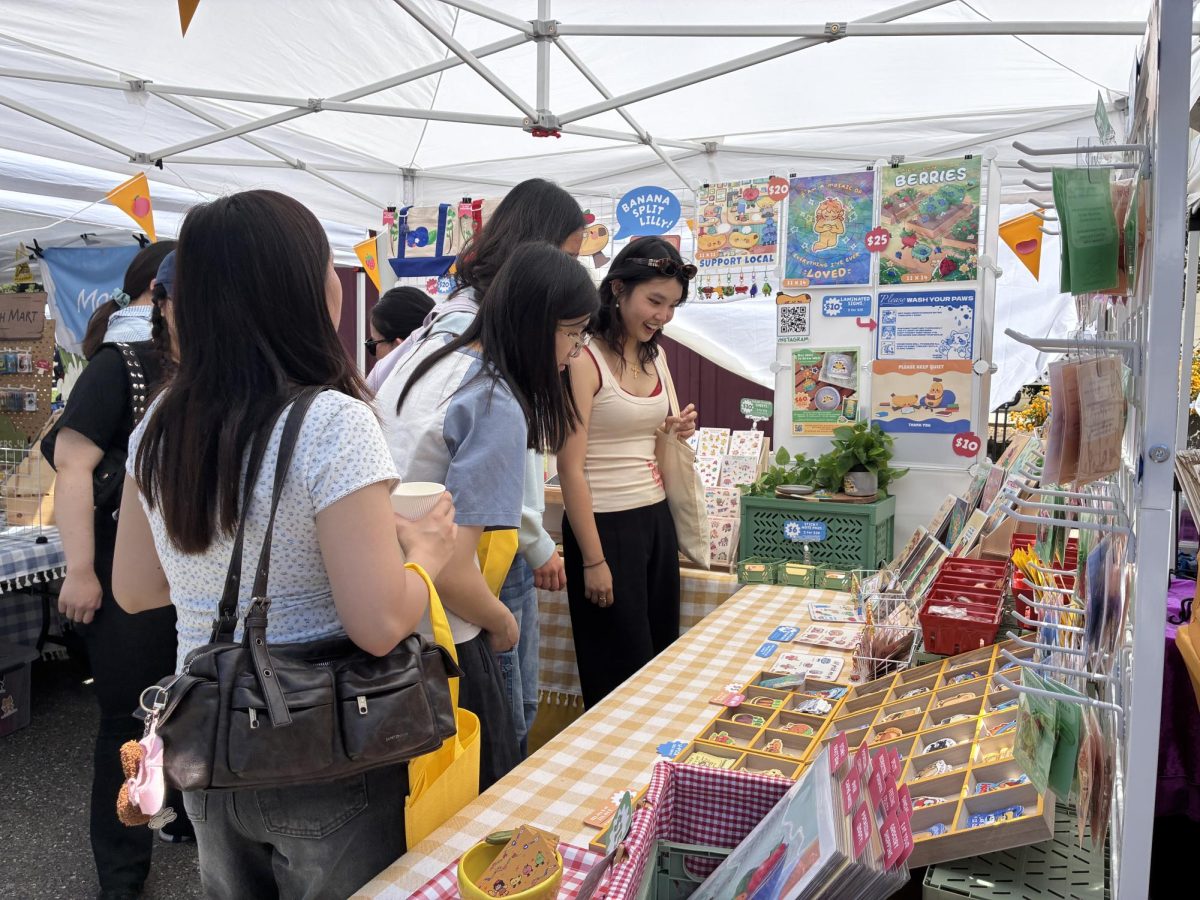
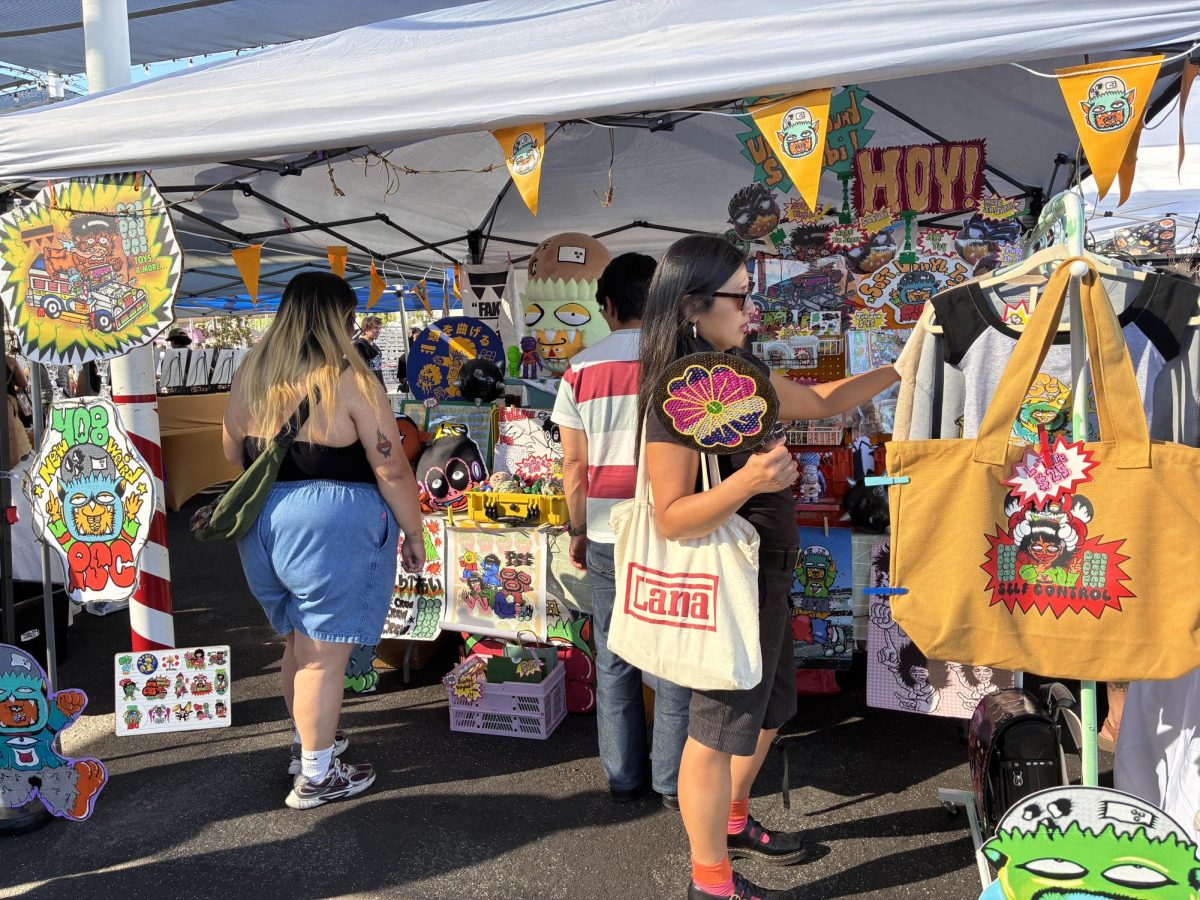
Near the intersection of East San Salvador and South First Street, small businesses set up booths to display original merchandise representing African American culture, including clothing, children’s books and natural hair care products.
Small businesses in attendance included BLVCK LEMONS, The Secret Door, Melanin Gang and Fatima’s Hair Oil.
Food vendors were spread throughout East William and South First Street, offering a variety of foods, such as fried catfish, oxtail, pound cake and spicy chicken wings.
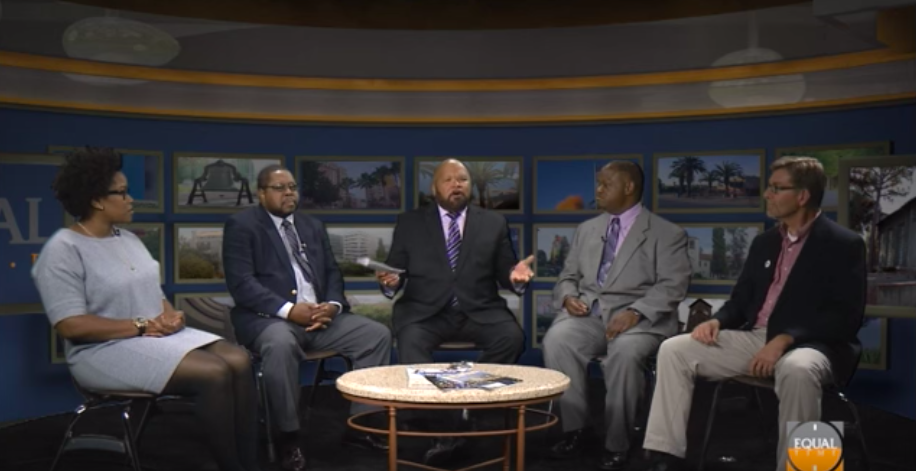
A “Living Legend Panel” in the evening welcomed San José State University President Cynthia Teniente-Matson, Olympic gold medalist and human rights advocate John Carlos and Grambling State University President Martin Lemelle Jr.
“It’s a great honor to be a legend, to be respected by your peers,” Carlos said. “But I don’t think I started out in terms of me being a legend; I just think I was doing God’s work. As a young Black man, I realized that I wasn’t born alive. I was born dead.”
Carlos graduated from SJSU in 1969 with a degree in social science, according to an SJSU Writing Center alumni webpage.
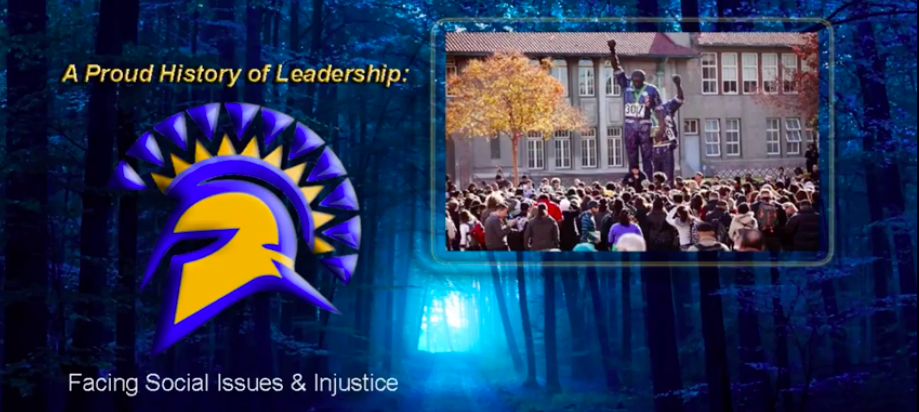
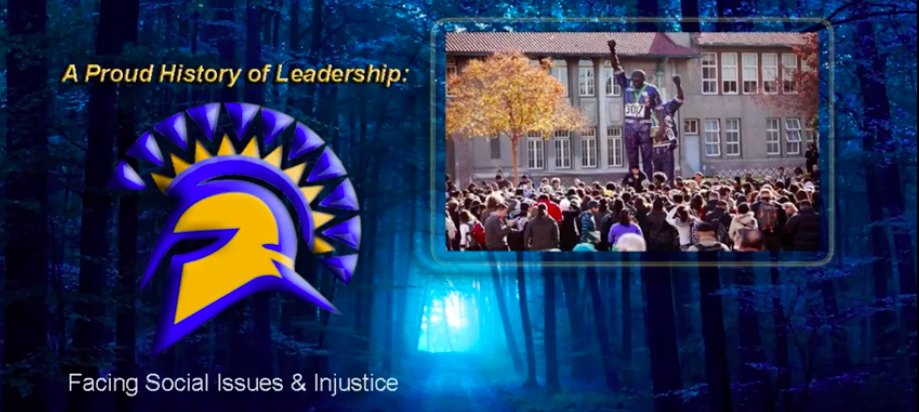
On the stage, Carlos voiced that during the 1968 Summer Olympics in Mexico City, he and his teammate Tommie Smith raised their fists on the podium in opposition to racial discrimination against Black athletes.
“I began to realize that, as a young Black man, I’m fighting for my life,” Carlos said. “I’m fighting to resurrect the minds of Black people … You guys look at me as a legend, just remember when I was on that victory stand, and Mr. Smith was on that victory stand, we had your spirit. Your soul was right there on that stand with us.”
Later, SJSU sociology professor Harry Edwards and SJSU alum Ken Noel organized the Olympic Project for Human Rights to bring attention to SJSU’s athletic program, according to the SJSU College of Social Sciences.
The Olympic Project for Human Rights was a boycott organized to protest the systematic violation of Black people’s human rights in the United States and to expose the United States historical exploitation of Black athletes as political propaganda tools, the same webpage reads.
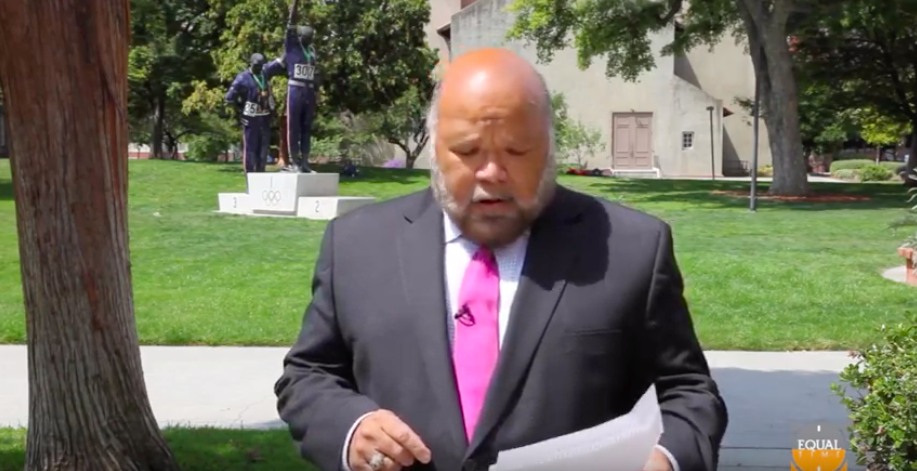
The Olympic Black Power Statue, or the Victory Salute statue, portrays Carlos and Smith raising their fists at the 1968 Summer Olympics, was established on SJSU’s Tower Lawn, across from Robert D. Clark Hall, in 2005 and remains there to this day, according to an SJSU Victory Salute webpage.
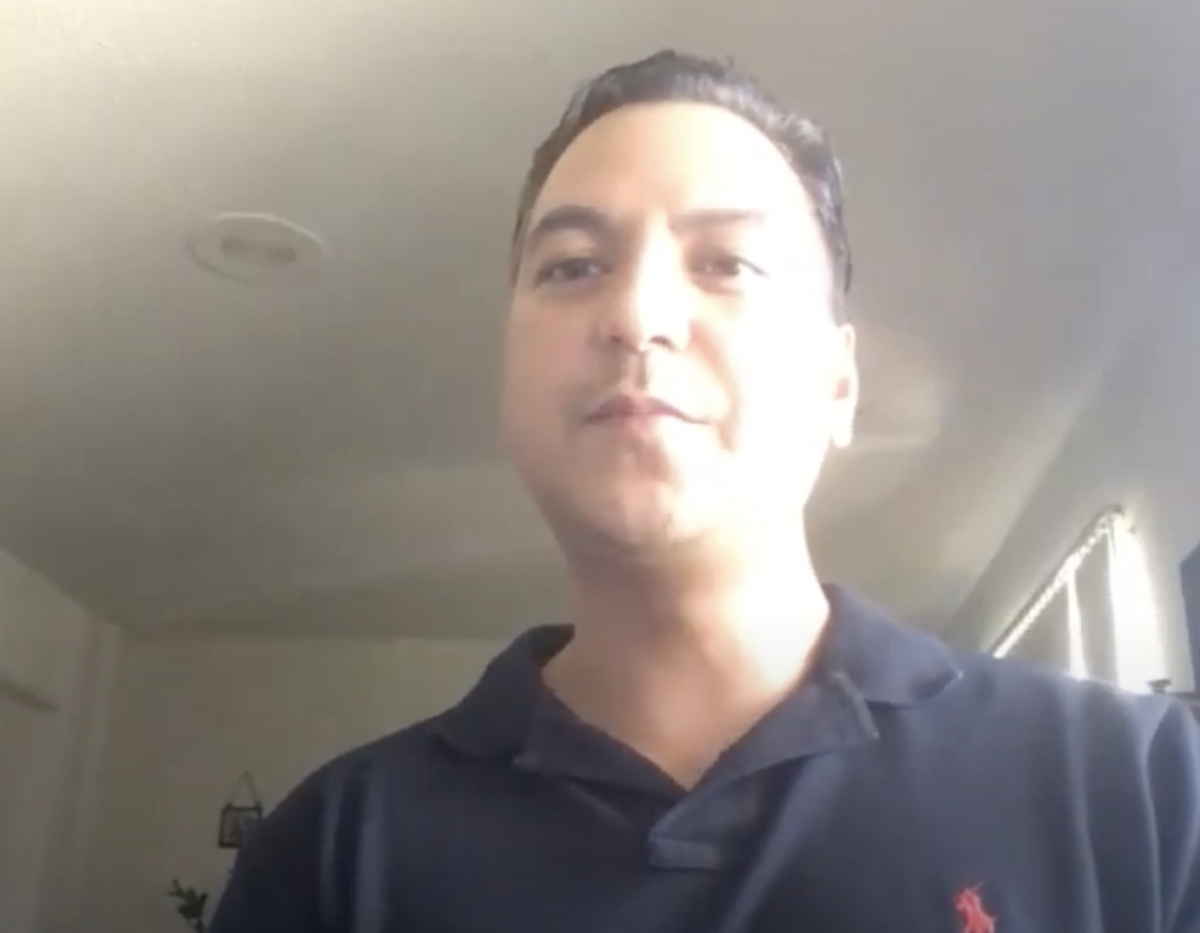
The event host Marcus Washington asked SJSU President Teniente-Matson about similarities between challenges in SJSU athletics while Carlos was competing, and now with the ongoing California State University system lawsuit.
The CSU board of trustees filed a lawsuit against the U.S. Department of Education for its findings in a Title IX investigation into SJSU that claimed SJSU violated Title IX by allowing a transgender athlete to compete in women’s volleyball, according to an April 8 Spartan Daily article.
“San José State feels a moral responsibility for people to show up as their authentic self,” Teniente-Matson said. “That authenticity also means a wide range of inclusion, those principles are something we stand firmly behind. … San José State is doing what we have to do to protect the integrity of our university, but also to ensure the widest range of opportunities exist for everyone.”
Other performances were spread throughout the duration of the event, including Travis Malloy, Ayo Brame, Montell Jordan, Prentice Powell, SWV (Sisters With Voices) and more.
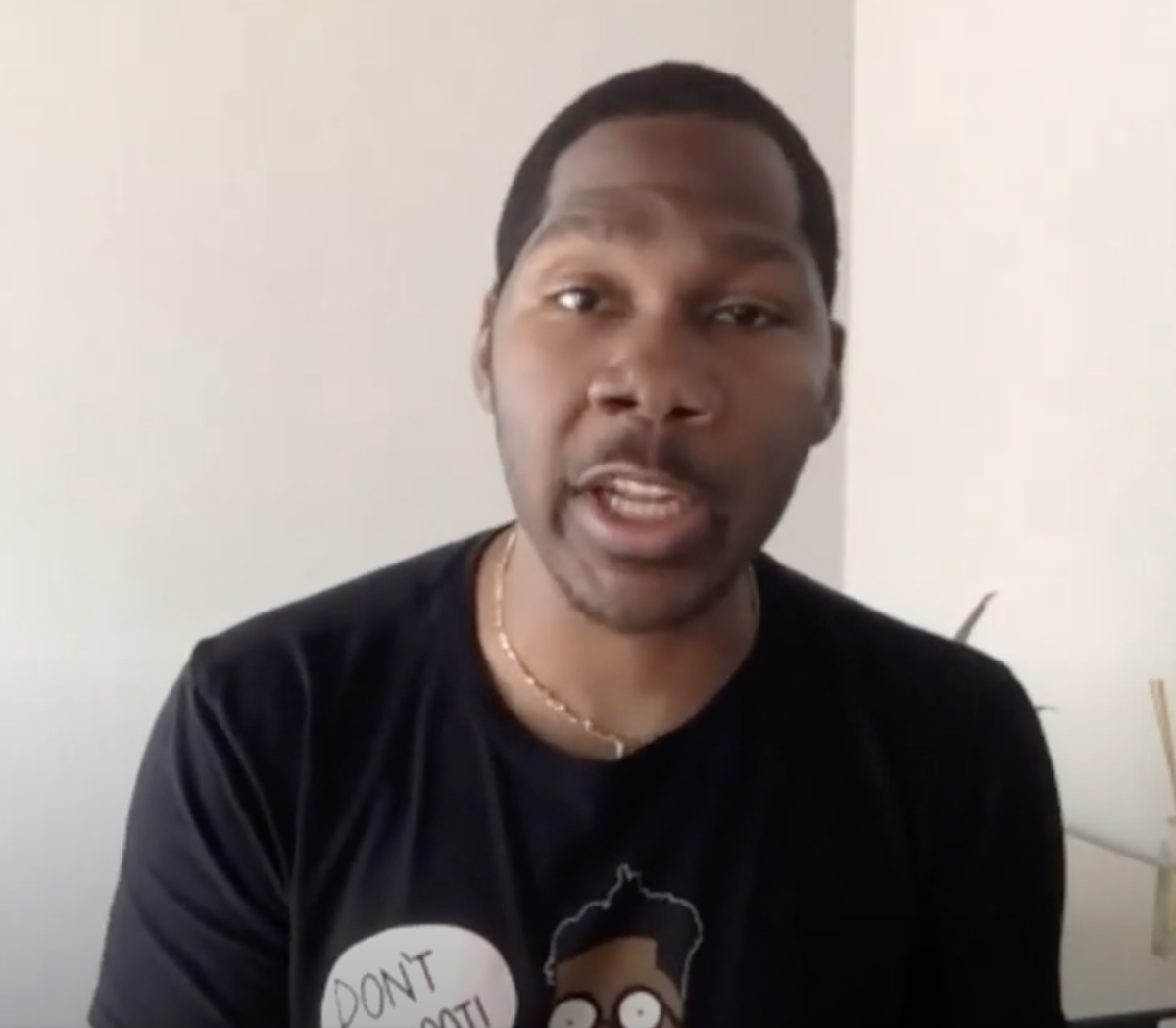
Powell, a spoken word poet and a 2024 Grammy nominee, shared a poem before the “Living Legend Panel.”
“Please applaud Black women, but I also wanted to take time to acknowledge Black men, because I feel like it doesn’t happen enough,” Powell said.
The San José African American Community Service Agency and event collaborators helped San José personify Black culture and let Black communities see their history and beliefs taught and respected.
“Everybody is not going to be an athlete, but everybody should be treated as well as an athlete and have that opportunity,” Carlos said. “We went there as young Black men to do what we thought was necessary to do. We weren’t going to be intimidated. We were gonna stand there and take our licks.”