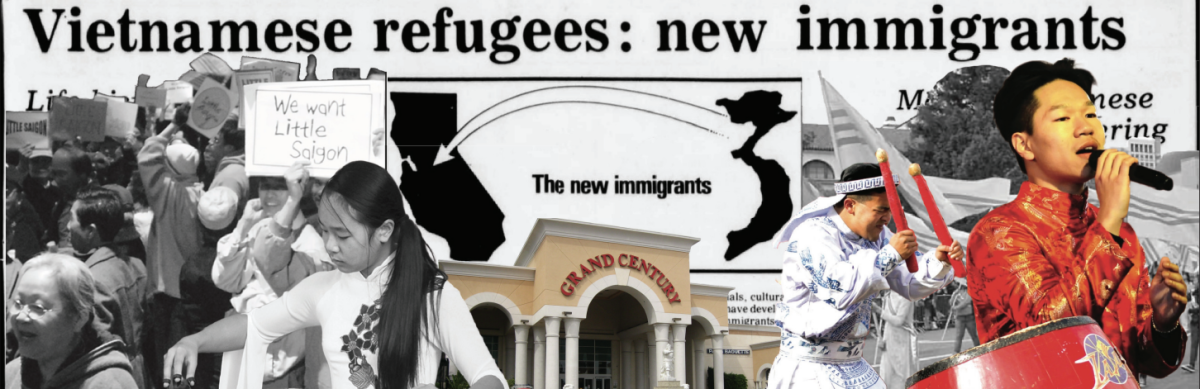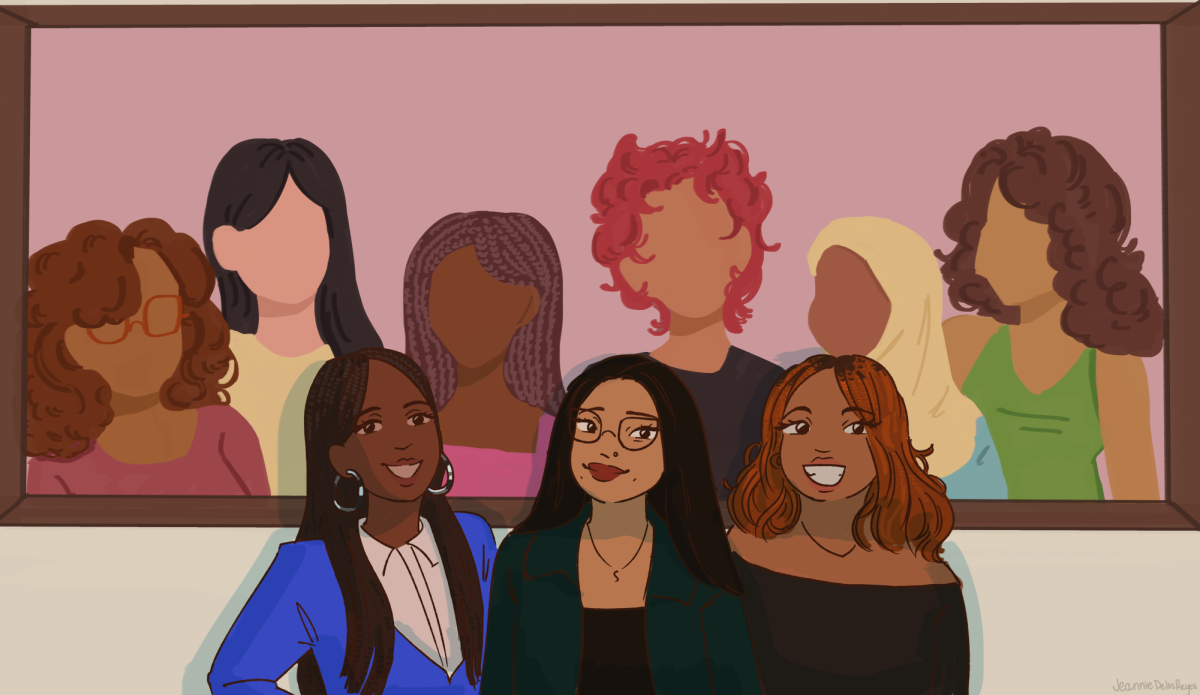
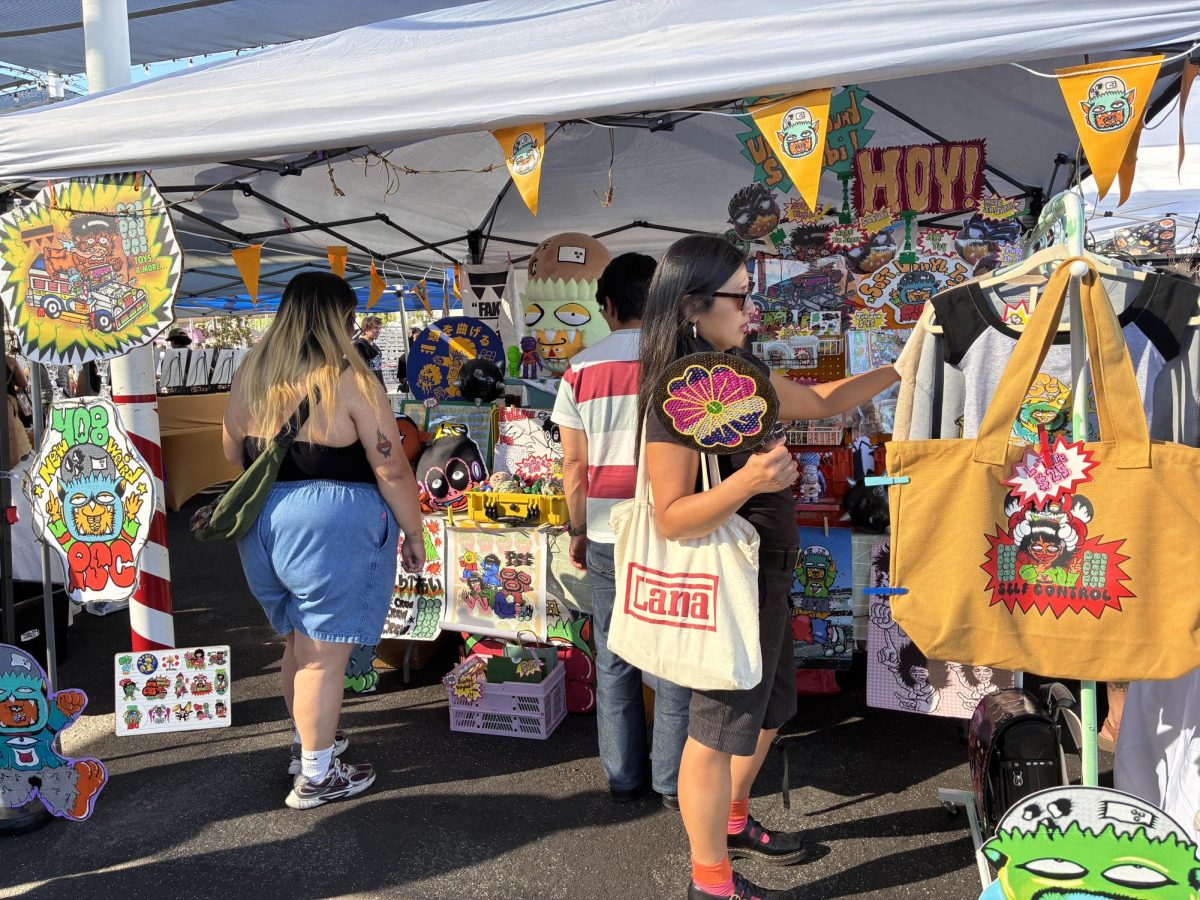

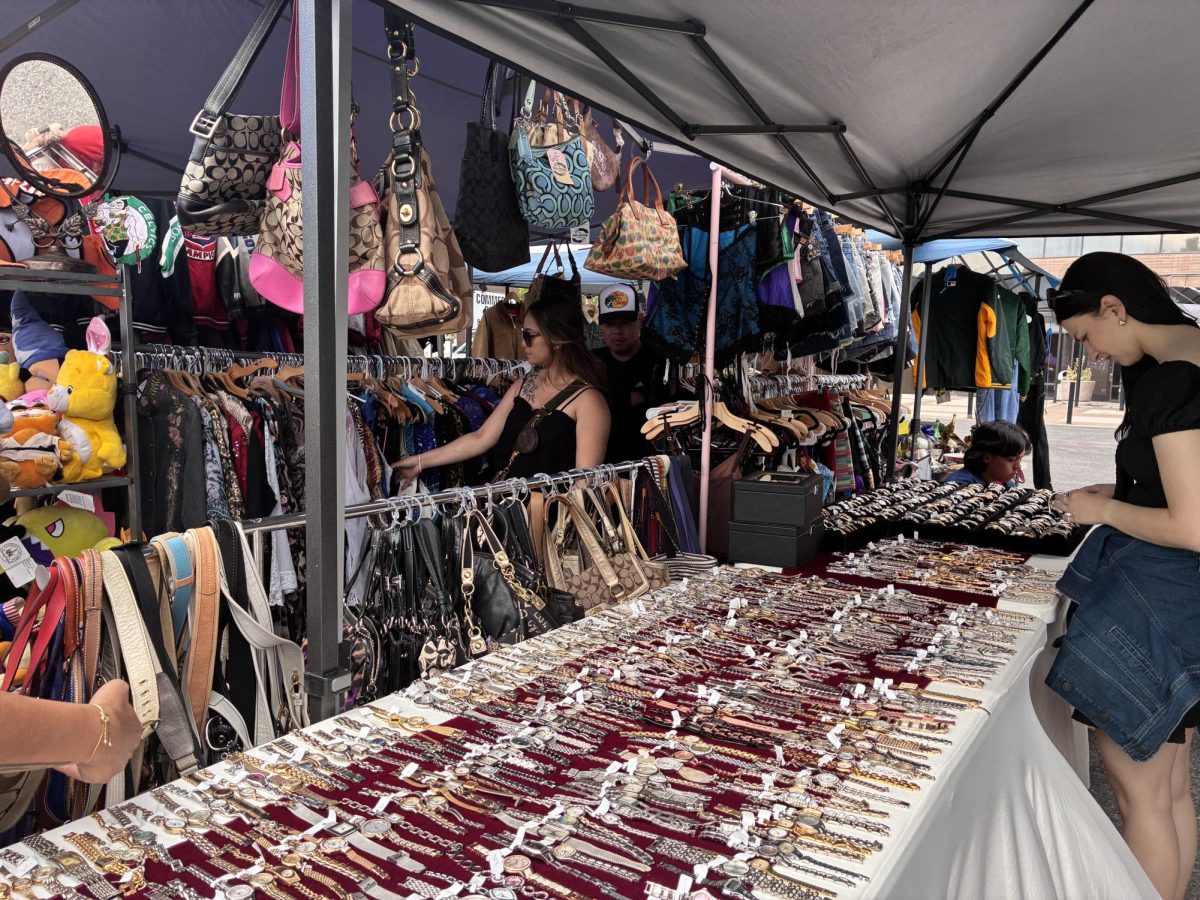
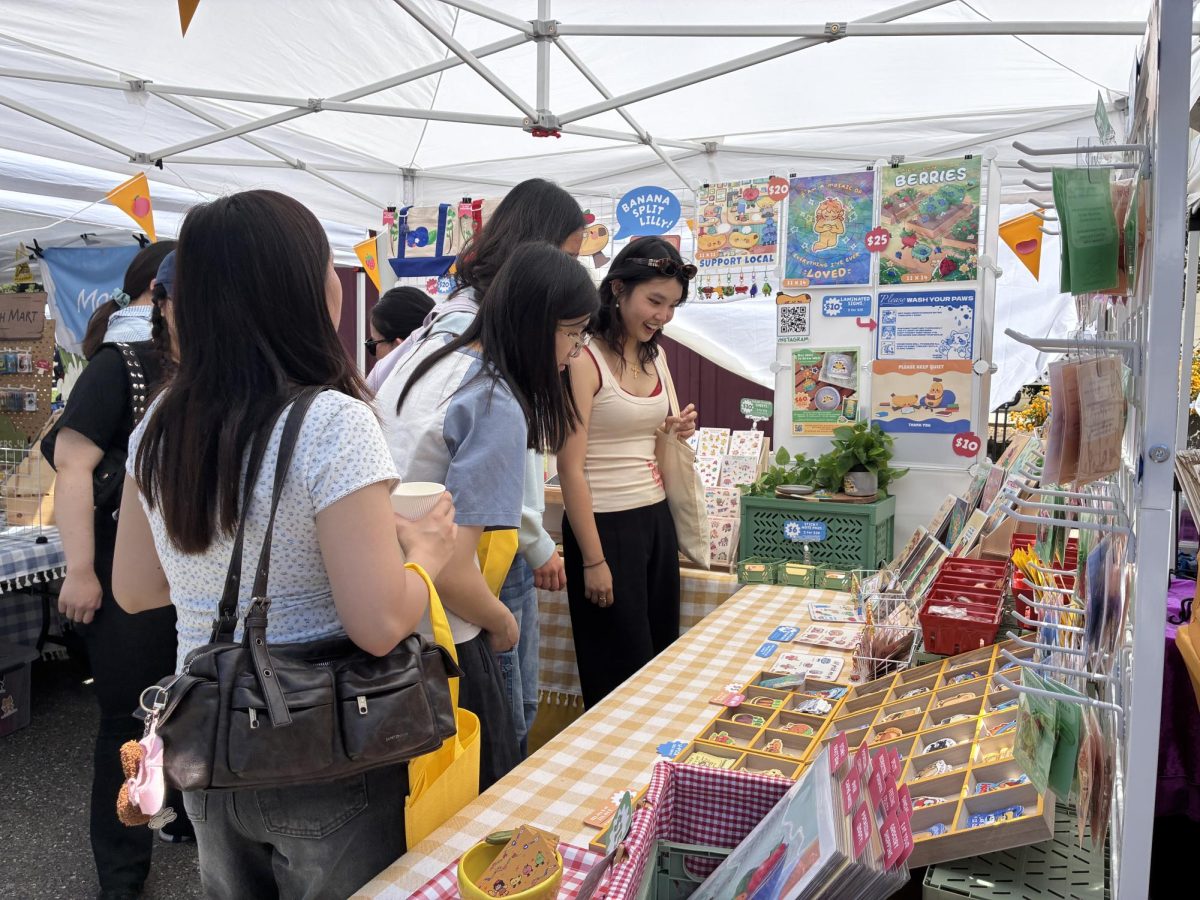



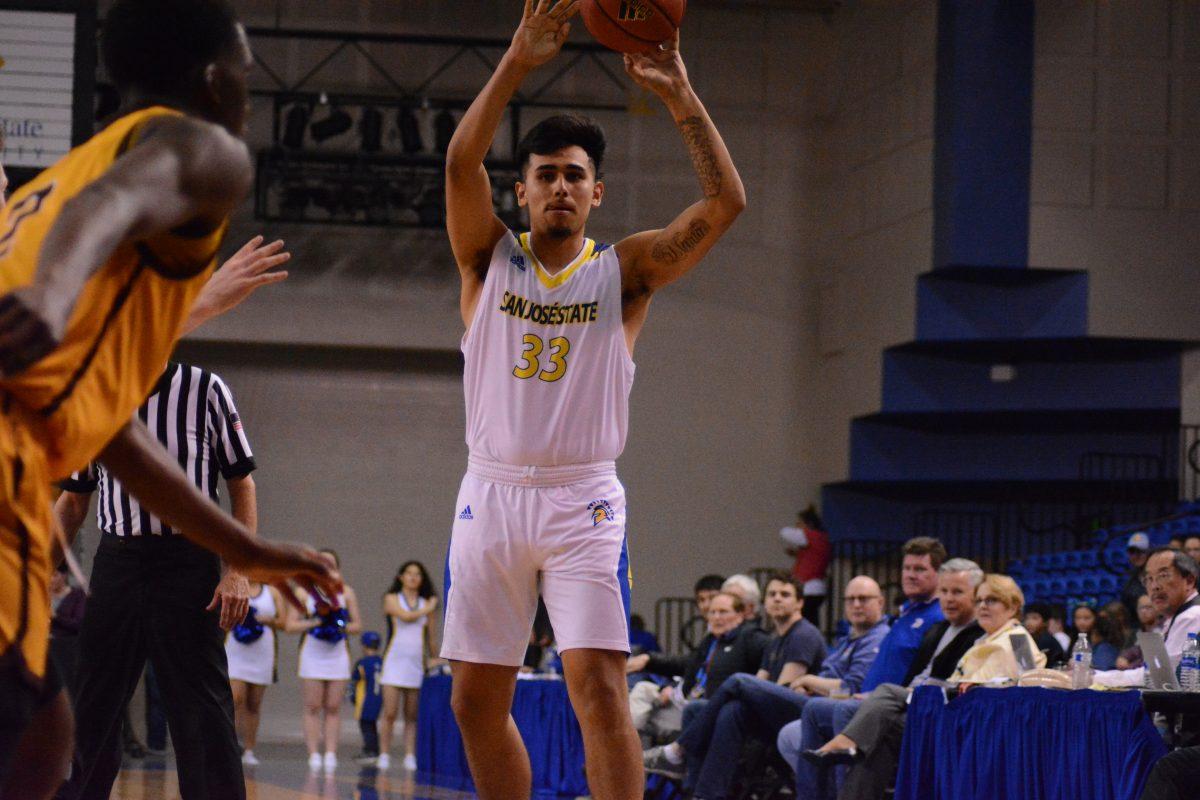
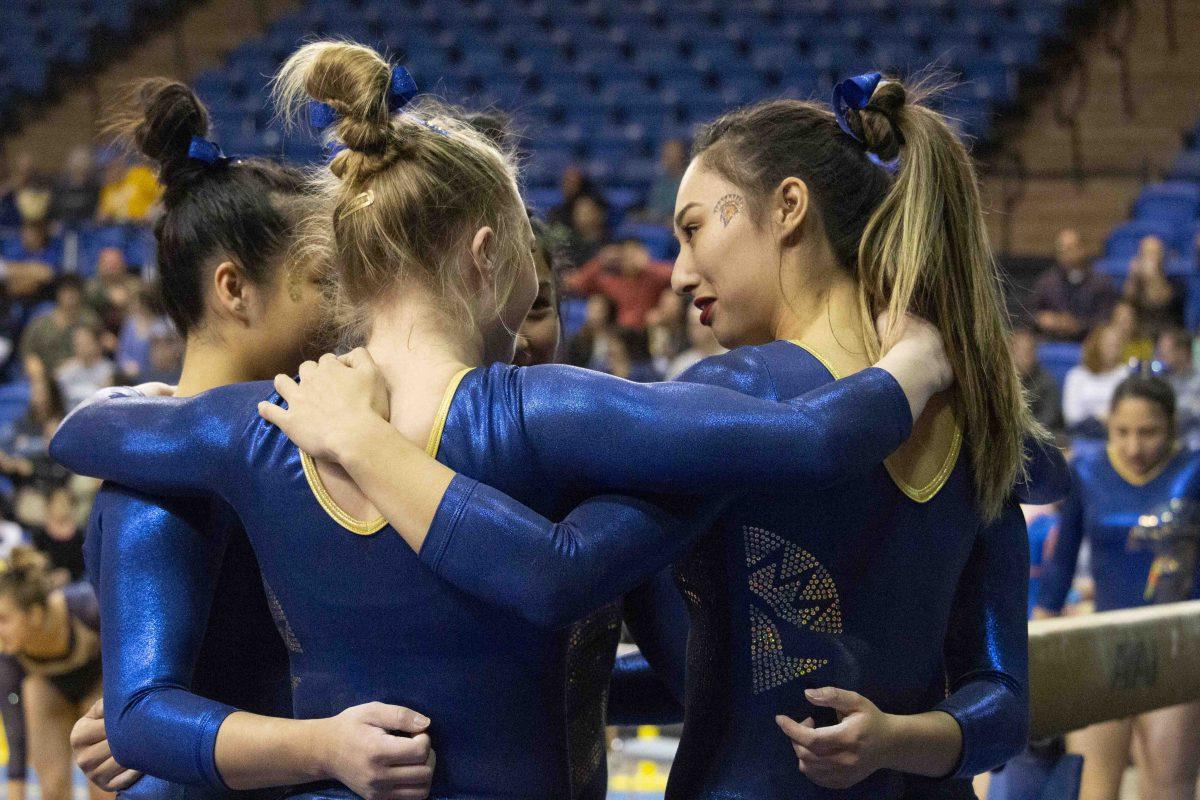


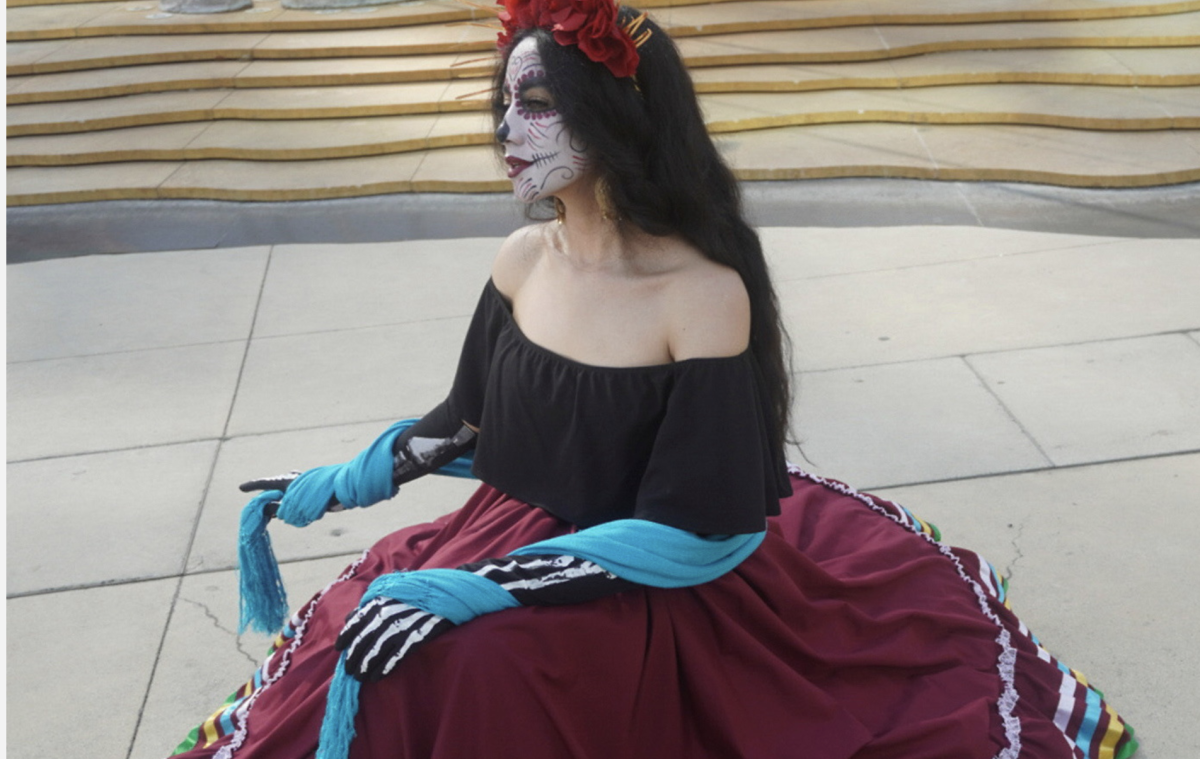
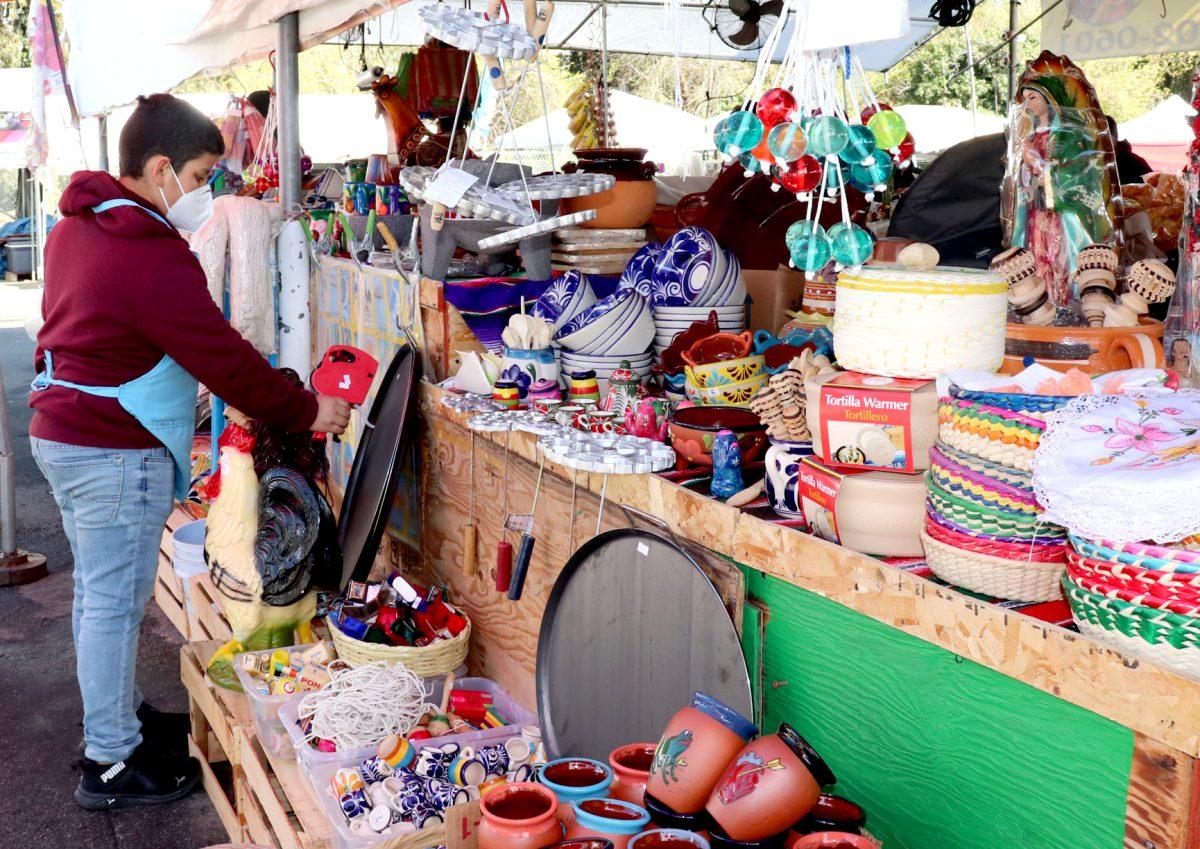

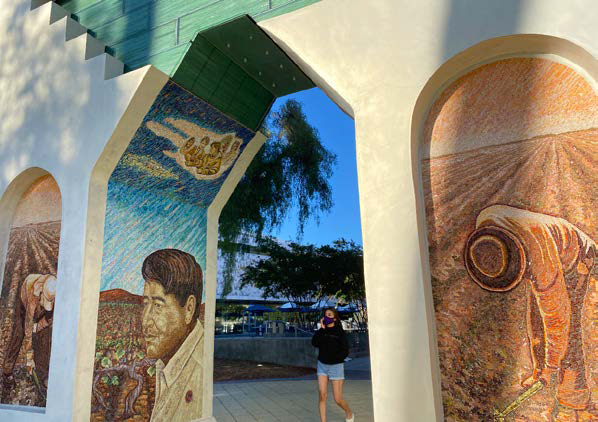

Little Saigon, Little Italy, Little Portugal, Japantown and Mayfair are only some of the cultural districts and neighborhoods that make up the city of San José.
Despite being in Silicon Valley, the “tech capital of the world,” technology isn’t what truly makes San José; it’s the vibrancy and culture people bring to the city.
In the heart of the city is San José State, a public institution that is home to cultural and religious organizations such as the Pacific Islander Student Association, the Vietnamese Student Association, Black Student Union and about 50 others.
However, it seems that SJSU and the city still have a lot of work to do to foster a more inclusive environment.
Racist graffiti threatening violence against minority groups is constantly being written on SJSU bathroom stalls.
In February, a Sikh student at SJSU was assaulted, had his turban ripped off and was misidentified as “Hindu” by not only those directly responsible for the assault, but the school administration and president.
Despite these issues being addressed by the school, more work needs to be done for change to happen.
In the greater Bay Area, fear and tension increased in January and February because of threats from then-Secretary of Homeland Security Kristi Noem, saying that ICE will be “all over” the Super Bowl.
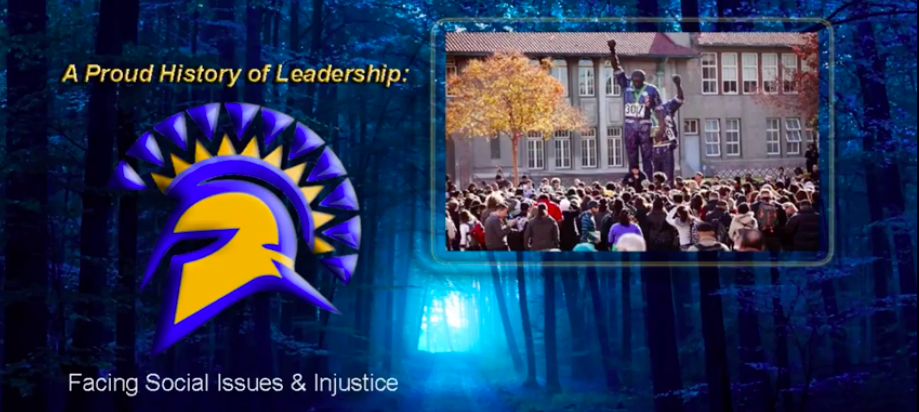
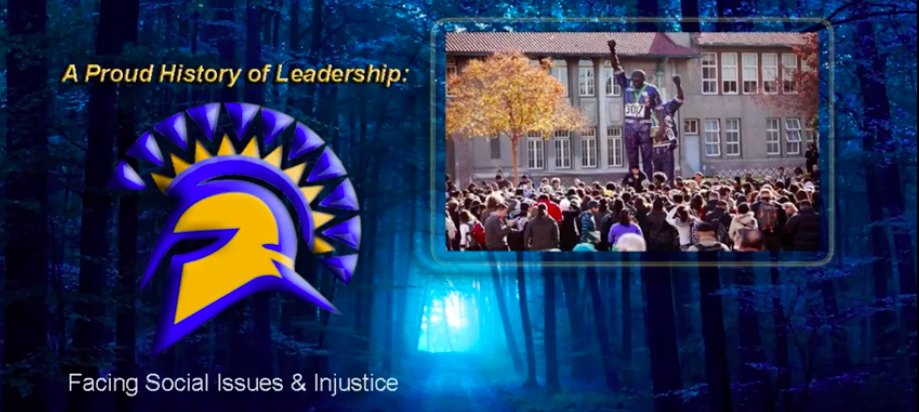
But in response to these issues, students at SJSU and community members throughout the Bay Area continue to resist and fight for their rights.
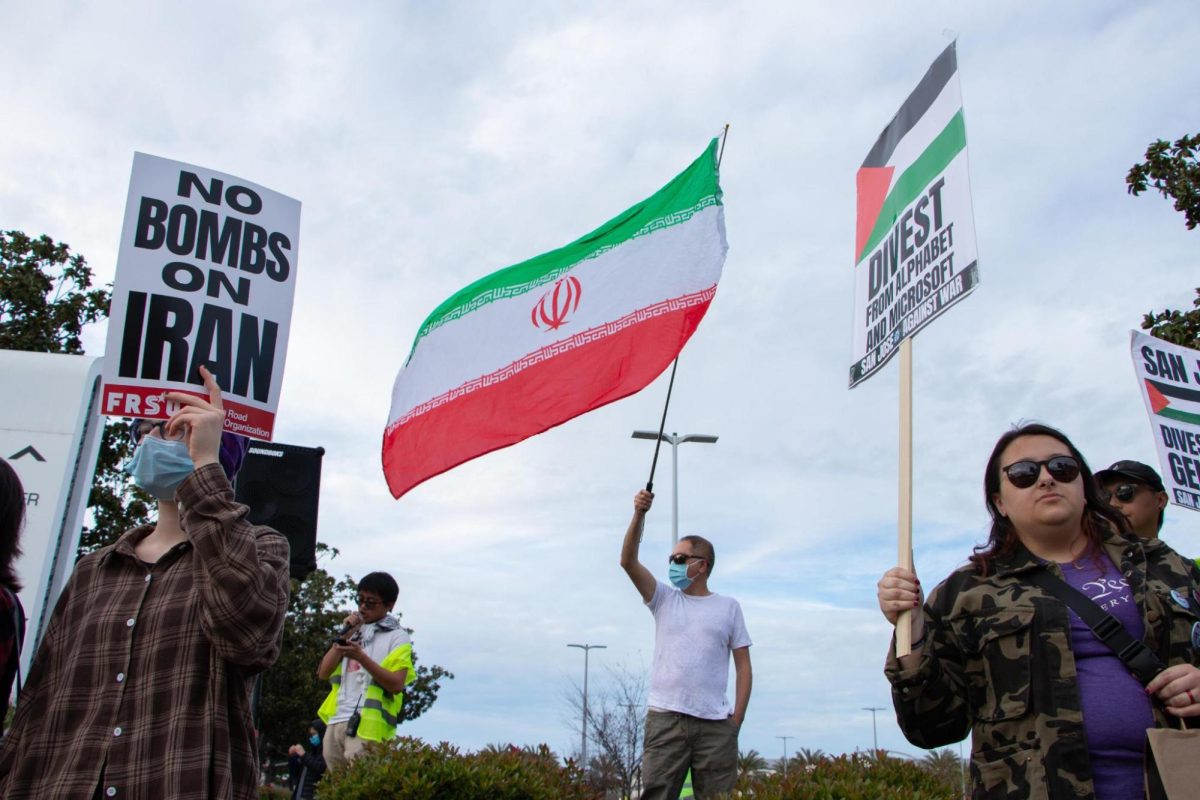
Protests frequently happen on SJSU’s campus against issues including ICE, the Trump administration’s military action on Iran, Venezuela, Cuba, Palestine and the university’s ties with companies such as Lockheed Martin.
The Spartan Daily chose the theme of “Cultural Diversity in San José” because we wish to address local issues and provide a platform that documents and presents what diverse communities have to offer.
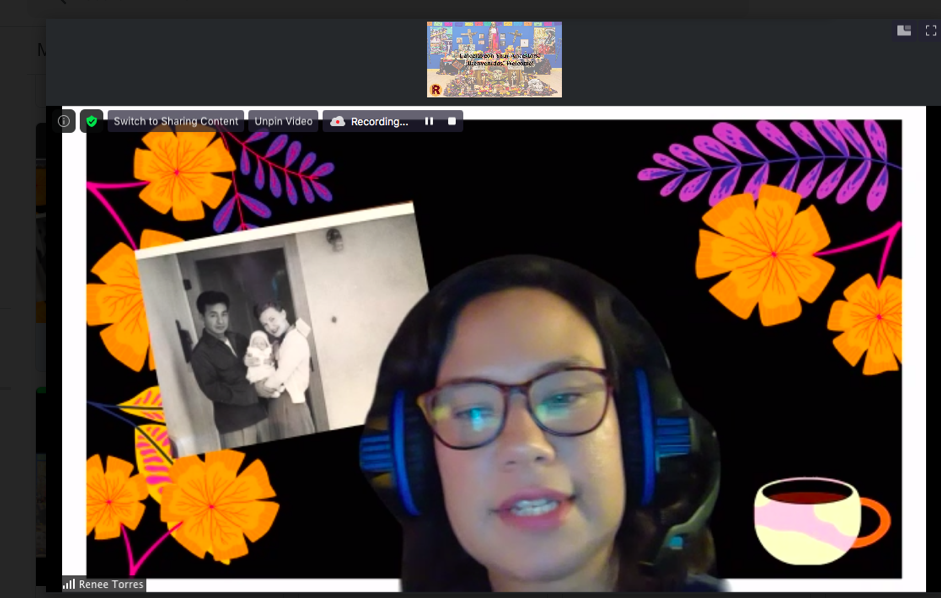
In times of uncertainty, the Spartan Daily wishes to celebrate what different cultures give to the community, including art, food, traditions and music.
Although the Spartan Daily cannot possibly cover everything, we hope this is a start. We encourage all those who feel that certain groups on and around campus are underrepresented, including in this Special Issue, to reach out.