










I’m probably not what you’d imagine a deaf person to be; I don’t wear hearing aids, I don’t communicate in sign language and for the most part, I can hear what you say.
But my world is still quieter than yours – I’m half deaf.
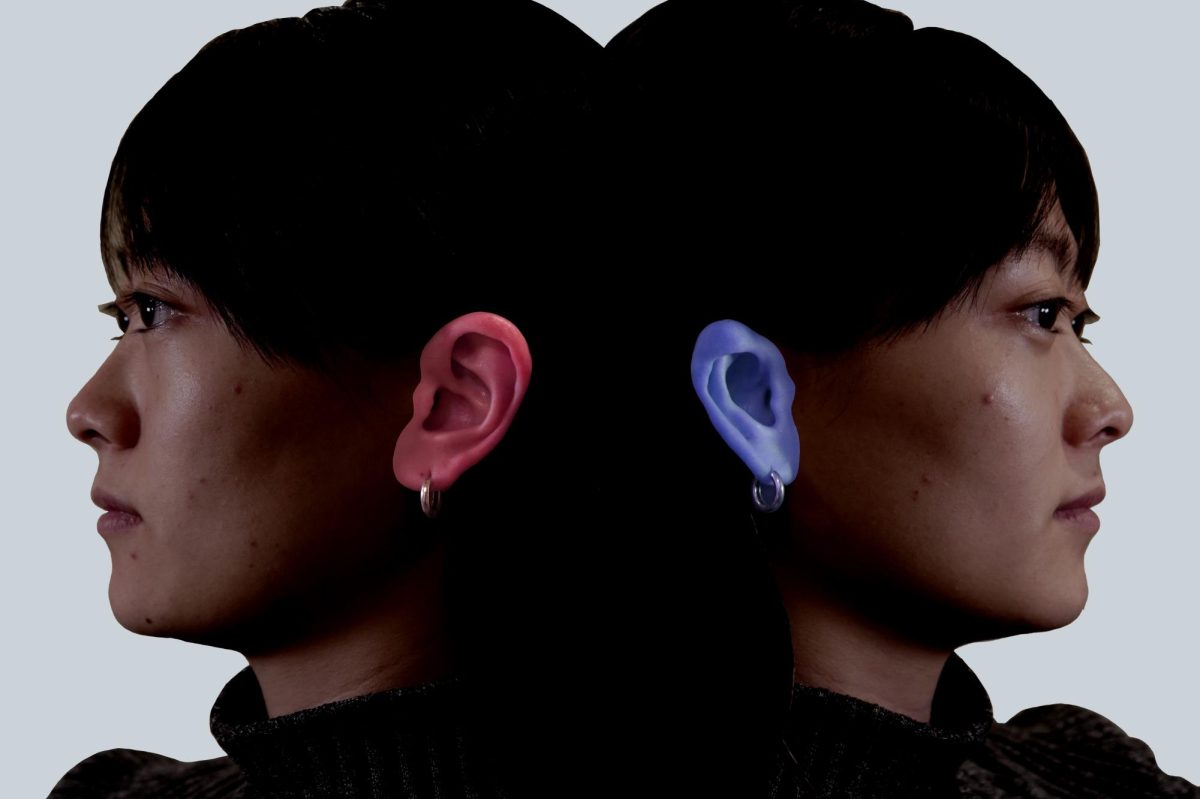
I was born with a congenital deformity in my right ear that makes it virtually incapable of conducting sound. It’s also physically smaller than my other ear.
This birth defect is called microtia, a word that comes from the Latin words for little, “micro” and ear, “otia” – “little ear,” according to the Stanford Ear Institute.
I was fortunate enough to have been born with the least severe version of it; more extreme cases can result in just a small nub of skin or even complete absence of the ear and ear canal, according to The Microtia and Atresia Clinic at Vanderbilt University.
My external ear is small but has mostly normal anatomy making it an unobvious and – dare I say – inconvenient disability.
I can only hear about half as well as most people but it’s not enough to make others think twice about whether I am deaf.
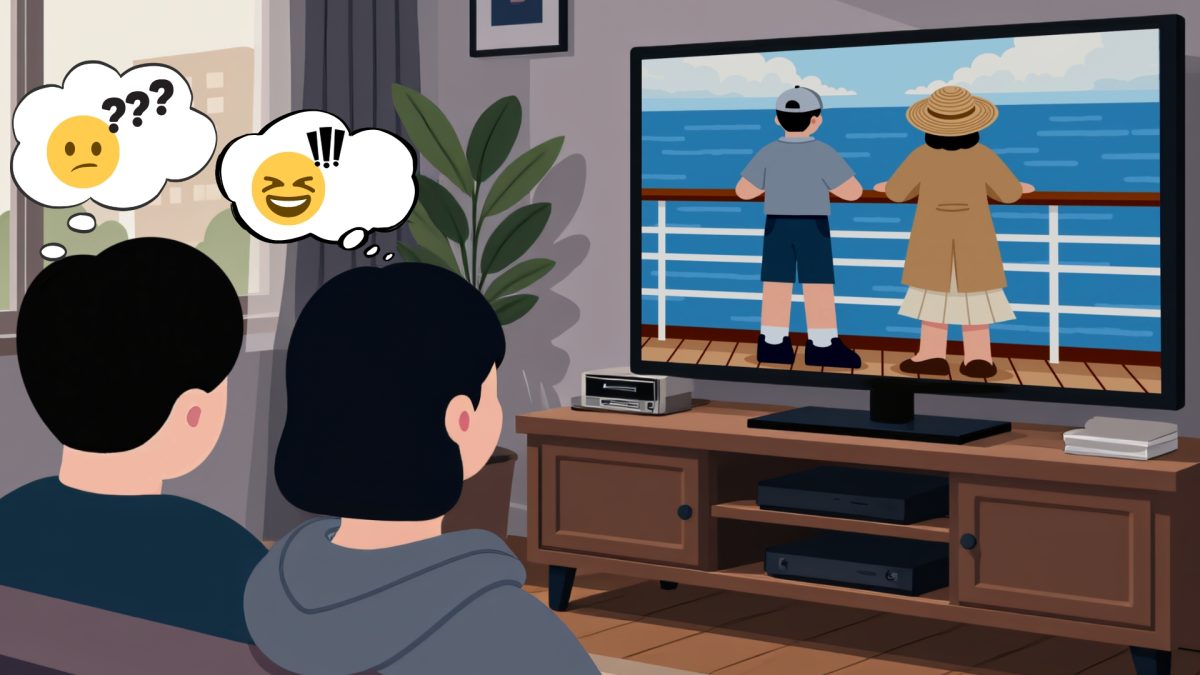
If I mishear what people say, they think I’m not paying enough attention. If I read their lips, they think they’ve got food stuck in their teeth. And worst of all: if I don’t respond, they think I’m ignoring them.
Microtia is usually unilateral and right-sided, often creating a noticeable craniofacial asymmetry, according to a March 2024 StatPearls research article.
It’s also extremely rare, occurring somewhere between 1.8 to 3.5 times per ten thousand births in the United States, according to the same source.
In contrast, bilateral congenital hearing loss or hearing loss present in both ears occurs around 1.3 times per one thousand births, according to the National Library of Medicine.
That makes bilateral deafness around seven times more common than microtia.
I’ve never in my 23 years of life, across three countries and eight cities, met another person with the same condition as me.
I’ve met bilaterally deaf or hard of hearing people – usually older – but never another microtian.
This makes for a somewhat lonely experience because I’m not completely deaf or hearing but somewhere in between.
Explaining this to bilateral hearing people can sometimes cause confusion, incredulity and even anger.
In fifth grade, my teacher got into a huge fit about my repeatedly “ignoring” her when she called my name. I was confused as you can imagine because I hadn’t heard my name called even once.
All of a sudden, my teacher was yelling at me and my classmates were looking at me with bemusement.
I felt guilty of something, I just wasn’t sure what.
Later that night, my mom sent my teacher an email explaining my condition. But she wasn’t convinced.
My teacher insisted I could hear perfectly fine, that my nonresponse was a willful act of insubordination and this “half deaf” business was some elaborate excuse for blatant misbehavior.
My mom sent me to the audiologist and had them produce documentation for my disability. After that, I became eligible to receive a Section 504 plan at school.
Section 504 of the Rehabilitation Act of 1973 is a civil rights law that protects disabled individuals from discrimination or exclusion from federally-funded activities and programs, according to a Cupertino Union School District webpage.
The Americans with Disabilities Act Amendments Act of 2008 was signed into law to expand the definition of “disability” to encompass a broad range of individuals, according to the U.S. Equal Employment Opportunity Commission.
This act made it easier for public school students like myself to qualify for Section 504 accommodations, such as preferential seating.
I was able to sit wherever was most conducive to my learning and not have to individually inform every teacher about my disability each school year.
I’m grateful for legislation like this and for the privilege of hearing at all.
My deafness is both a blessing and a curse, a constant inconvenience and a constant reminder of how fortunate I am, all things considered.
It’s made me a better student, a better observer and – most poignantly – a better listener.
I hope the hearing world can adapt to the hard of hearing just as hard of hearing people adapt to the world.
If I’m ignoring you, offer me the benefit of the doubt. If I don’t catch what you’ve just said, take a few extra seconds to repeat it. If we’re walking side by side, let me walk on your right.
I encourage everybody to believe in people’s disabilities even if they’re not immediately apparent to you or don’t fit your idea of what a disability looks like.
There are all kinds of people out there with all kinds of idiosyncrasies you might never have imagined.