






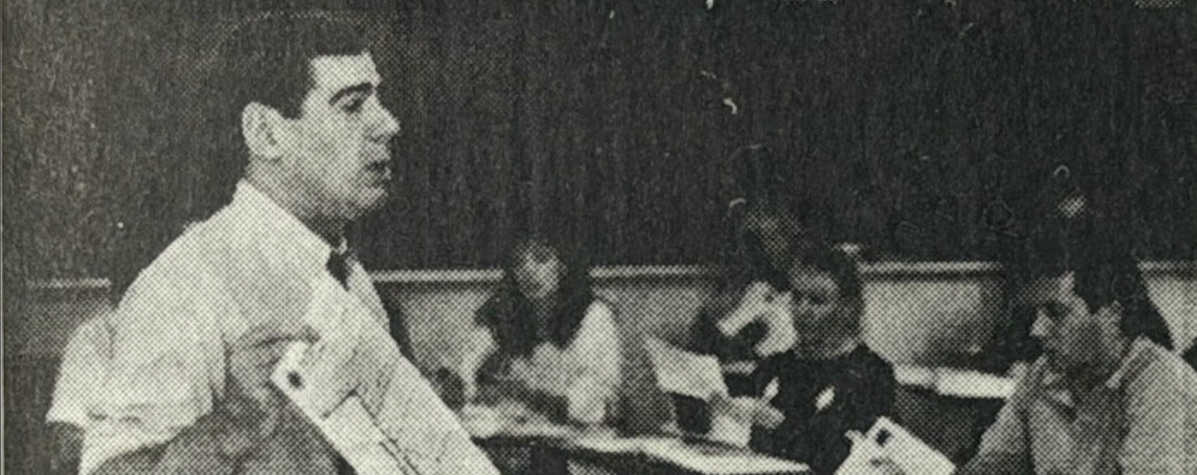
Rod Diridon Sr., widely recognized as the ”father of modern transit” in Santa Clara County, died April 3, 2026. He was 87.
Diridon attended San José State as a naval officer and a student of accounting, receiving a bachelor’s degree in that field in 1961, as well as a master’s of business analytics in statistics in 1963.
Diridon served two combat tours in the Vietnam War as a naval officer and was eventually promoted to lieutenant.
He was elected as the youngest-ever member of Saratoga City Council in 1971, followed by serving on the Santa Clara County Board of Supervisors in 1974 and chairing the Metropolitan Transportation Commission.
He retired from public office in 1995, after completing six terms as chair of Santa Clara County Board of Supervisors and the Transit Board, according to the California Transit Association webpage.
A staunch environmentalist, he founded and served on the “Combating Global Warming through Sustainable Transportation Policy” research panel through the Transportation Research Board in 1996.
Until 2014, Diridon was the founding executive director of what became the Mineta Transportation Institute on campus, and he was an adjunct professor of decision theory and ethics at SJSU for more than 20 years.
The county honors his legacy by having its main train hub as San José Diridon Station, which was dedicated in his name in 1994.
Diridon played a central role in shaping the region’s modern transportation system, fostering the expansion of rail that transformed how residents move throughout Silicon Valley.
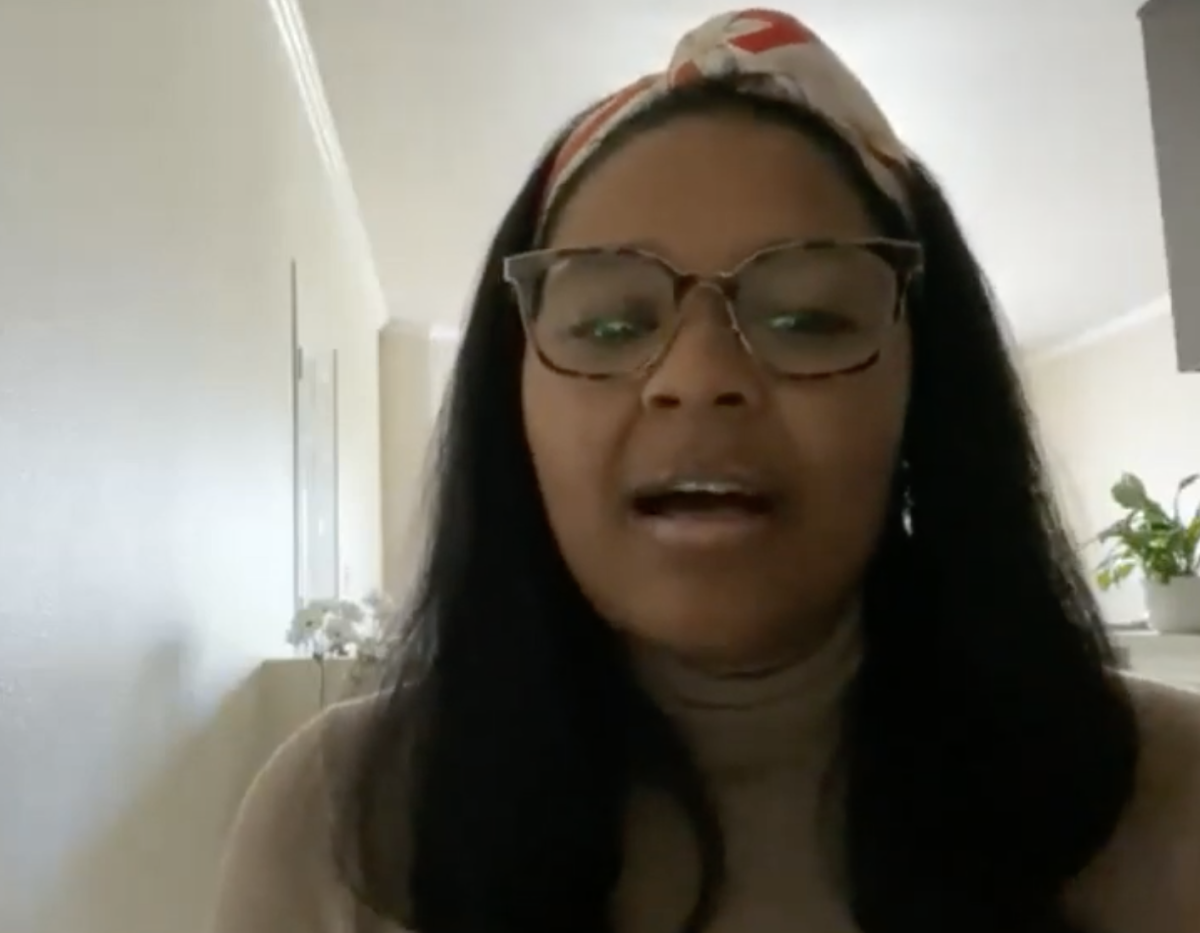
Caltrain Executive Director Michelle Bouchard said she personally knew Diridon for many years in her roles when working at the agency. She described Diridon as a driving force behind high speed rail for California, calling him one of its most persistent advocates.
“We have a very close connection with him, he has always been such a huge supporter of rail transit in general and specifically rail transit in the Bay Area,” Bouchard said.
A memory she’s most fond of is his attention to detail to transit infrastructure. Over the course of the last 10 years, the Diridon Station ceiling had fallen into disrepair, and Bouchard would receive calls from Diridon following up with her when repairs would begin on the ceiling.
“Finally just last year, we got the ceiling redone, and literally a week after, one of the first texts I got was from Rod, saying ‘The ceiling looks beautiful,’ ” Bouchard said. “So this is all to say that legacy is there.”
She said that the focus is to continue advancing development for the transportation center.
“BART will go there, Caltrain will go there, future high speed rail will go there and will also retain connections to VTA light rail, bus,” Bouchard said.
She said his dedication was evident not only in major projects, but also his deep attachment to his namesake station.
“There was nothing that wavered his advocacy for rail transportation and for high speed rail in particular,” Bouchard said.
Robert Raburn, BART director for District 4 and former San José State urban planning professor, said he had been in the same room with Diridon on several occasions.
“I have been honored to serve the public with Supervisor Rod Diridon on the Diridon Station Steering Committee,” Raburn said. “He will be missed.”
The Diridon Station Steering Committee voted on May 21, 2025 to rebuild the station with less-steep ramps and a pedestrian plaza, according to the Diridon Station webpage.
Raburn said Diridon and himself were members of rotary clubs.
Rotary is a global organization encouraging communities to make safer environmental changes in energy use, according to its website.
“I had always had a high regard for Rod because he was an environmentalist as well as a train proponent and he always wanted to see that the San José downtown become a hub for all the train systems, and that’s the direction that we are moving toward,” Raburn said.
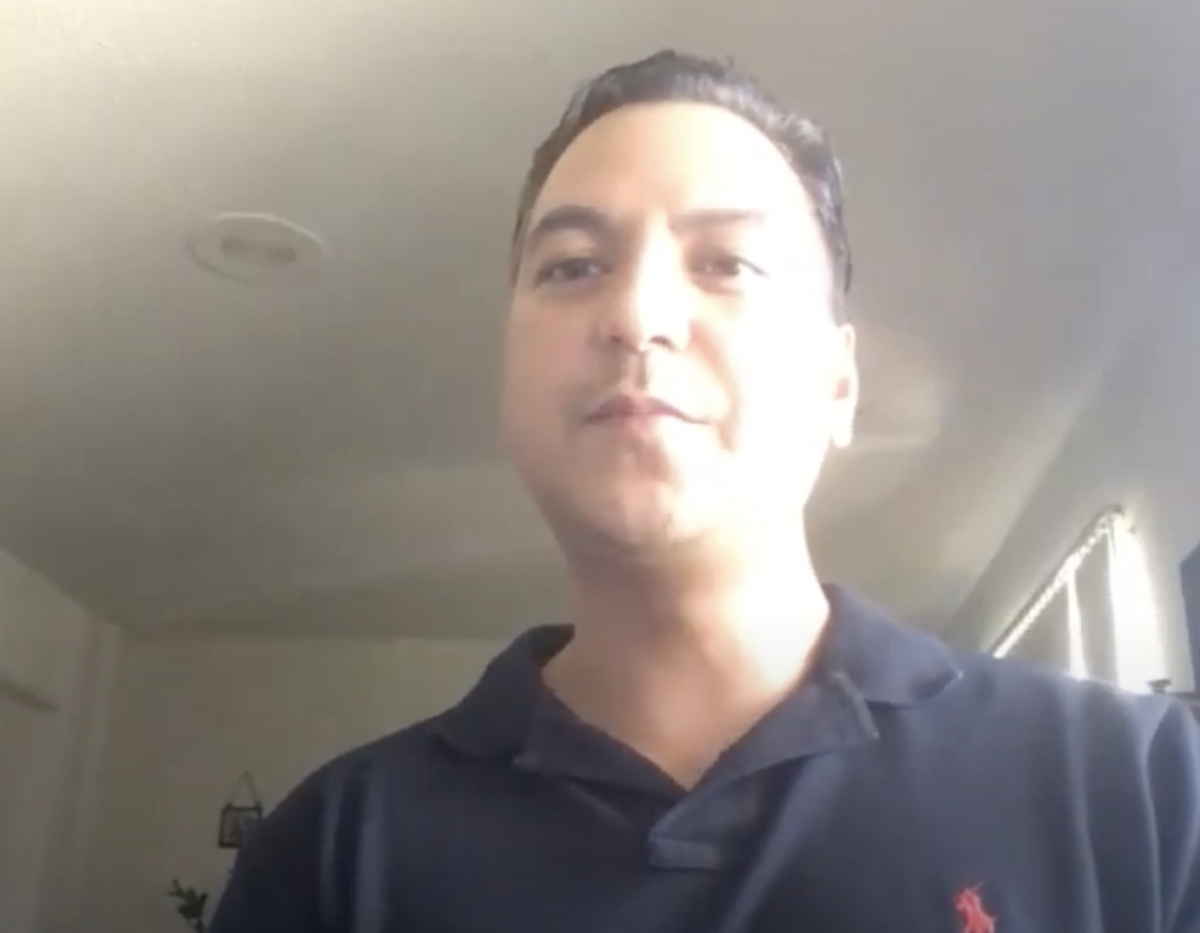
San José District 6 Councilmember Michael Mulcahy said he knew Diridon and spoke with him about the city’s vision for transit.
“Rod was absolutely integral to the Caltrain service in San José, and the thing I appreciated so much about Rod Diridon is he recognized that the work was never done,” Mulcahy said.
Though his passing marks the end of a transformative chapter in Bay Area transit history, the work is far from done.
When Mulcahy ran for District 6 office with an interest in the transportation systems, Diridon admitted to him that the work was far from complete.
“Our light rail system is part of a larger network that is incomplete,” Mulcahy said. ”Without all of the other pieces like BART, and like a bus system that works and like electrified rails that was efficient for our community, that the work would not be done, it wouldn’t live up to what the ultimate goal is, which is transportation that connects people and places.”