



















The San José State Facilities Development and Operations department removed several ground squirrel traps on Thursday, after a student raised concerns about squirrel safety.
On April 5, an anonymous source emailed the Spartan Daily photos of ground squirrel traps located behind a gated electrical box to the left of the Computer Center on campus.
Photos of the traps show they are Squirrelinators, a squirrel-specific trap sold by Rugged Ranch, according to a listing of the product on the brand’s website.
Maria O’Callaghan-Cassidy, senior associate vice president of facilities development and operations at SJSU, said in an email to the Spartan Daily that the traps have since been removed and they are currently working on a plan with the vendor to manage the squirrel population.
“The ground squirrel population has increased significantly at San José State University and has caused damage across campus,” the email reads. “When our exterminator arrived to inspect the situation, they placed traps without consulting senior management.”
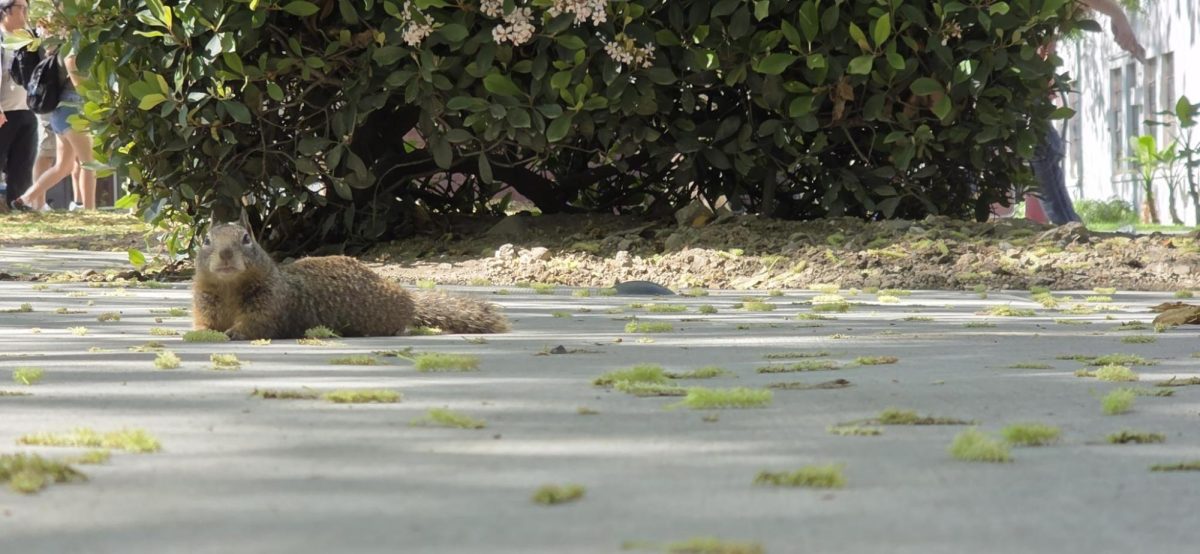
On any given day, San José State’s many lawns can often be full of ground squirrels, who have several burrowing tunnels specifically between Hugh Gillis Hall and Dudley Moorhead Hall and on Tower Hall North Lawn.
The traps were placed in an area with some of the highest squirrel activity, near the Computer Center, which faces Tower Lawn North.
Tisha Becker, a spokesperson for Rugged Ranch, said she has limited information about the situation, but confirmed the traps are ethically used.
“It is a humane trap, and we recommend always following local state laws,” Becker said.
The California ground squirrel is a common rodent around 10-inches long, with a bushy tail and brown fur. They live in colonies of up to 20 squirrels and burrow in underground tunnels, according to a University of California Agriculture and Natural Resources webpage.
These squirrels are responsible for damage to tree roots when burrowing and can contribute to soil erosion, according to the same source.
Ground squirrels have caused damage to the university in recent history, as in 2018, a campus-wide power outage was speculated to be caused by a ground squirrel chewing through insulation protecting electrical wiring, according to an Jan. 1, 2018, SFGATE article.
Despite this, ground squirrels hold sentimental value to members of the SJSU community.
The SJSU Squirrel Watch is a student-run Instagram account dedicated to posting photos of squirrels on campus that has reached almost 850 followers. The account has been inactive as of May 2025, because of the student admins graduating, according to the account’s Instagram.
Squirrels of SJSU is another inactive online community that was dedicated to posting campus squirrels, according to the group’s Facebook page.
While the campus squirrels are a part of campus culture, the university has discouraged students from interacting with them, as SJSU has released notices against feeding the squirrels on campus.
“Feeding wildlife, even with the best intentions, causes real harm to the animals,” an Aug. 22, 2025 SJSU Instagram post reads. “It also contributes to overpopulation, stressing the animals and our shared space, putting us at risk for costly infrastructure damage.”
The post also states feeding the squirrels is a violation of California Fish and Wildlife Code title 14, section 251 and that the University Police Department (UPD) would issue citations to those violating the code.
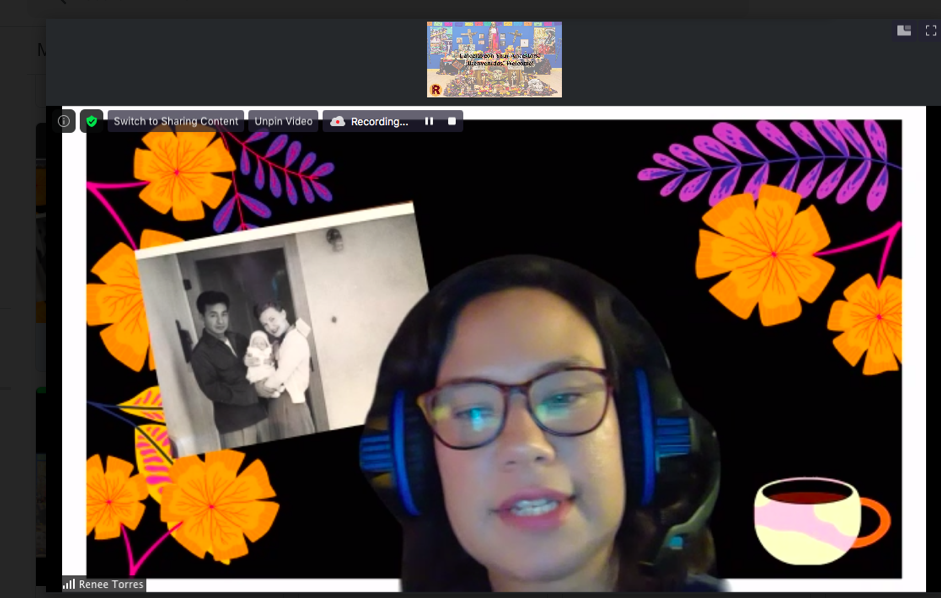
Jessica Castillo Vardaro, associate professor of biological sciences, said she has research published on the squirrel family.
“This is a pandemic project, and unlike any project I’ve done before,” Castillo Vardaro said in a virtual seminar about the project.
Castillo Vardaro’s co-authored research paper from January 2022, focuses on two non-native tree squirrel species – eastern grey squirrels and eastern fox squirrels – being introduced to the western United States.
Castillo Vardaro said that SJSU’s use of ground squirrel traps is unlikely to demolish the population.
“The SJSU campus is a very altered system already,” Castillo Vardaro said. “In a more natural area, removing ground squirrels could reduce habitat for species like the endangered California tiger salamander, but they’re already absent from highly urbanized areas. Also, ground squirrel populations can bounce back very quickly.”
Castillo Vardaro said trapping ground squirrels, while sad, is necessary and better for the environment than poison.
“Unfortunately, their populations can get very large and cause a lot of damage, making population control necessary,” Castillo Vardaro said. “Trapping them is more effort, but a better solution for control from an ecological perspective.”