






















The National Collegiate Athletic Association’s decision to cut B finals from swimming championships disgusts me.
It is deeply upsetting how many swimmers lost their chance at swimming in finals at the NCAA Swimming and Diving Championships, a dream for many, just to make swimming “easier” to watch.
In years past, the NCAA Championships have been formatted so that the top 16 swimmers advance to finals.
The morning session of the meet is prelims, and that is where everyone who qualified gets their chance to swim their event.
Then, the top 16 would advance and be split up into A and B finals. The B Final (Consolation Final) could place between ninth and 16th overall and score points for their team.
The A Final (Championship Final) competed for the National Title and placed between first and eighth overall.
Now, the Consolation final has been cut completely, meaning the only swimmers who have a chance to get a second swim are the top eight fastest swimmers in prelims.
This decision was an attempt to make the swimming and diving championships more broadcast-friendly by cutting down the length of the finals session, according to an article by SwimSwam.
It’s clear the NCAA’s priorities are the entertainment value of its athletes rather than their dedication to the sport.
As a collegiate swimmer, I would love it if more people watched swimming. And believe me, growing up in the swim world, you quickly understand how boring swim meets can be.
I have been dragging my family to hour-long, multi-session meets since I was a kid.
Most of the time, these meets consist of hours and hours of waiting just for the longest race to be less than two minutes.
So I try to sympathize with the idea that cutting down the finals session would lead to more people watching and swimming getting more national recognition.
But the truth is, I don’t think cutting the B finals is worth it.
I know firsthand what it’s like to barely miss a finals spot, every swimmer does, and it can be heartbreaking.
I can’t imagine being at a level where you’ve placed high enough to make it into NCAA B Finals, only to not get another swim because networks don’t want people to get bored.
It’s unbelievably degrading to reduce these athletes to entertainment value like this.
Athletes and fans seem to share my sentiment. A video of fans chanting “bring back Bs” went viral during the women’s championships.
And though I’m doubtful that it will have much impact on the NCAA’s decision, it warmed my heart.
The true fans are the ones in the stands anyway, the families and teammates of the athletes are the ones who know the most about the sport in the first place.
That is who the NCAA should be catering to.
In addition to fans booing and chanting, many swimmers have spoken out, including Stanford University’s swimmer and three-time Olympic-medalist Torri Huske.
In an interview with SwimSwam, Huske was clear about her feelings about the change, saying she was upset she didn’t get to watch her teammates swim again at night.
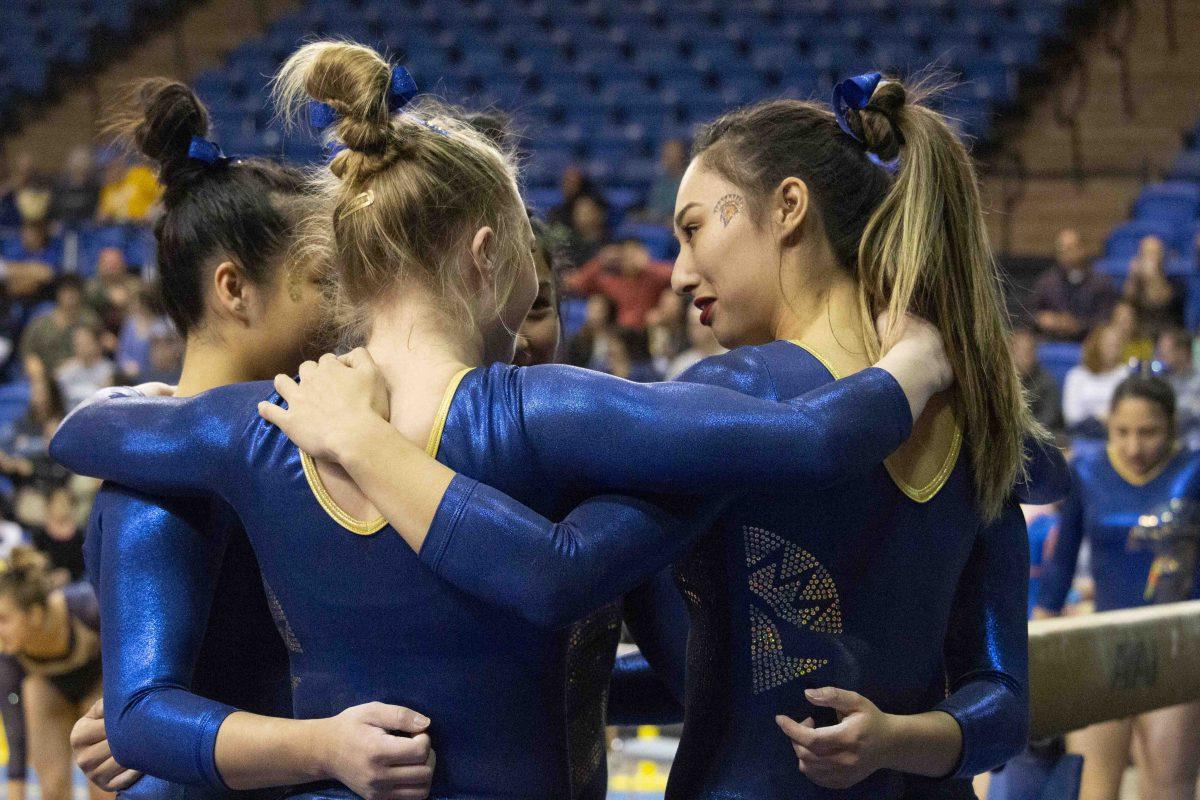
That experience alone is part of what makes swimming so much fun. There is nothing like cheering your teammates on in the biggest events of their lives.
The energy on the pool deck during finals sessions is intense, with every swimmer locked in on their teammates.
My favorite part of meets is screaming my heart out for my teammates and celebrating their big wins.
Cutting the B finals must have shifted that energy completely. Half the number of finalists means half the number of big moments to cheer for.
The shift in format may make the meet more TV-friendly, but it changes the experience for athletes and fans.
For the athletes finishing in the ninth-to-16th range, it changes what it means to score.
Scoring at NCAAs is a huge deal and it’s something athletes train tirelessly for.
Their big moment of scoring is diminished by the fact that they don’t get their final swim.
I hope the NCAA switches the format back and realizes that it isn’t just about how the meet runs, it’s also about what kind of championship experience it creates and the recognition these athletes deserve.