















EDITORS’ NOTE: This is an ongoing story and will be updated as more information is released.
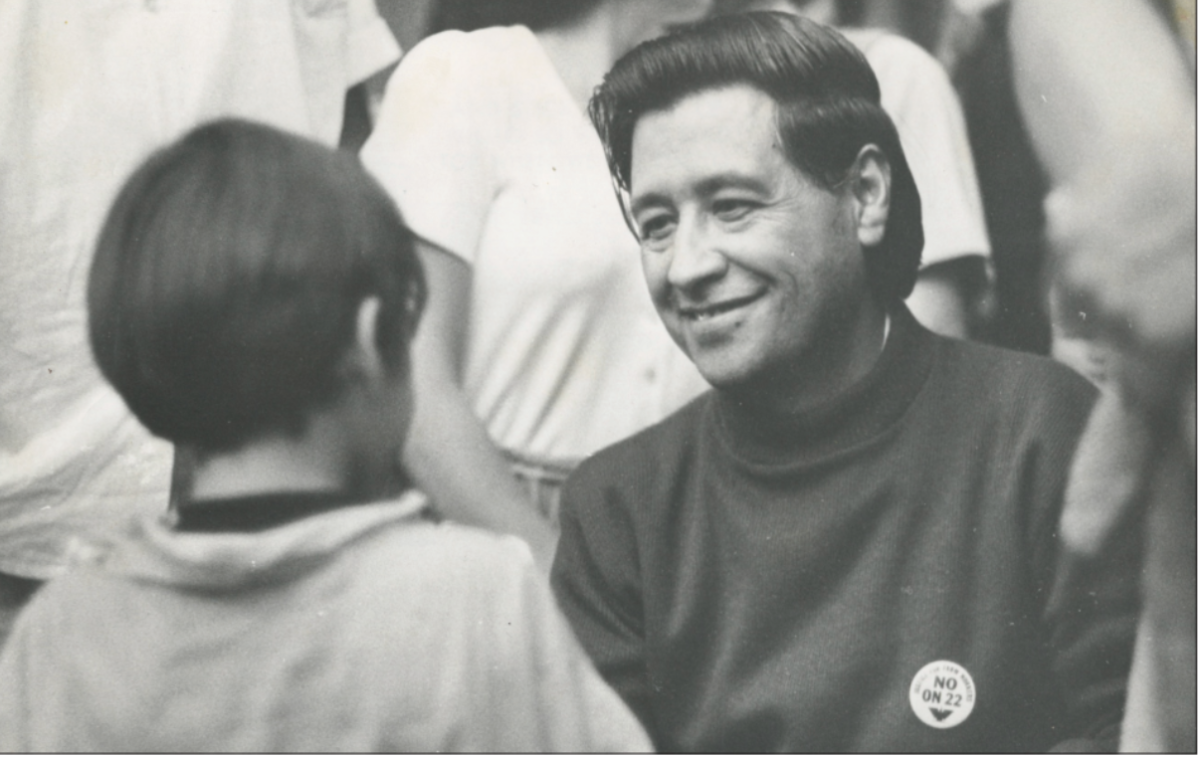
Recently, accusations have come to light against César Chávez, co-founder of the National Farm Workers Association and public figure for Latine civil rights, alleging that he sexually abused girls and women throughout the ‘60s and ‘70s.
Dolores Huerta, who worked alongside Chávez as a co-founder for the workers association, said in a statement that he raped her multiple times and would use his power to abuse women and children, according to a New York Times investigation released Wednesday morning.
“I am nearly 96 years old, and for the last 60 years have kept a secret because I believed that exposing the truth would hurt the farmworker movement I have spent my entire life fighting for … As a young mother in the 1960s, I experienced two separate sexual encounters with César,” Huerta’s statement said.
Monuments, streets, institutions and celebrations that are named and held in Chávez’s name throughout California – specifically in San José where he reportedly lived in the ‘50s – are now under review following the allegations, according to a Wednesday KRON4 article.
Huerta said both encounters led to two pregnancies that she kept secret, in which the children were taken into care by other families.
The New York Times investigation reported that many women who were sexually assaulted by Chávez did not report the incidents.
Rudolph Chávez Medina, a founding member of Chávez Family Vision, Inc., said in an email to the Spartan Daily that the Chávez family is devastated upon reading published information.
“We wish peace and healing to the survivors and commend their courage to come forward. As a family steeped in the values of equity and justice, we honor the voices of those who feel unheard and who report sexual abuse,” Medina wrote. “We ask for understanding and privacy as we continue to process this difficult information.”
Chávez Family Vision, Inc., is a San José-based organization led by Chávez’s family with the purpose of promoting advocacy and volunteerism, according to its website.
César Chávez is acknowledged for his advocacy for farm workers rights as a nonviolent leader, according to the César Chávez Foundation.
Chávez moved to San José in 1971 with his wife Helen Chávez before both passed away in 1993 and 2016, according to the Chávez Home National Park Service webpage.
The home they lived in was added to the National Register of Historic Places in 2011, according to the same webpage.
Campus Community Affected
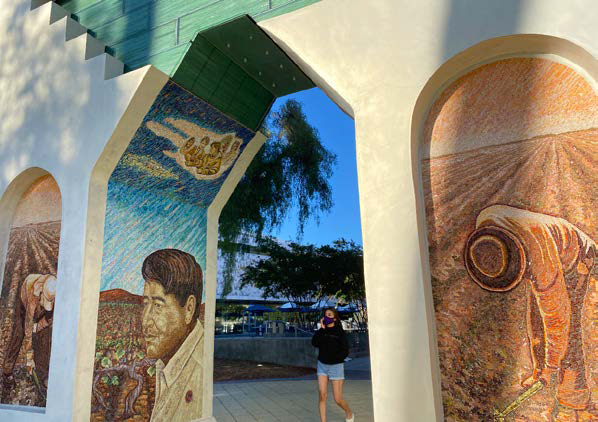
San José State has the César E. Chávez Community Action Center, the Arch of Dignity and CHI (Chávez, Huerta, Larry Itilong) month, all designed to honor his legacy.
The César E. Chávez Community Action Center released a statement in an Instagram post that while they do not have first-hand knowledge regarding the allegations, CHI month events will be put on pause while next steps are determined.
“In solidarity with our community and other organizations taking similar steps in this difficult moment, we are taking time to thoughtfully process this information … As we move forward with care and consideration, we are working closely with our team and campus partners to intentionally re-envision programming in ways that reflect and uphold our center’s values, while supporting the community we love…” the statement said.
Michelle Smith McDonald, senior director of strategic communications at San José State, said the university does not have a direct response at this time.
The California State University (CSU) system issued a statement acknowledging the allegations, alerting the community of its reviewing an appropriate course of action.
“… the CSU is firmly committed to fostering university environments centered on respect, integrity and the safety and dignity of all members of our campus communities … ,” the statement said.
San José City officials respond
On Wednesday, San José Mayor Matt Mahan issued a statement regarding the allegations against César Chávez.
“As the full scope of these allegations is investigated, we recognize that Chávez’s ties to San José come with a responsibility to ensure we are not further traumatizing survivors. We have cancelled City events associated with the state holiday and will identify ways to honor the legacy of the farmworker movement without celebrating individuals who caused such profound harm to the community,” Mahan said.
Legislators are making moves to rename César Chávez Day to Farmworkers Day, according to a March 19 article by The Guardian.
The statement also said Mahan will work with San José council members to review monuments and locations named after Chávez and try to find ways to honor the farmworker movement without directly celebrating him.
City council members released separate statements notifying the public of their initiatives to honor other names besides Chávez.
San José City District 3 Council Member Anthony Tordillos said in a statement published Wednesday that his office and others honor the courage of those that came forward.
“We honor the courage of Ana Murguia, Debra Rojas, Dolores Huerta, and all who have come forward – many of whom remained in the movement and continue to fight for working people,” the statement reads.
Tordillos said he is calling for the renaming of Downtown San José’s Plaza de César Chávez as well, which is located roughly a mile away from SJSU.
Numerous streets, buildings and places of gathering are named after Chávez in the Bay Area, Central Coast and Central Valley, according to an article published by CBS.
On Wednesday, District 5 Council Member Peter Ortiz, ¡Sí Se Puede! Collective, YWCA Golden Gate Silicon Valley and Next Door Solutions to Domestic Violence released a joint statement on Instagram announcing a press conference today.
The press conference will discuss transparency, accountability and next steps necessary to take regarding the allegations.
“We are heartbroken. We are outraged. And we are clear: what has been revealed is not acceptable,” the statement reads.
The press conference will take place at 4:30 p.m. at the Mexican Heritage Plaza Pavilion at 1700 Alum Rock Ave, located about two miles west of the SJSU campus.
“The Farm Workers Movement is bigger than any one individual. It transformed the Latino community by securing labor rights, improving living conditions for agricultural workers, and creating a pathway from powerlessness to collective voice. That history belongs to the community — and it must be held alongside truth and accountability,” the statement reads.