






The Washoe Tribe of Nevada and California bought back 10,274 acres of land from the city of Santa Clara on Feb 10. The tribe members had not owned the land since being forcibly removed during the Gold Rush.
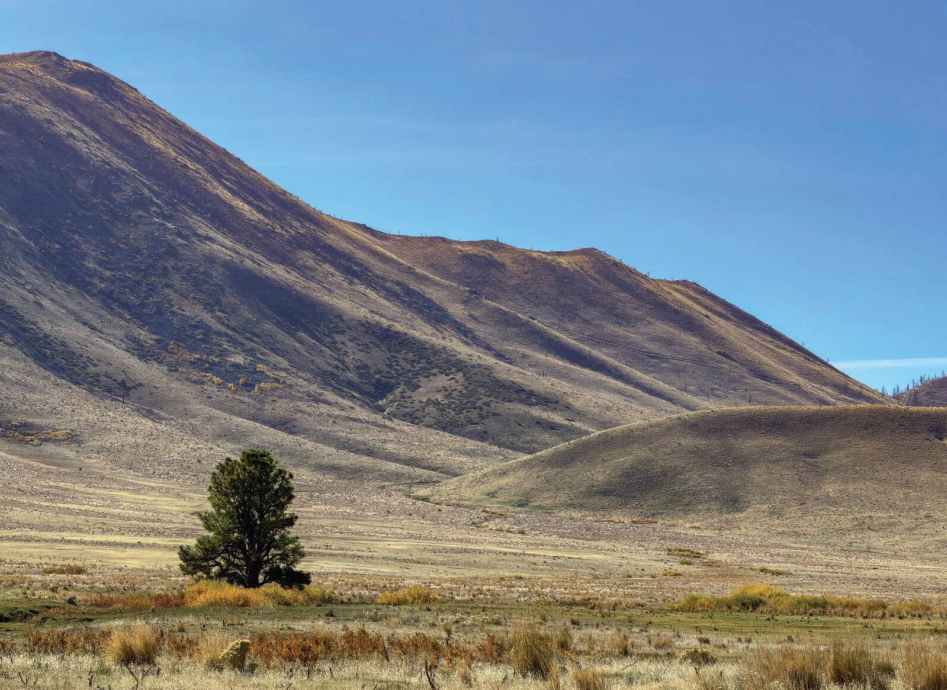
Formerly known as Loyalton Ranch, the WélmeltiɁ Preserve is located at the eastern edge of the Sierra Valley near Loyalton (53 miles north of Lake Tahoe). It is now owned by the Waší·šiw Land Trust and returned to Washoe care, according to a Feather River Land Trust webpage.
It was originally bought by the City of Santa Clara to explore geothermal energy sources that were never developed, later listing the property for sale in 2023, according to the same source.
The deal was supplemented by a California Wildlife Conservation Board grant of $5.5 million, according to a Nov. 21, 2025 article published by the State of California Department of Fish and Wildlife.
This marks the third largest tribal land return in California history, according to a Feb. 11 article by the San Francisco Chronicle.
The land will be kept as native homelands and land to protect rare and threatened wildlife species that are now under the Washoe people’s care, according to the Feather River Land Trust webpage.
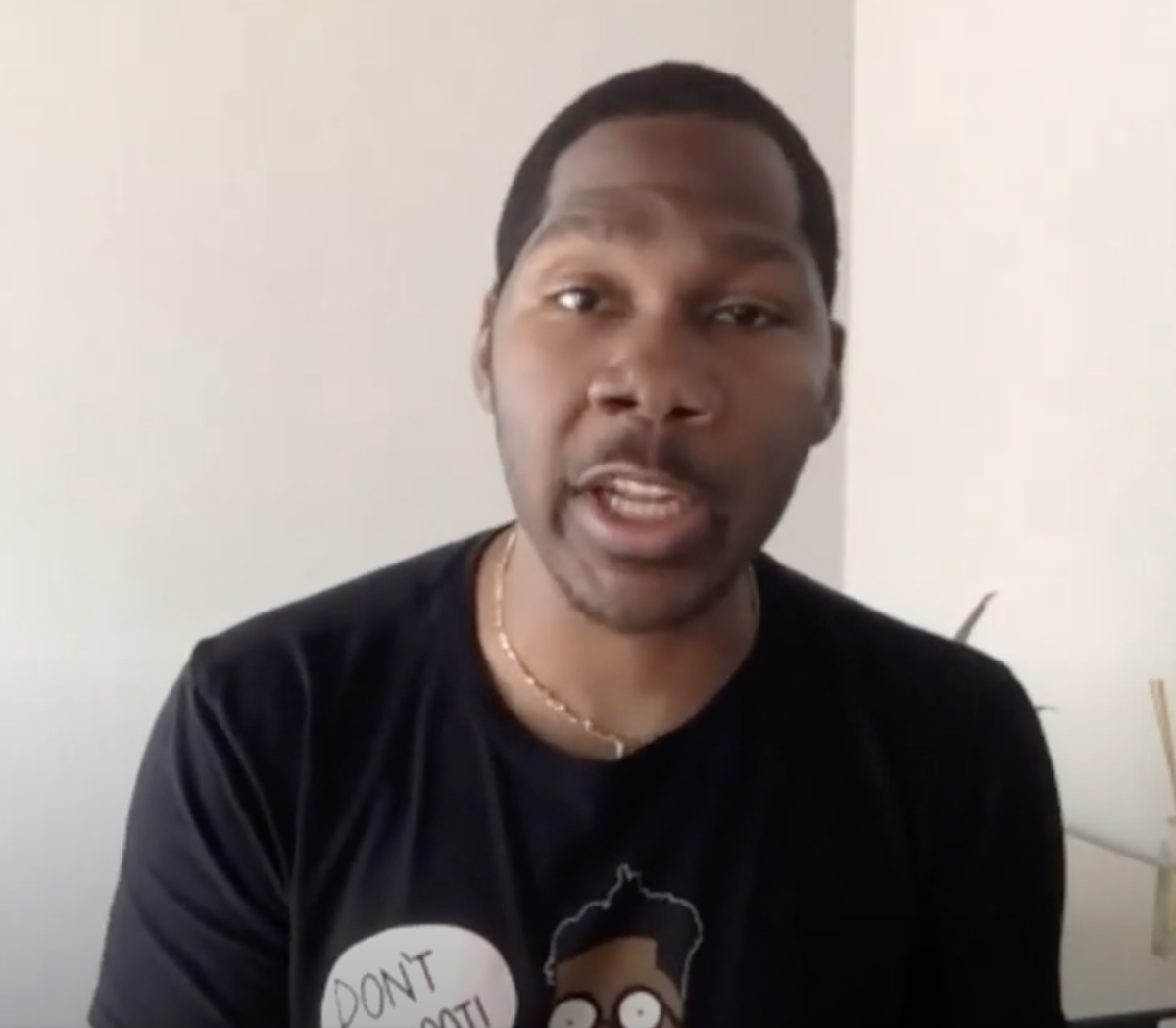
Benjamin “Benny” Fillmore, a Washoe Warrior Society member, said that this deal has been in the works for about four years now.
“It’s just so exciting,” Fillmore said. “The land up there is just beautiful.”
The Washoe Warrior Society or Washiw Zulshish Goom Tahn-Nu is a grassroots non-profit organization of mostly elders and other Wášiw community members committed to encouraging leadership and healthy lifestyles for the Washoe people, according to its website.
The Washoe people’s homeland spanned from south of Lake Tahoe, north of Honey Lake and west of the Sierra Crest, and during the Gold Rush and later the Silver Rush, the Washoe people were violently removed from their land, according to the Feather River Land Trust website.
“Lake Tahoe is the center of our little universe,” Fillmore said. “We haven’t been allowed back since first contact.”
Under Washoe care once more, the land will have a chance to recover from years of neglect, and with spring around the corner, the tribe plans to take its children, elders and language to the land to celebrate with dance and ceremony, according to Fillmore.
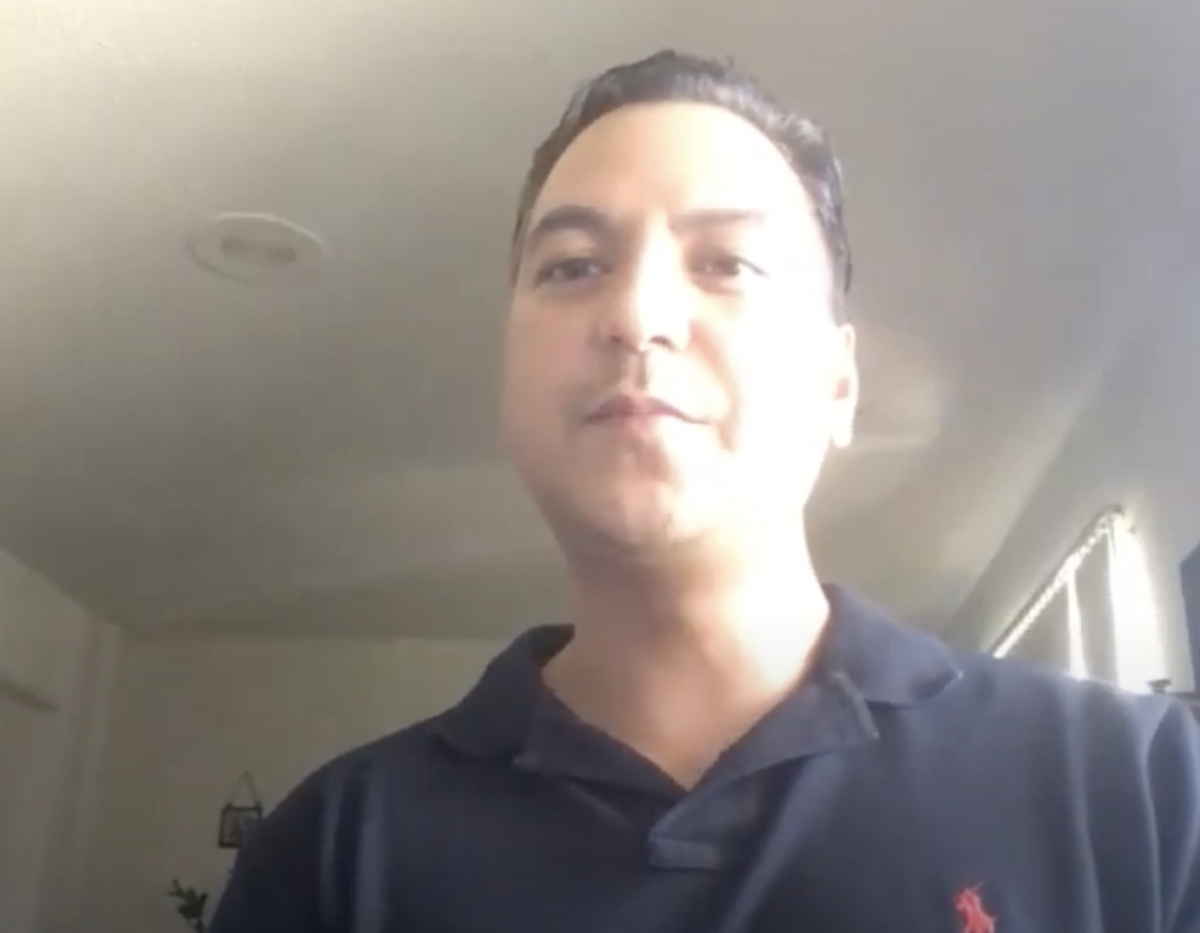
Kerri J. Malloy, an assistant professor of Native American and Indigenous Studies at San José State, said many conservation groups view tribes as essential leaders in protecting land.
“When land returns require tribes to fundraise to purchase what was taken, the story is not only about celebration,” Malloy said. “It is also about the persistence of a system that still puts the burden of repair on the harmed community.”
Fillmore said the lands and waters have endured years of being overcut, overgrazed and overfished, and that now it is time for the Washoe people to be able to take care of the land in a “good way.”
“Tribal stewardship is not only a justice issue, it is a practical pathway for long-term ecological care,” Malloy said.
Among plans of celebration, dance and ceremony, tribe members plan to keep the land as pristine as they can, and will start a nursery to grow culturally sensitive plants and medicines again as well as bring back many of the native foods like máluŋ (acorns), according to Fillmore.
“We aren’t stewards,” Fillmore said. “There is no separating the land from us or us from the land.”
Fillmore said the Washoe people have been getting responses from all over the country and places as far as Mongolia.
This effect carries to students at SJSU as well.
“When land returns happen, students can point to tangible evidence that Native nations are present, governing and shaping the future,” Malloy said.
Abel R. Gomez, assistant professor of Native American and Indigenous Studies at SJSU, said this sale is part of a larger movement of “land back” sales that have happened over the years and it has garnered attention worldwide.
Gomez said #LandBack has been around since about 2010.
“Many Indigenous people speak about their identity being relational and one of those relationships is to their ancestral homeland,” Gomez said. “Many talk about not just being from a place, but being of that place.”
The #LandBack movement is an Indigenous-led movement with the goal of returning ancestral land to Indigenous people and restoring ownership over those territories, according to a Jan. 8, 2024 article by KQED.
The movement has helped reconnect Indigenous people to their homeland, allowing them to fully embrace their languages, ceremonies and food systems, according to the same source.
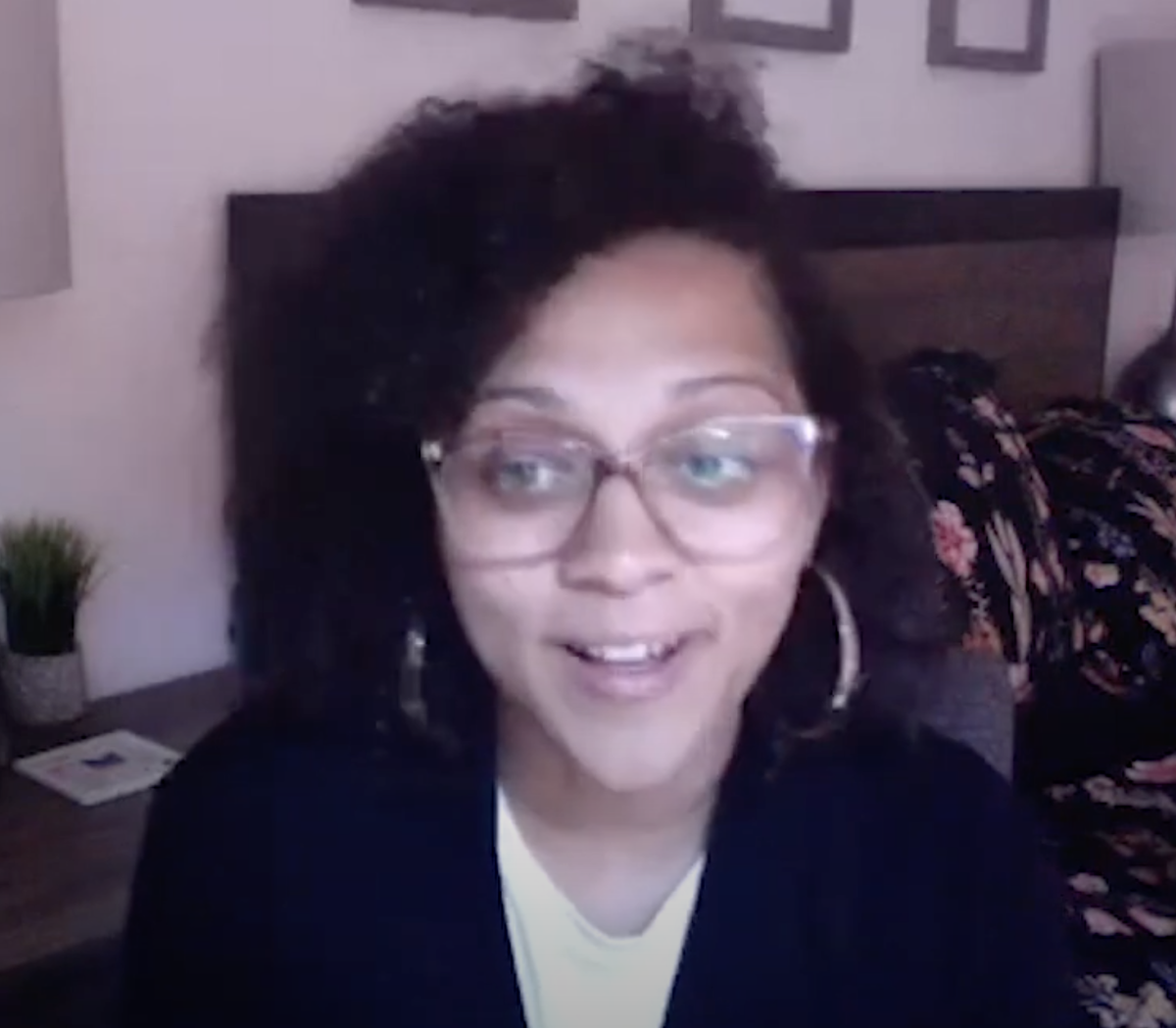
Veneice Guillory-Lacy, an assistant professor of counseling education at SJSU, said the fact the Washoe tribe had to buy land back that was originally it’s in the first place is unjust.
“It’s important to acknowledge the painful reality of tribes that have to purchase back land that was originally theirs,” Guillory-Lacy said. “The return of the land to Indigenous communities definitely carries deep historical and cultural, and oftentimes spiritual meaning.”
Guillory-Lacy said she has seen the larger movement of land back affect her own tribe, the Nez Perce tribe of Idaho.
“It was monumental,” Guillory-Lacy said, “I hope one day that we don’t have to use our own money to buy what was already ours back.”
One of the first substantial “landback” movements started in the Bay Area in the late 1960s when a proposed freeway would have cut through the Ohlone Cemetery at Mission San José, according to a National Park Service historical report.
A group of Ohlone tribe members worked with the American Indian Historical Society and protected their graveyards and prevented the freeway from being built through the tribal land and later the group gained the title to the cemetery in 1971, according to the same report.
Gomez said that a young Muwekma Ohlone man had once told him “our religion is not portable.”
He also said the man went on to explain that the tribes’ ceremonies, songs and languages are all connected to particular places.
“I think that if we understand that, we can understand the level of hurt and pain that emerges when people have been forcibly displaced,” Gomez said. “So many native people talk about it as a soul wound.”
He said that non-native people confronting the Native American history of pain – rather than distancing from it – is what makes land back movements possible.
California natives have had a very violent past including a state-sanctioned genocide, as between 1846 and 1873, California’s Indian population went from about 150,000 to 30,000, according to Benjamin Madley’s book “An American Genocide: The United States and California Indian Catastrophe.”
“It’s hard to see genocide still going on,” Fillmore said. “As people who have a history of genocide it is painful for the Washoe people to watch other peoples be starved and killed. We’ve been there.”
The Washoe tribe is still recovering from the violence of its past.
“We are only as strong as the land we live on; the land is only as strong as us Washoe people are,” Fillmore said. “Right now, both are weak.”
Fillmore said as the land suffers from years of mistreatment and being “used as a dump,” the Washoe people deal with issues like drug and alcohol addictions and diabetes.
Health inequities in American Indians are partly caused by unequal access to resources and prejudice, such as systemic racism and discrimination and the experiences of generational trauma, according to an article published by the National Library of Medicine.
Fillmore said the sale has come with newfound hope for the tribe.
“Everything we do, we try to do for our children,” Fillmore said. “The land has been calling us back.”