










In a rapidly changing world where politics often feel more like a battleground than a democracy, an increasing number of young men are voting Republican. In an era where women no longer need men to survive, it feels like men are desperately clinging to a sense of purpose.
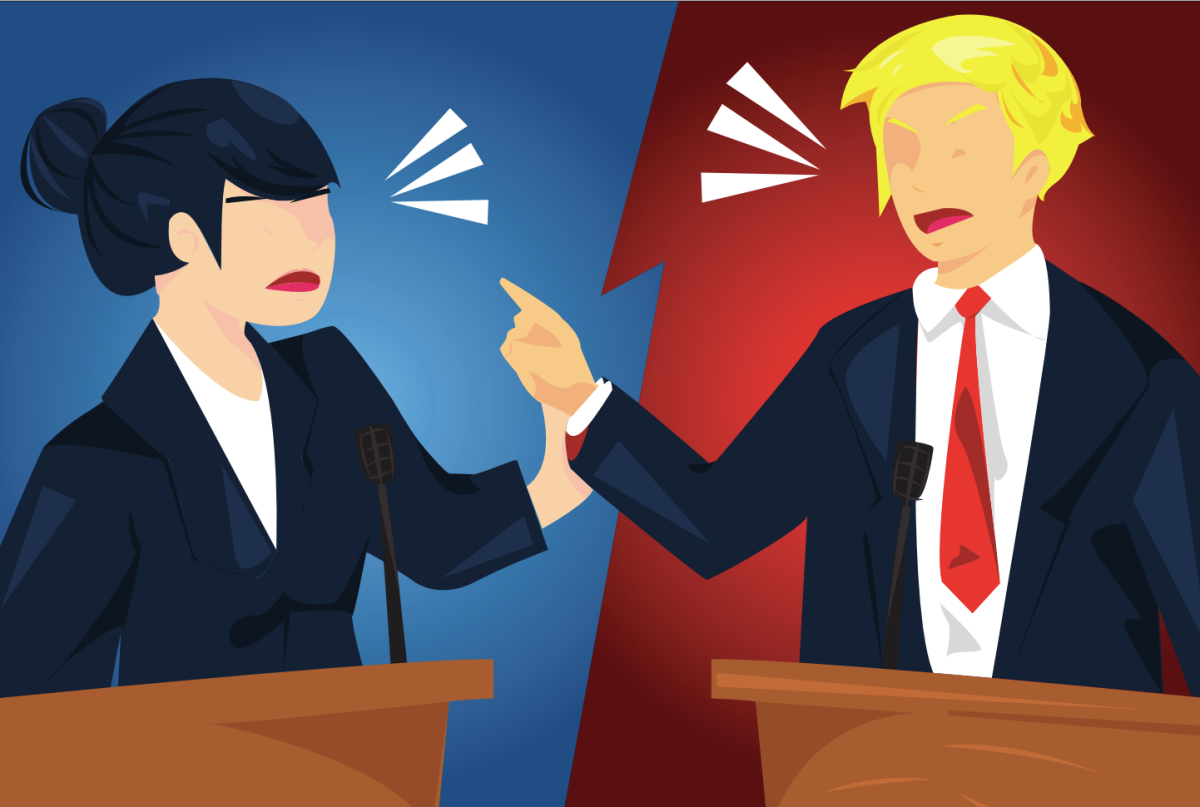
Instead of liberal versus conservative, the political atmosphere seems to be revolving around men versus women.
Over half of young men in the United States voted for Donald J. Trump in the 2024 election, a demographic that was won by Biden four years earlier, according to a survey by AP VoteCast.
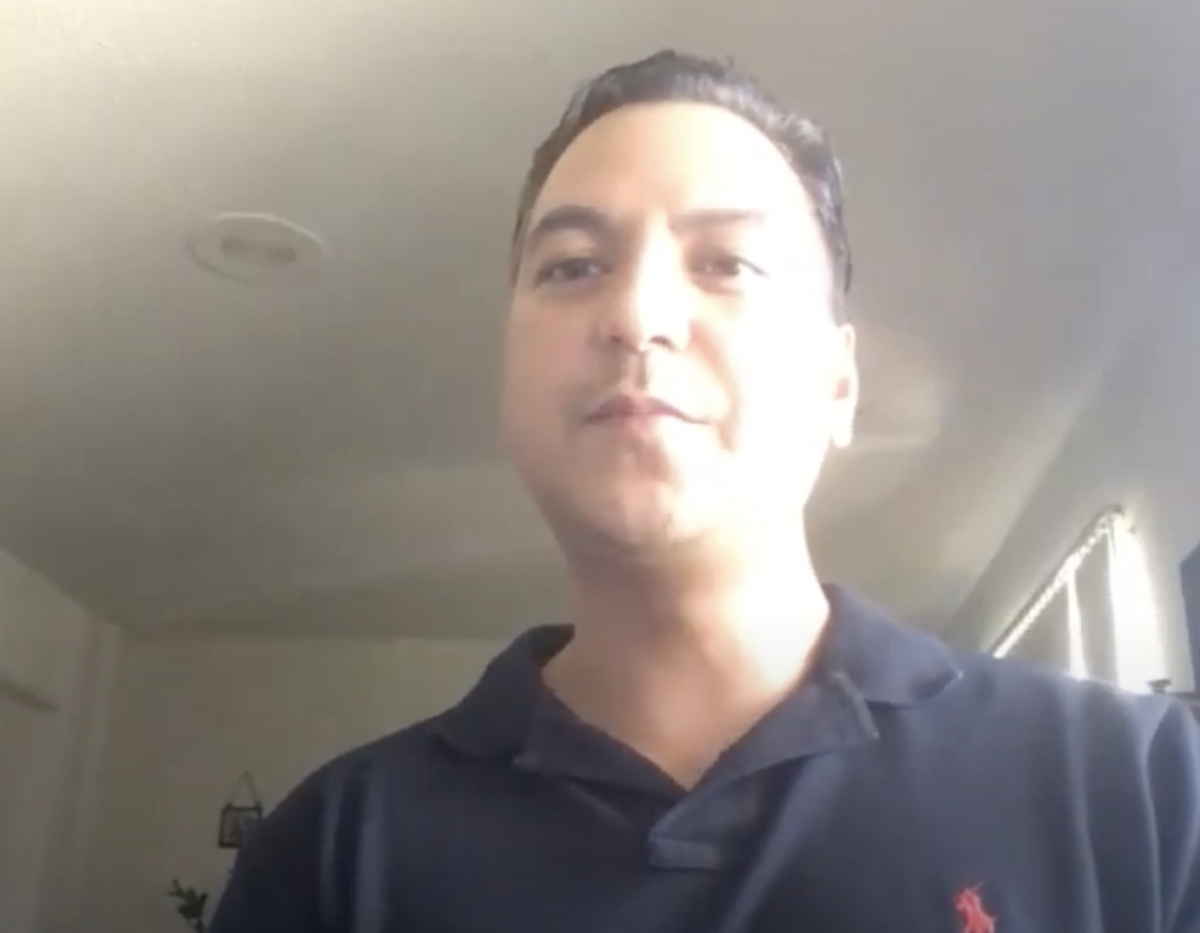
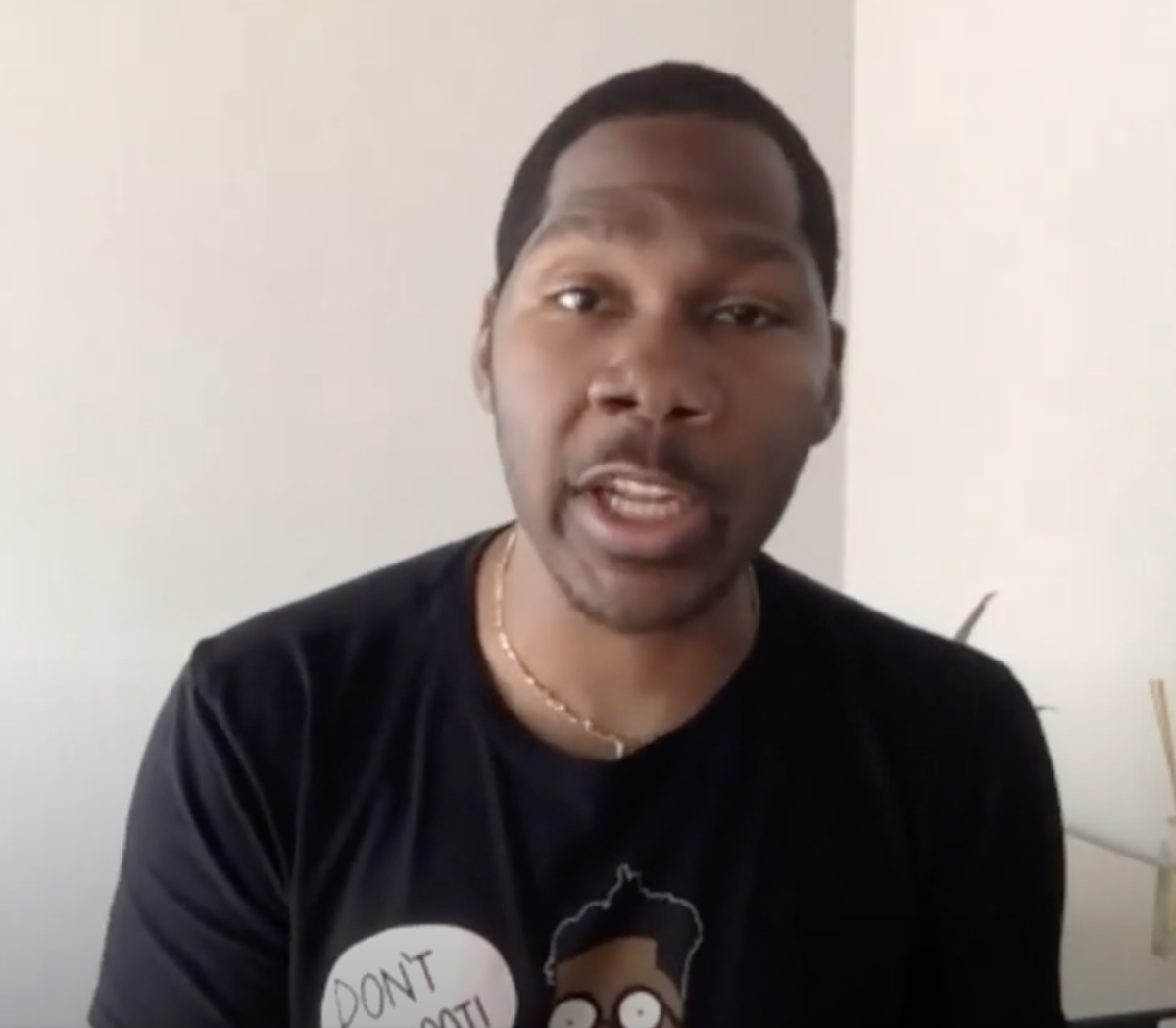
Kyle Decker, a 23-year-old San Diego City College student, was one of those young men.
“I voted for Donald Trump because I think that he supports my wish to uphold strong values and traditions,” Decker said.
After being raised in an upper-class Republican Party household then moving out and going to college, he still resonated with Trump’s ideologies most.
“I saw a lot of similarities between my dad and (Trump),” Decker said. “So obviously if I had the choice between him and a woman that I feel wasn’t even supposed to be in that position anyway … My values align much more with Donald Trump. I have nothing in common with Kamala (Harris).”
Almost as if to counteract, women of the same age group are seen leaning more left, resulting in an ever-growing gender divide.
The reason why men and women are being divided by their political parties most likely stems from a subconscious gender lens through which society views politics.
President Trump embracing the “manosphere” attracted young men to feel left behind by a feminist leaning Democratic party, according to an article from The Guardian.
Decker said women should be able to govern their own bodies, but has not taken steps to support women because it does not affect him.
“If everyone can have guns, everyone can have abortions,” Decker said.
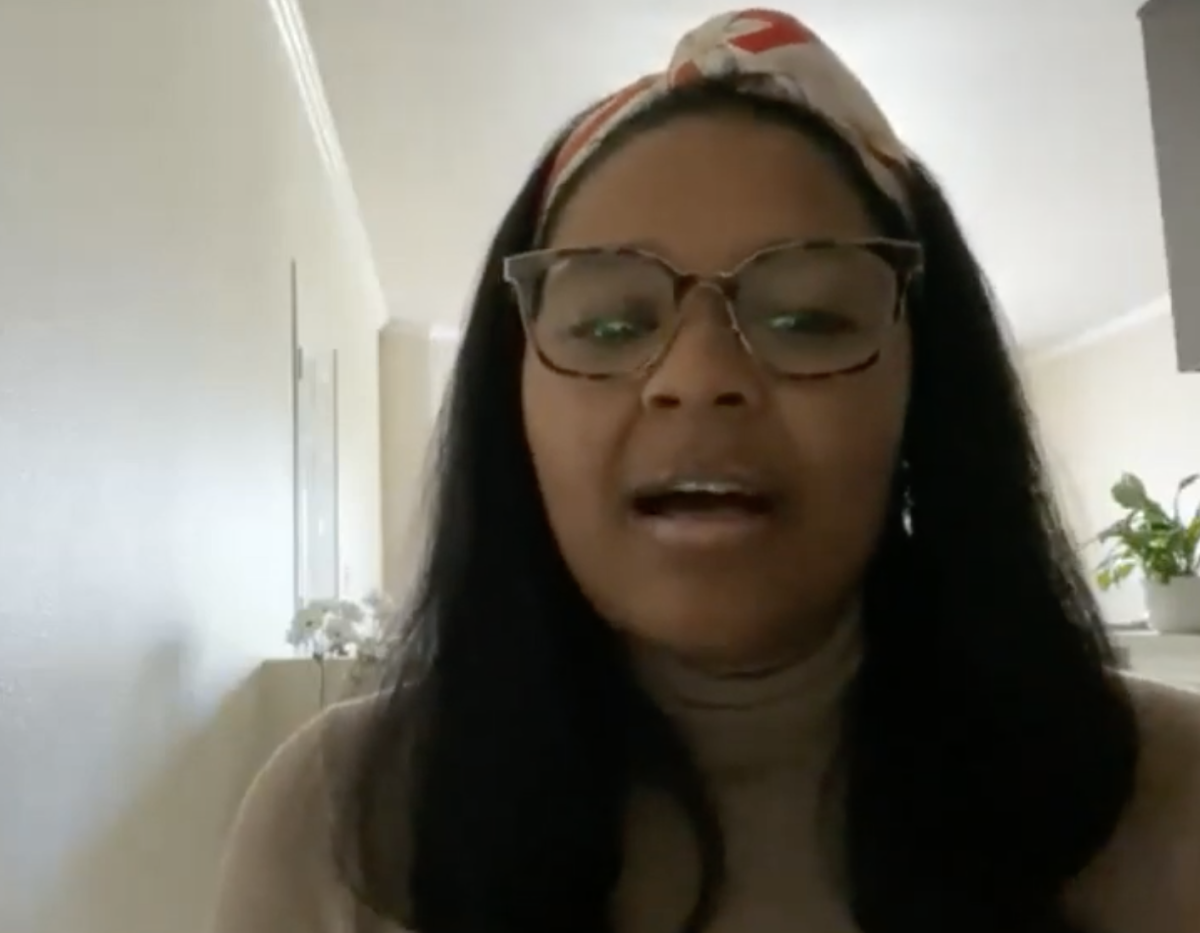
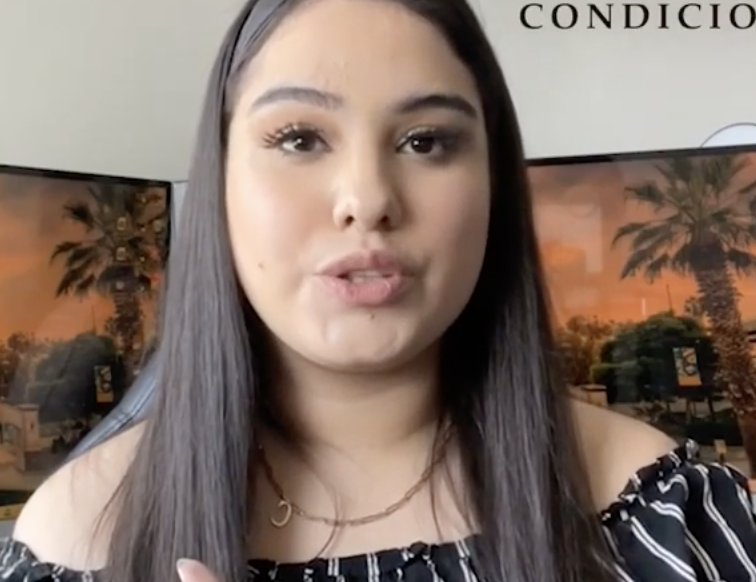
Yamileth Uyoa, a San José State business student, is a self-declared feminist and Democrat.
“You can’t say you’re a feminist and then vote (right-wing) nowadays,” Uyoa said. “Trump and his party have shifted too far to ignore that they no longer care about women or any other minority, I don’t understand why men think it’s okay to rationalize this by talking about taxes, our bodies, or honestly, hundreds of other topics that don’t apply to them.”
Podcasts criticized for being misogynistic and violent are significantly popular amongst young men, causing tension online.
Terms such as “your body my choice” began to become popular and Andrew Tate, a famed self-proclaimed misogynist, made his debut marketing his infamous podcast to young men.
While freedom of speech is incredibly important, the popularity of harmful narratives amongst impressionable young men is concerning.
In a 2023 survey by Hope not Hate, it was found that 80% of British males ages 16-17 listened to Tate’s podcast, an indication that men of this age group are seeking masculinity-affirming content, according to an article published by The Independent.
Young men are more likely to align themselves with the Republican Party and buy into alpha-male propaganda to bolster their manliness.
For Decker, it was a matter of “free speech” and “cancel culture,” a term often used by Tate, when discussing the backlash his opinions have received.
Feminists also have a considerable presence on social media, with creators such as Drew Afualo calling out men like Andrew Tate for posting misogynistic videos or posts, as well as going after Trump himself.
Timothy Miller, an aerospace engineering student at San José State, was another man that voted for Trump because of his own academic pursuits and a personal bias supporting the U.S. military in space.
“I saw what I was doing with my life … and you know Donald Trump was supporting it and I support space exploration,” Miller said.
Different from Decker, Miller describes himself as independent rather than conservative.
When asked why he thinks his demographic is becoming more right leaning, Decker said it may come from a place of fear.
“You know how fear affects the way people think,” Decker said. “I think people in my age group, specifically people like white males in their 20’s, are starting to feel like they’re completely losing their voice and even their ability to be a man without being scrutinized or speak their mind without the woke media trying to cancel them.”
The fear of being cancelled by progressive, or “woke” media, may be valid for men, but they can rest assured that they can win the presidential election twice despite any outlandish comments they may make.
Miller agreed that the media has a large role in the shift.
“I just think that the majority of people around me, that we’re kind of swinging towards the right or voting red because of how the media portrayed the previous president,” Miller said.
Many young liberal women like myself have a problem with Decker’s explanation, arguing that the only thing men are losing is an abuse of power and outdated ideologies.
“It absolutely comes from a place of fear,” Uyoa said. “Rather than joining the rest of us in our progressive generation, Republican men stay stuck in the past and grasp at harmful powers we’re trying to dismantle. How dare they play the victim of not having free speech after everything women have endured? They don’t want to lose control, it’s that easy.”
The historical significance of gender roles is a large contributor to today’s gender divide, as men were previously seen as a protector, leader and superior to women throughout human history.
Uyoa admitted she can empathize with the influences of the past, but that we no longer live in a society where men need to be relied on for protection or stability.
“I think the divide between men and women in this day and age is a problem, yes, and I think it has a lot less to do with politics than you think,” Decker said. “I think it has to do with social media and exposure … I think it puts a divide between men and women.”
Society has seen many benefits from modern day feminism, though I fear we may be leaving the young men of our society behind.
Rather than stray further and further apart, we need to find a way to bridge the gap.
Decker alludes to echo chambers, which is a term that is commonly used to describe seeing the same opinion repeated in your social media feed. Continually being exposed to media that only supports a single person’s outlook on the world leads people to believe that theirs is the ultimate truth, without seeing the multitude of other opinions and truths.
Decker admitted he falls prey to the algorithm himself, remarking that he gets his information “the same way as everyone else,” through Instagram or TikTok.
With social media being Gene Z’s primary source of news, it’s easy to see how echo chambers can easily cause such a problematic divide.
Men being sucked into the manosphere and finding a community that is struggling from the same lack of manly purpose contributes to them resisting modern day feminism rather than learning to adapt to it.
Both Miller and Uyoa agreed that more productive, in-person conversations with a goal of compromise need to happen and less fighting in comment sections over information that might be false.
As young men and women continue to stray farther apart on the political spectrum, I think the opportunity of a peaceful future seems farther and farther away.
“I respect women so much, I’m gonna let them fight that fight,” Decker said.
These three college students remarked that they believe men and women will learn to work around their differences and use their resources to better the world rather than fight each other.
“I think we all need to do a better job of understanding gender bias in politics and work to reinvent the way we view Democrats or Republicans,” Uyoa said. “Associating a party with gender traits limits our thinking, especially in a time where we know there are so many more genders than just male and female.”