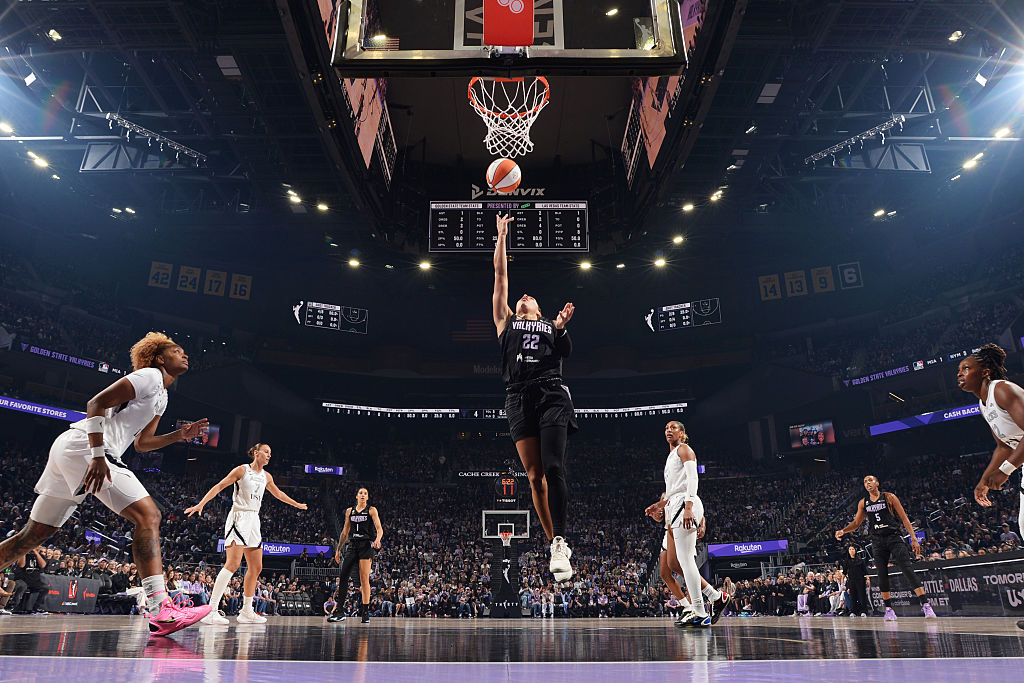
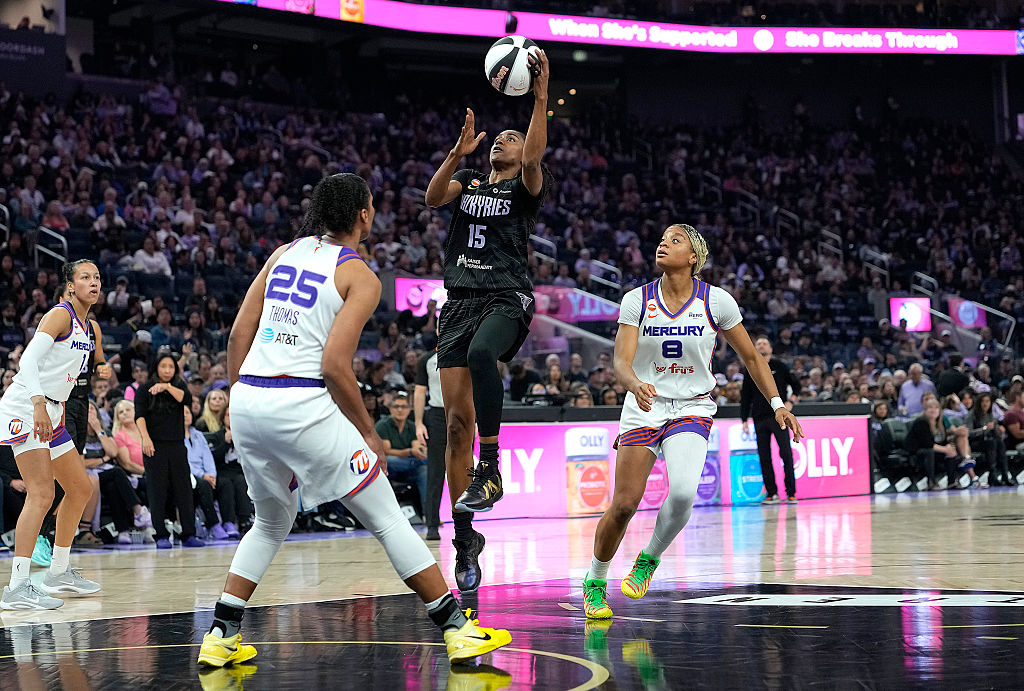









Sports fans need to realize that the athletes they are tearing down are people, too. It’s too easy to forget that the star athletes on our screens are more than just entertainment.
Sports culture has created an environment where fans feel entitled to criticize and dehumanize athletes, forgetting they are people under extreme pressure.
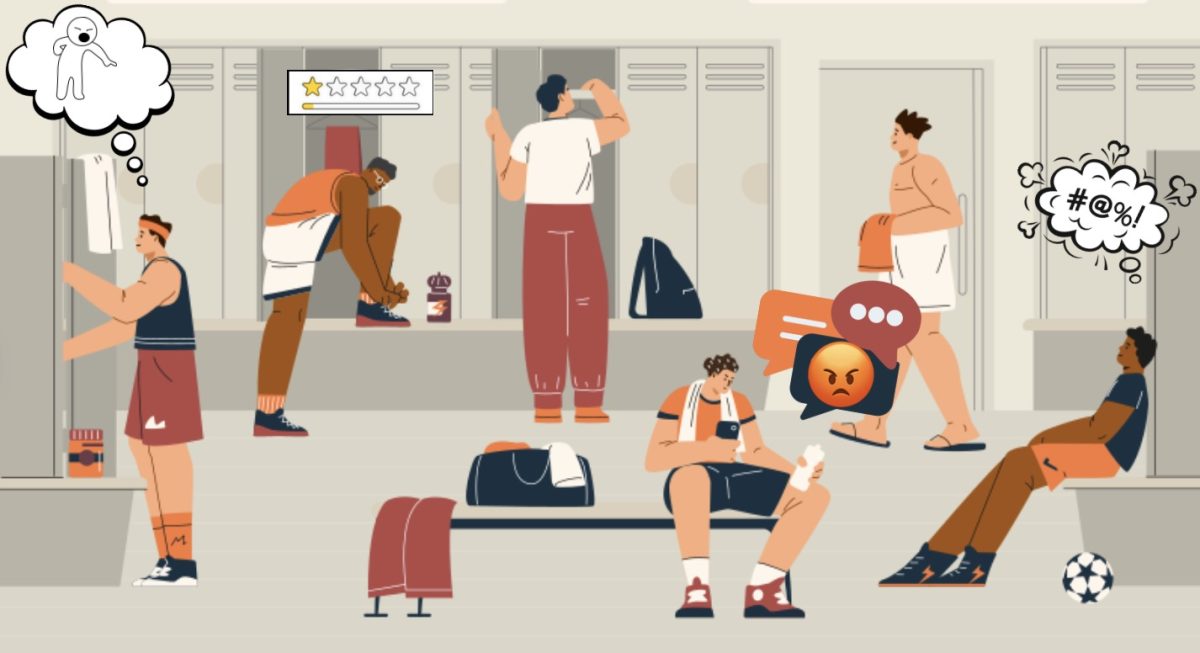
Whether it’s heckling at games, not respecting privacy in public or hiding behind a screen and cyberbullying, the harassment of athletes is out of hand. This entitlement often crosses the line from criticism into personal attacks.
On Dec. 21, 2025, the National Football League (NFL) suspended Pittsburgh Steelers wide receiver DK Metcalf for two games after an altercation with a fan. Though it is unconfirmed what was actually said, a source close to Metcalf reported that the fan offended both Metcalf and his mother, according to the NFL.
Metcalf’s reaction was clearly against league policy, but it’s hard to imagine how degrading it would be to constantly block out hate while doing your job.
Outside of sports, fans make it hard for athletes to enjoy a normal life. The stardom has to be nice most of the time, but when you are unable to take a simple day relaxing without being followed, it must be exhausting.
A video recently circulated on social media showing LeBron James eating lunch in Toronto with an entire crowd of people watching him. When you are one of the best basketball players of all time, fame and glory follow you everywhere, but it is disturbing how fans treat James like a zoo attraction.
Everyone craves attention and admiration, but the reality is it comes with downsides. Instead of being valued at a human level, these stars are turned into media icons and treated like a novelty.
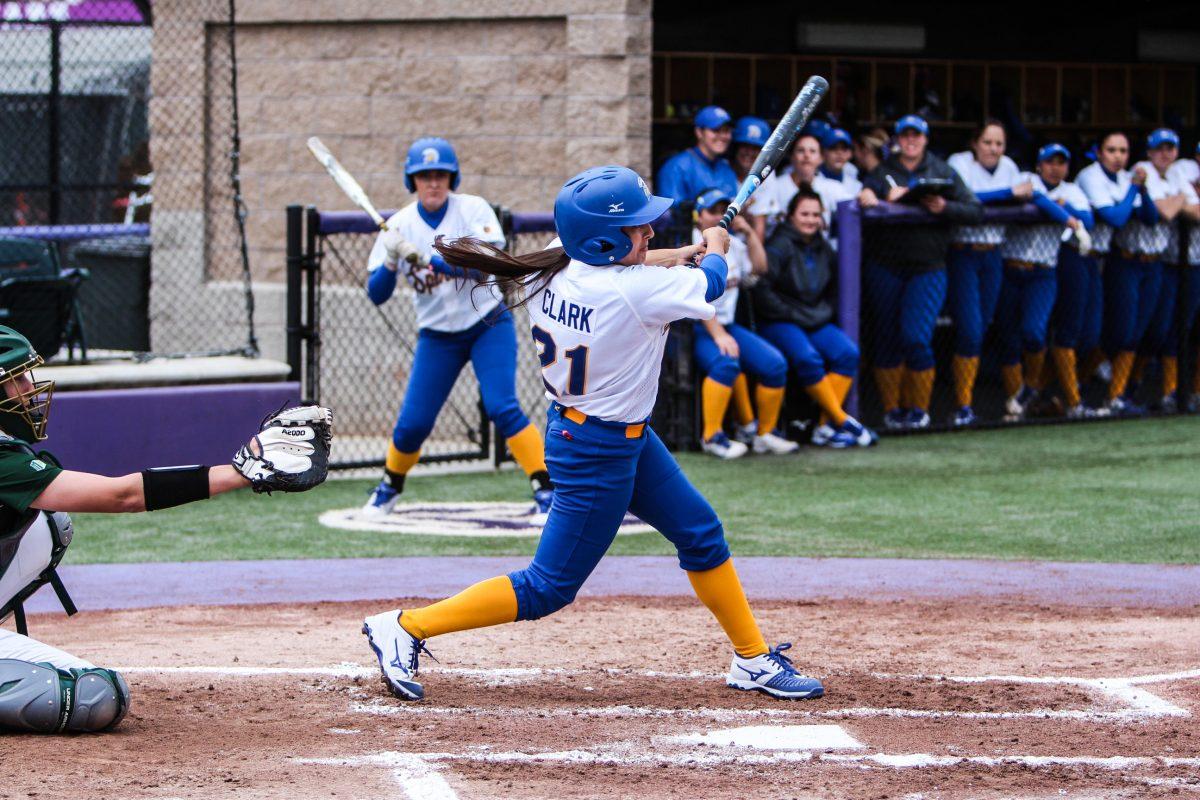
This lack of human connection extends beyond professional sports; it happens in college sports, too.
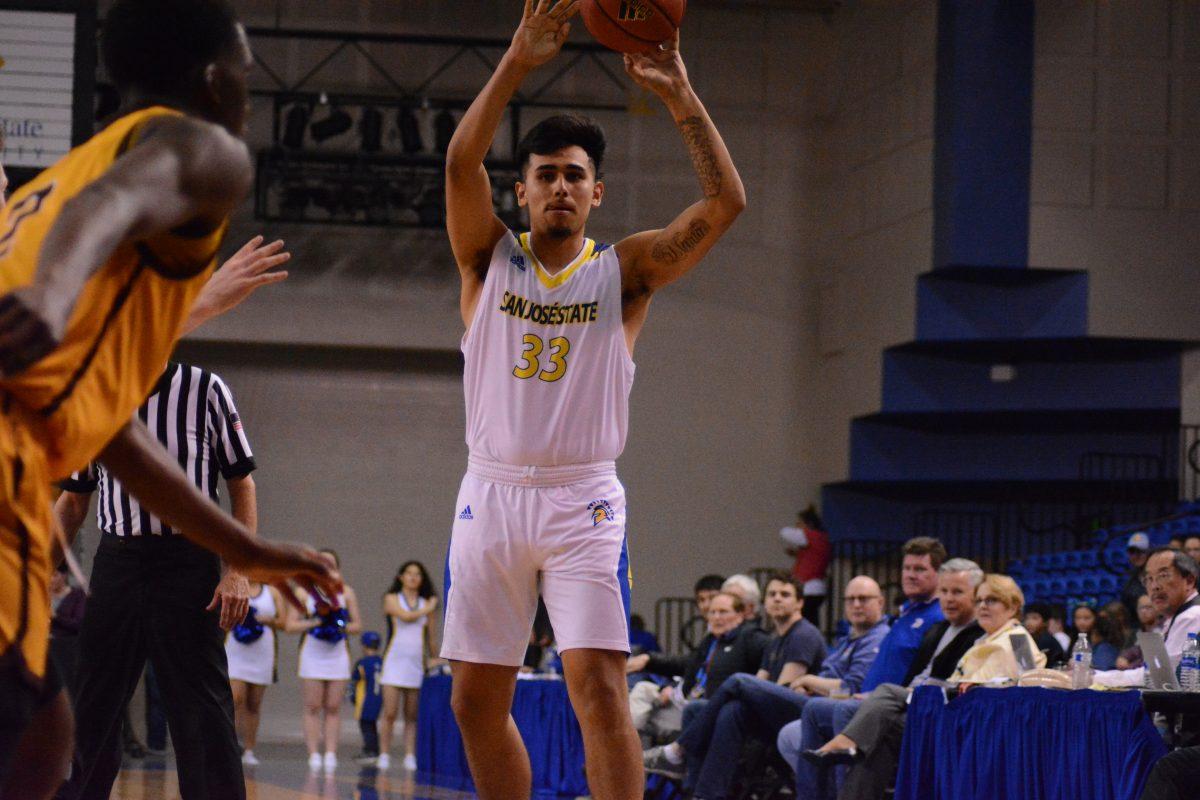
I am always appalled at the way people talk about young college players as if they are not only students navigating early adulthood.
In college sports, people seem to forget that the players they are cheering for or yelling at are fellow students.
It is too easy to hide behind a screen and comment on athletes who are performing at a level nobody but them understands.
Social media has made it easier than ever to target athletes directly, with criticism often turning into harassment behind anonymous accounts.
Thousands of abusive messages are directed at student-athletes during major events, with 80% of that abuse targeting March Madness players, according to an NCAA study published Oct. 10, 2024.
I have seen so many social media posts of students bashing their own star football players or sending enormous amounts of hate to other teams, and I can’t help but feel bad for some of the players.
Student-athletes are already at a higher risk for mental health struggles and social media obligations adds to that pressure. Research shows athletes are particularly vulnerable to issues like depression and anxiety, while also dealing with harassment and online bullying, according to a January 2021 Journal of Issues in Intercollegiate Athletics study.
A 2025 National Collegiate Athletic Association study found that 51% of Division I men’s basketball athletes reported receiving hate on social media for their athletic performance, according to an Feb. 5 NCAA research update.
As a student athlete myself, I know the amount of work that college athletes put into their sport and I can’t imagine if that dedication was constantly undermined by online trolls.
College athletes are young and working towards their dreams while the whole world is watching and critiquing their every move.
There’s a level of entitlement that fans have over the fact that these pro athletes (and even college athletes) are making an insane amount of money, so they are open to any type of criticism.
And while I agree that, for many, the dream life is being paid millions to do a professional sport, fans need to understand that fame does not automatically strip athletes of their humanity or privacy.