







After the killing of Alex Pretti, there has been a surge of new gun owners from the left side of the political spectrum, which has previously been known for advocating against gun rights.
Pretti was an intensive care unit nurse working in Minneapolis who participated in protests against United States Immigration and Customs Enforcement (ICE).
On Jan. 24, he was legally carrying a concealed handgun, got into an altercation with ICE agents and was shot at least ten times after being disarmed without ever firing at the officers, according to a Jan. 29 article by The Guardian.
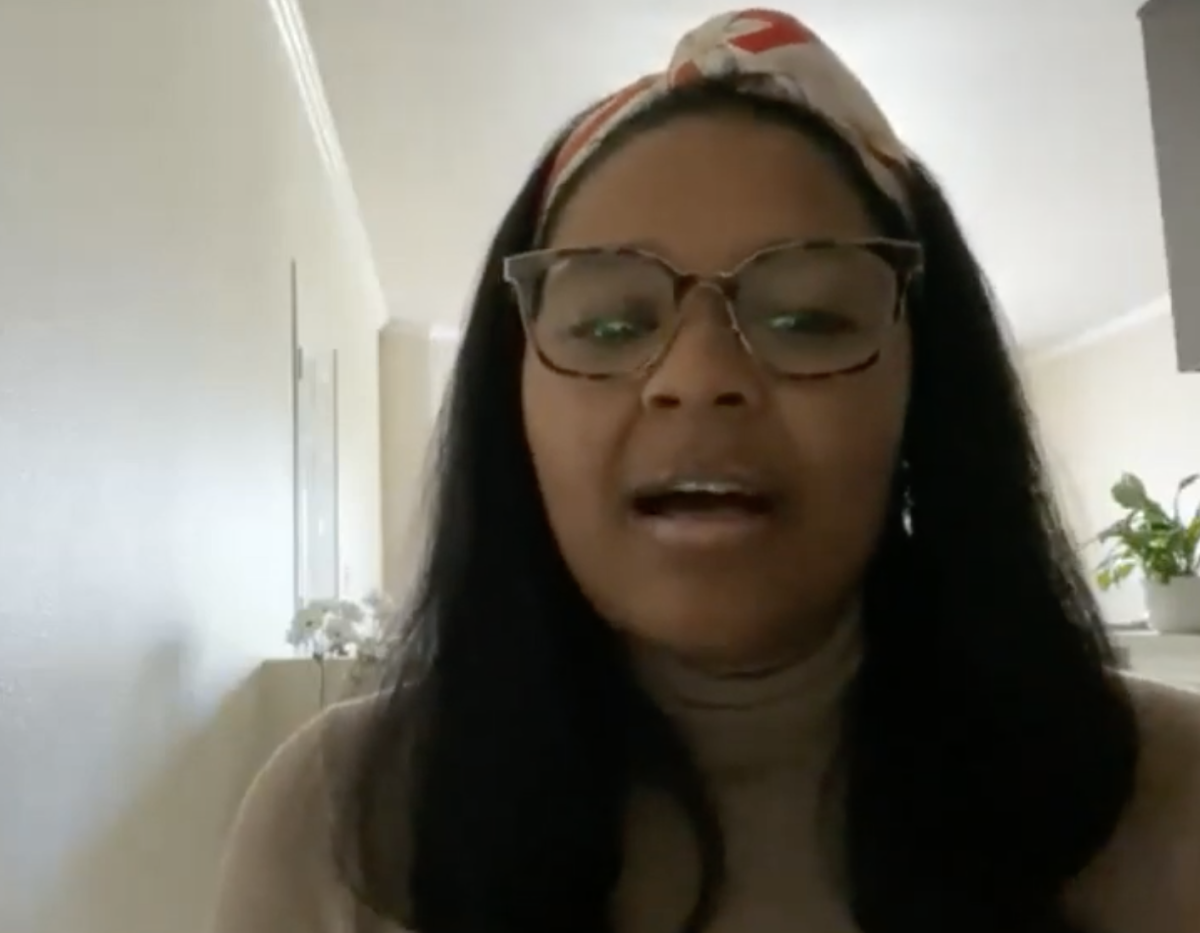
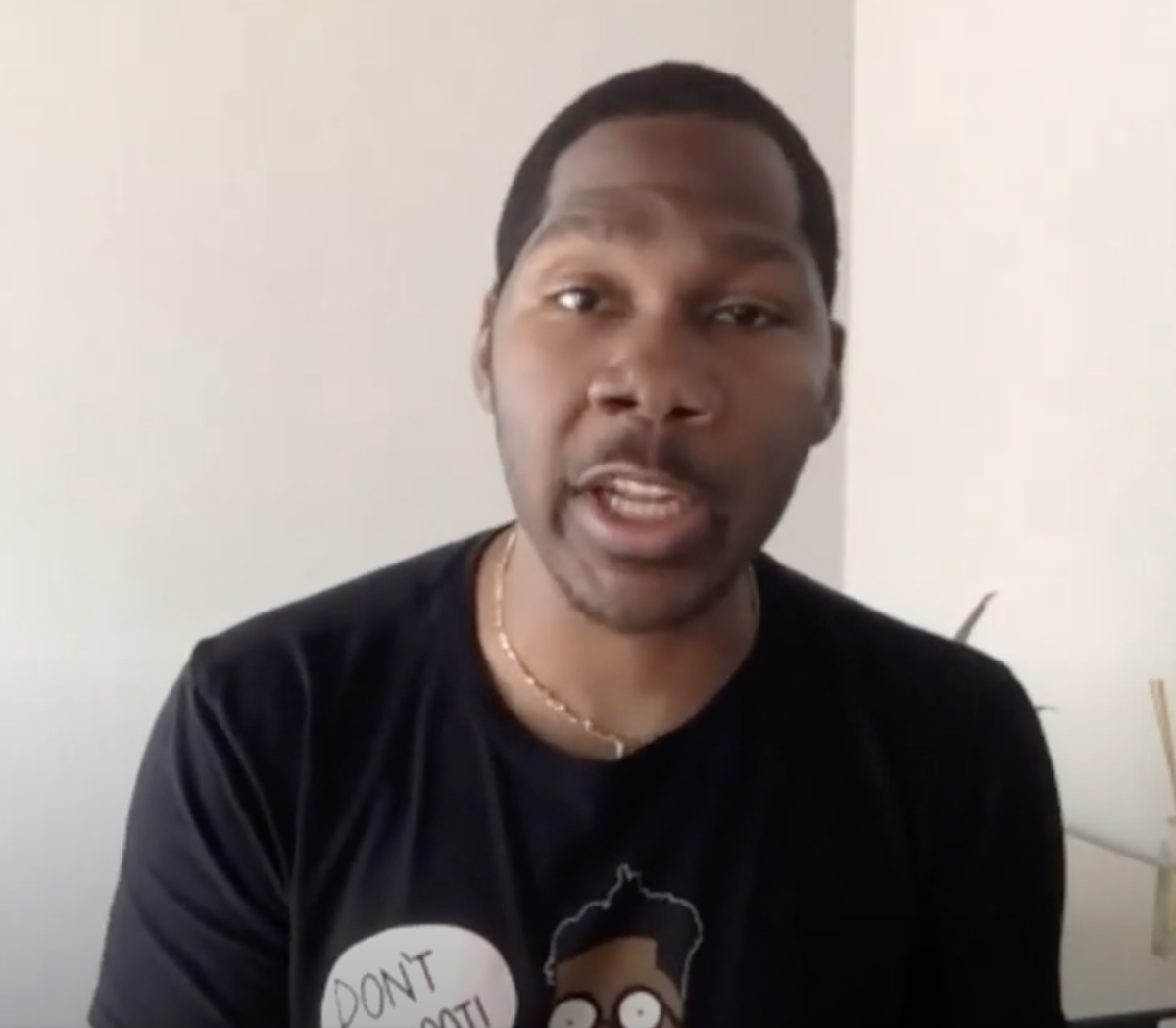
Rich Lee, a Minnesota resident, said he was shocked when the Pretti shooting happened and it made him believe owning a firearm was important for his own safety.
“I was never thinking about (owning a gun) until it got to the point of (ICE) just doing whatever they want,” Lee said. “Then Alex Pretti (was killed). That’s when I thought it’s not safe in Minnesota.”
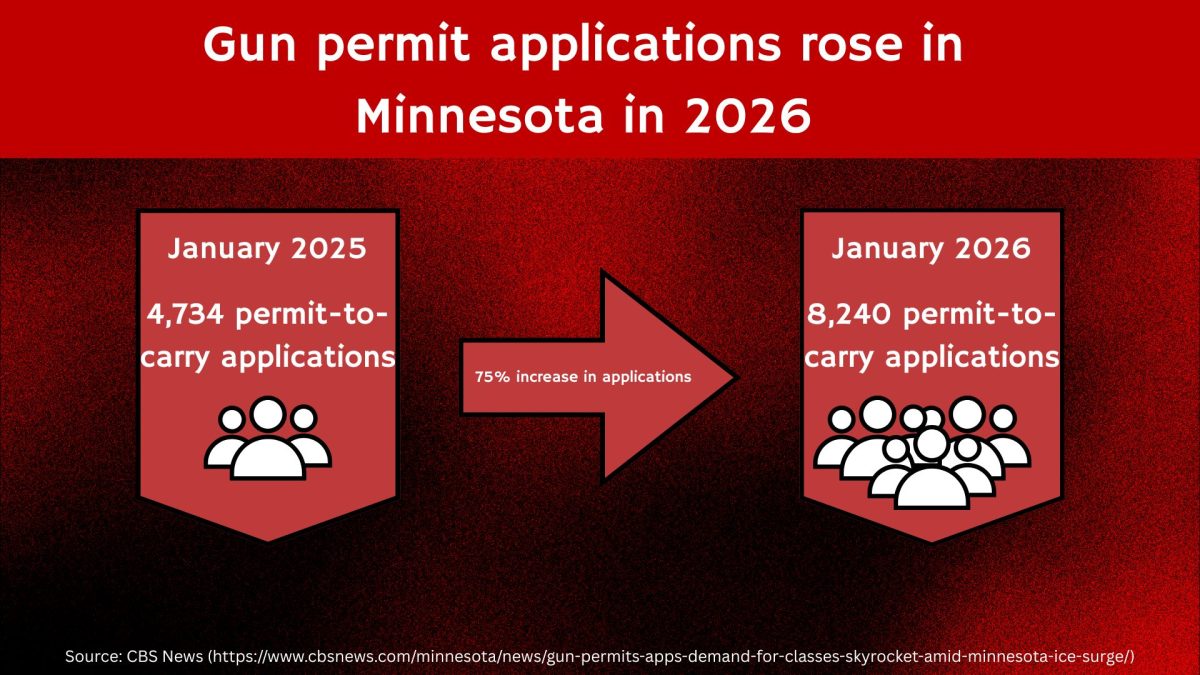
Applications for a concealed carry weapon permit rose about 75% from January 2025 to January 2026, according to a Feb. 9 article from CBS News.
The federal government’s actions in Minnesota and its violent action against citizens have been met with national protests and public discourse, according to Democracy Now.
The initial reaction by Kristi Noem, the secretary of the Department of Homeland Security, was that he shouldn’t have been carrying a firearm in the first place, according to an article by Mediaite.
“This individual went and impeded their law enforcement operations, attacked those officers, had a weapon on him and multiple dozens of rounds of ammunition, wishing to inflict harm on these officers coming, brandishing like that and impeding their work that they were doing,” Noem said.
Noem later said that her statement was issued with limited information, according to a Jan. 19 article by Politico.
The initial message from DHS of carrying a gun in itself was a just cause for lethal force infuriated many gun rights activists.
Lee said that during ICE’s operations in Minneapolis, they were targeting Hmong people, an ethnic group located in Southeast Asia, which made him fear for his family and community’s safety.
“(My friend) was asked if she knew any Hmong neighbors around her neighborhood,” Lee said. “That’s when it got really scary … I made sure everyone printed out a copy of their birth certificate.”
In 2004, a large surge of Hmong refugees from Laos immigrated to the US, according to an article by Migration Policy Institute.
Hmong people have been immigrating to Minnesota since 1975 and more than 66,000 currently reside there, according to the Minnesota Historical Society.
Along with what people have described as racial profiling, criticisms have been leveled toward President Donald J. Trump administration about government overreach.
An internal ICE memo said that officers can enter homes without a judge’s warrant, according to a Jan. 27 article by the Associated Press.
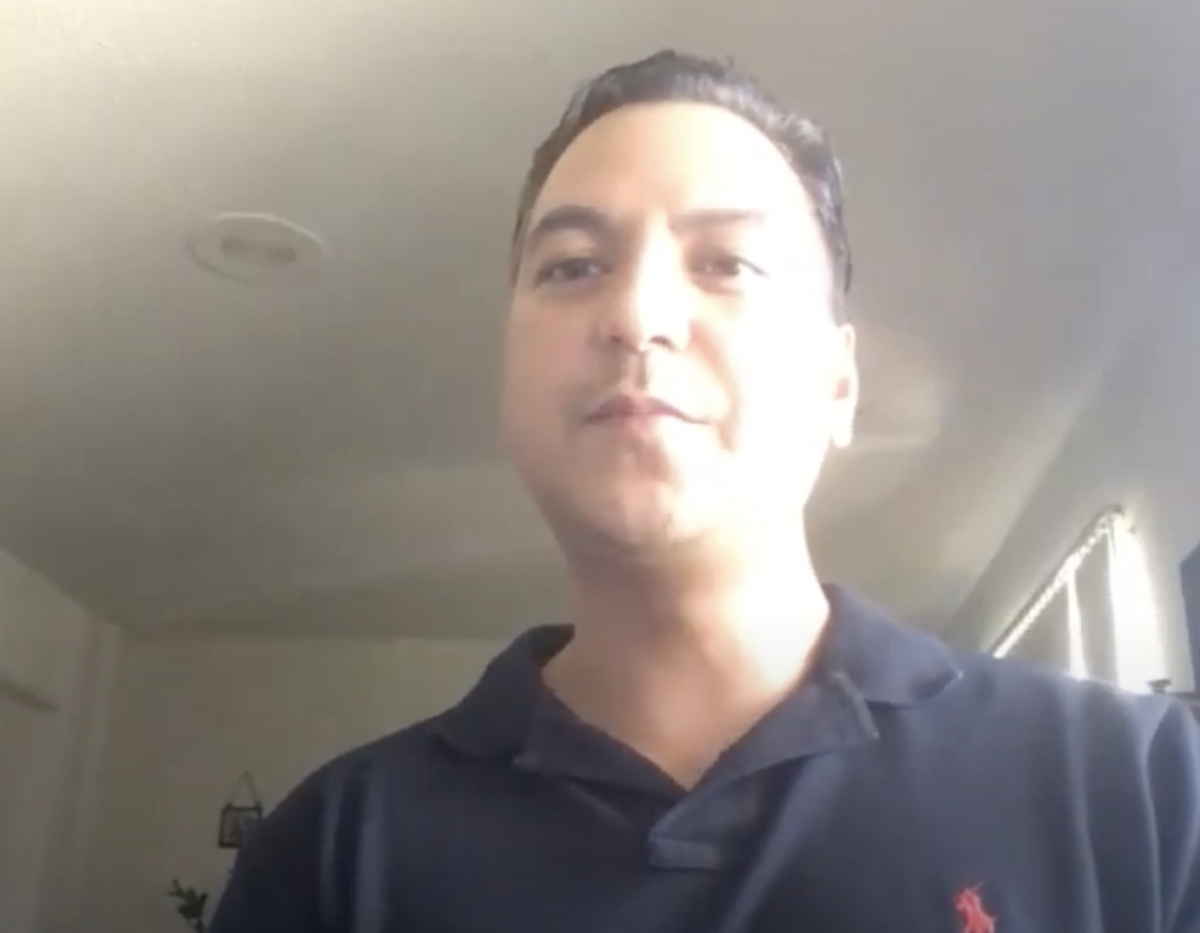
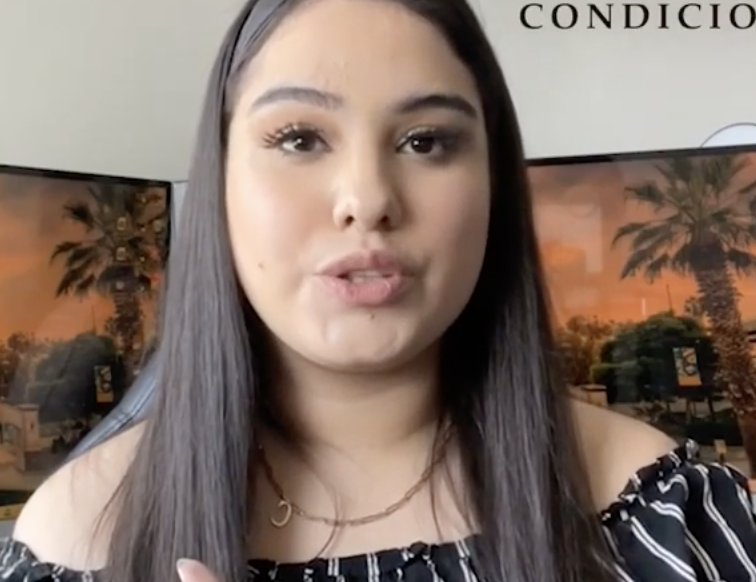
Tano Gudray, a mechanical engineering student at California State University, Sacramento and a competition shooter, said that he was upset over ICE’s violent actions in Minneapolis.
The violent actions toward Renée Good and Pretti were also used as examples by protesters in Minneapolis to highlight government-backed violence against its own citizens, according to KSBW.
“I was pretty disgusted over how ICE acted towards both Pretti and Renée Good,” Gudray said. “There was no real reason for you to shoot her like that. That’s terrible. That’s just police brutality right there.”
Noem said that Good was a “domestic terrorist” and had intent to cause bodily harm, according to a Jan. 7 video post on X from Homeland Security.
Gudray said he was surprised to see the Trump administration try to justify Pretti’s killing because of him carrying a pistol.
“How are you not allowed to have a firearm?” Gudray said. “They’re just trying to demonize him for expressing his right, mainly to justify his death.”
Rather than gun rights being an exclusively right-wing issue, after Pretti’s killing, the reaction was bipartisan.
United States Attorney for the Central District of California Bill Essayli said in a post on X that people should not approach law enforcement with a firearm, according to an X post on his account.
The National Rifle Association (NRA) condemned the post on X.
“This sentiment from the First Assistant U.S. Attorney for the Central District of California is dangerous and wrong,” the NRA wrote in a post on X. “Responsible public voices should be awaiting a full investigation, not making generalizations and demonizing law-abiding citizens.”
California Governor Gavin Newsom provided a statement agreeing with the NRA and also condemning the Trump administration’s actions in Minneapolis, according to a Jan. 27 article published to the governor’s website.
“I agree with the NRA on this,” Newsom said. “Nothing is sacred in Trump’s America; not the First Amendment, not the Second, not even life itself. We should all be outraged not only by the senseless deaths at the hands of federal officials, but also by the erosion of our rights. We must act fast to protect them and prevent any further tragic loss of life.”
Gun ownership has been a controversial topic in the United States for decades, with major laws against gun ownership going back to 1968 with Lyndon B. Johnson’s Gun Control Act.
The Gun Control Act of 1968 restricted firearm ownership for felons, increased regulations for firearm sale licenses and restricted the purchasing of firearms in America.
Gudray said that he was against these regulations as well as the California laws passed by then California Governor Ronald Reagan in 1967 because they targeted minority groups.
“They were mainly meant for African American individuals, specifically combating the Black
Panthers,” Gudray said. “A lot of the reasons we have such weird gun laws are because of
Reagan-era regulations that have just carried over today.”
The Black Panther Party was an Oakland based political and militant organization, which advocated for Black power and self-defense through armed patrols and rallies, according to The National Museum of African American History and Culture.
The Black Panthers held patrols and rallies open-carrying firearms, advocating for self-defense against police brutality, according to NPR.
In 1967, the Mulford Act was passed by the California legislature under then-Governor Reagan, as a reaction to the Black Panther Party armed protests and activities, according to a Jan. 18 article on KCRA.
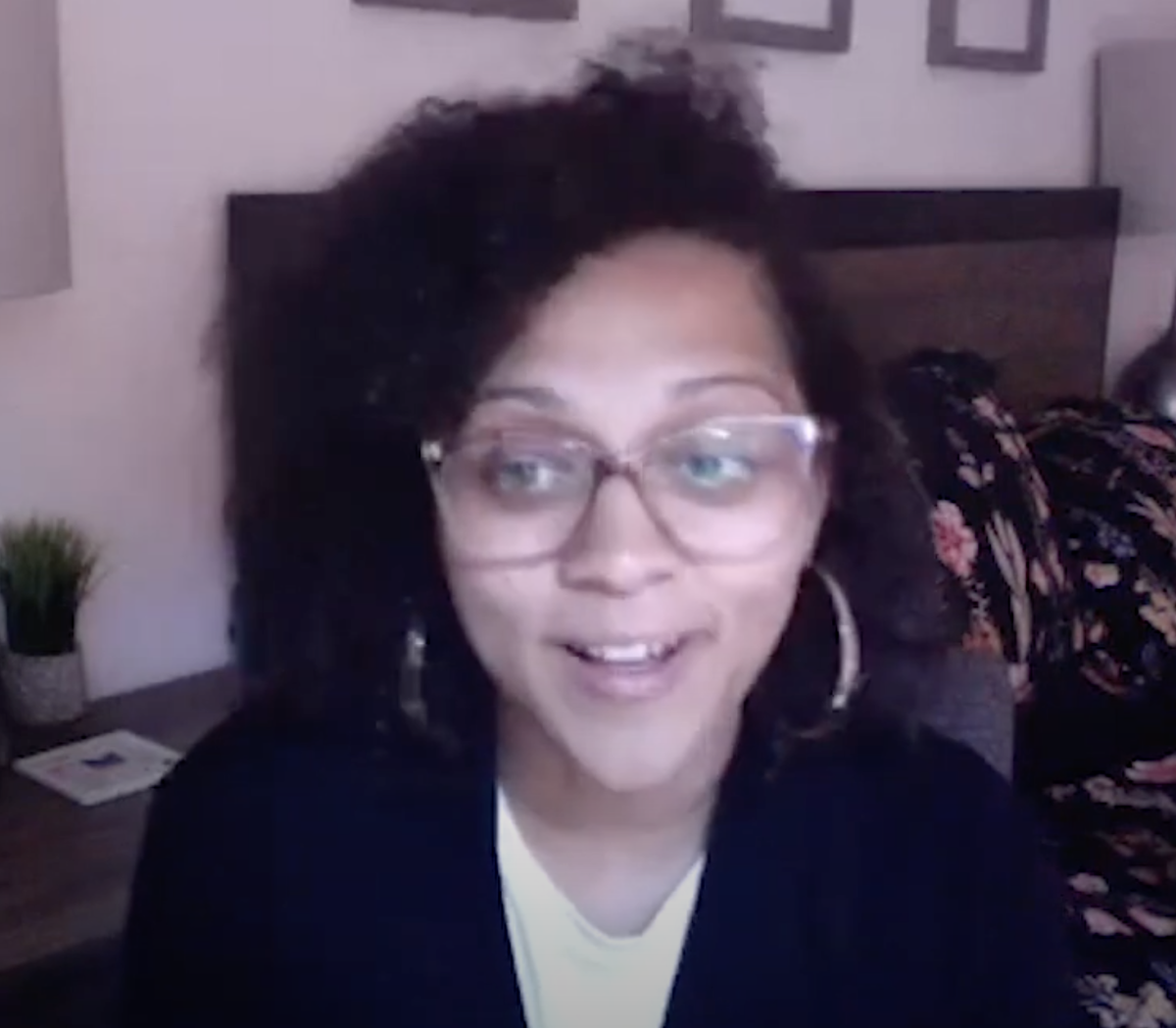
Anthony Salazar, a first-year data science student at San José State, said that the purpose of the Second Amendment is for citizens to defend themselves against a tyrannical government.
“I think that the people should be able to organize and to revolt and overthrow with force,” Salazar said. “The Second Amendment, in a way, is kind of the amendment that has to watch over all others. Even if everything else collapsed, that is our fallback.”
The Second Amendment of the U.S. Constitution was created in 1789 by the United States Congress and said that the right to bear arms was necessary for a free state.
Beyond its purpose to create a “well regulated militia,” it has been defended on the grounds of being necessary for self-defense, which was held up as recently as 2008 with District of Columbia v. Heller, according to the court case.
Salazar said that the Constitution and the American Revolution were important to understanding America’s current circumstances.
“The Constitution is going to grant you the right to bear arms to exactly prevent a society like (this),” Salazar said. “We now have tariffs that are sky high, our economy is in shambles, houses are unaffordable and more people are most certainly being killed by ICE than the loyalists back in the day.”