











This year, San José was ranked as the most expensive place in the world to live for homebuyers.
The average earner in San José can only afford about 27% of the average home, according to a recent study conducted by financial services company, Remitly.
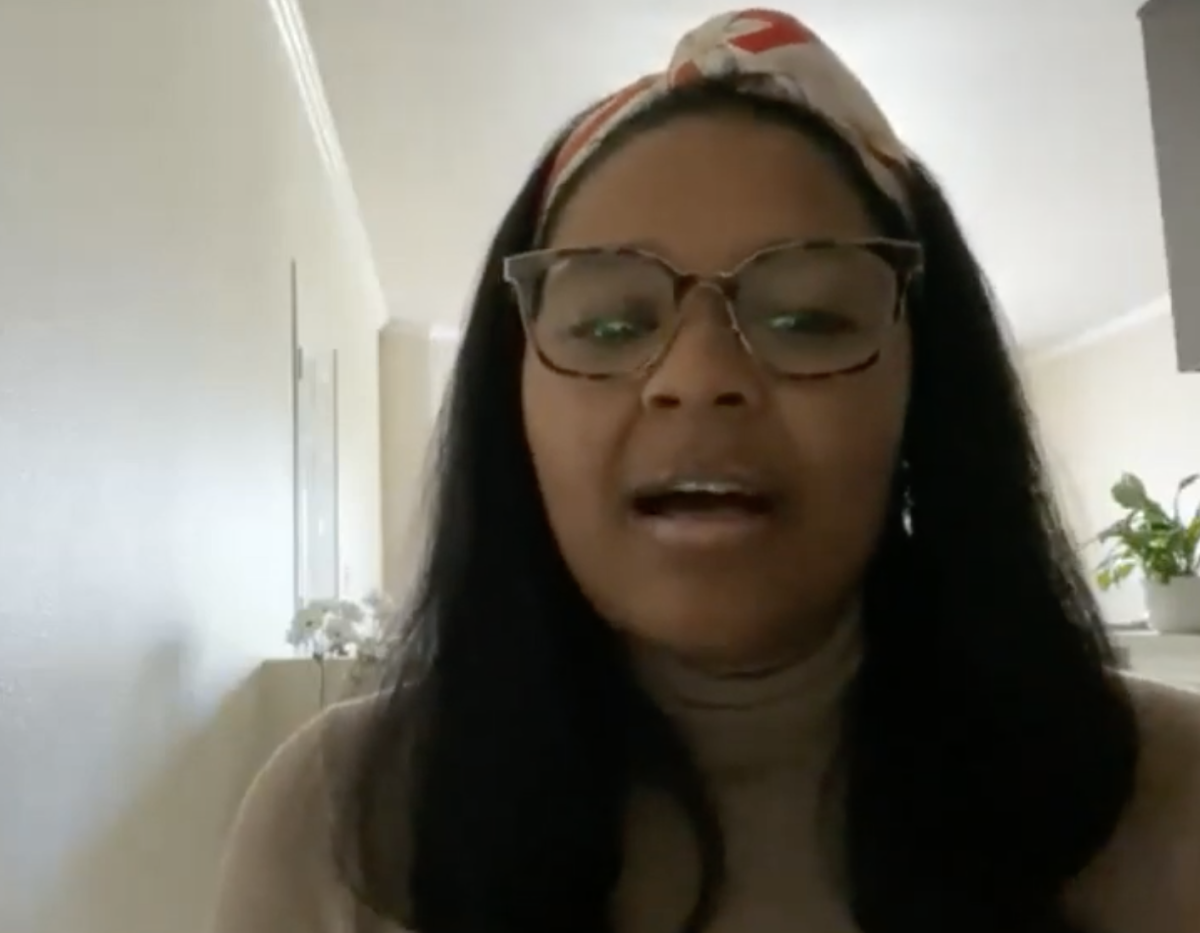
Kelly Snider, an urban planning professor at San José State, said this assessment is not at all surprising.
“It’s very expensive and there’s almost nothing at the lowest end of the price point,” Snider said.
The average home price in San José is $1.37 million and the average worker makes about $86,000 a year, according to Remitly.
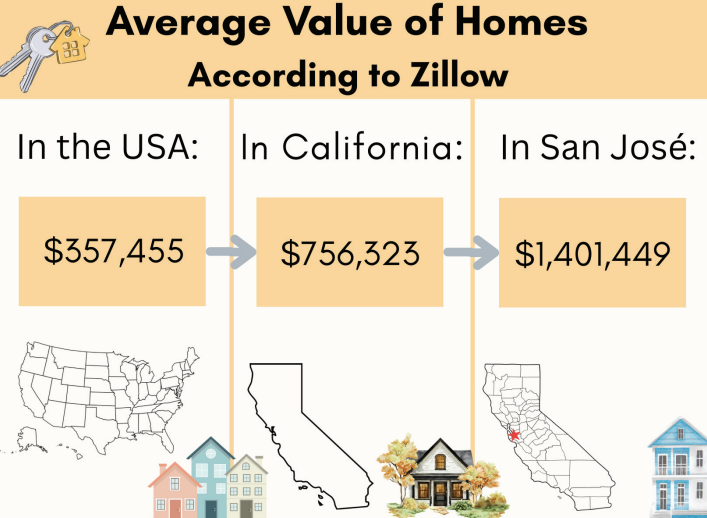
Zillow currently lists the average home price as even more than that at $1.4 million.
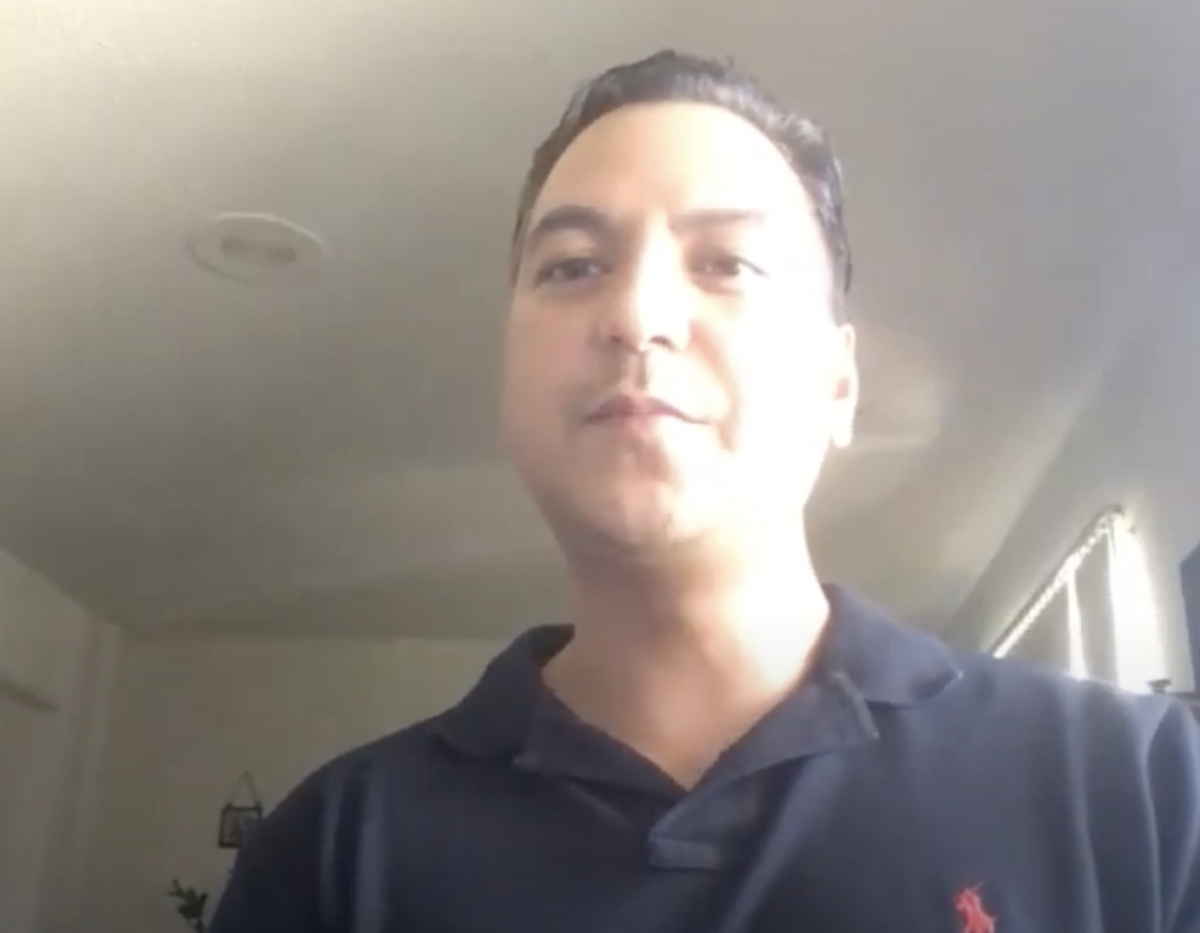
Homeowner and landlord Edgar Sandoval Walle said that this disparity is in large part because of the low inventory of homes in the area.
“I feel like a lot of people want single family homes, but what really probably needs to happen is a lot of high-density housing being built,” Sandoval Walle said.
Sandoval Walle has owned property in San José since 2021 and said he has already seen the markets change in the past five years.
He said that while the houses themselves might’ve been more expensive when he first bought a home here, it is less affordable now because of the higher interest rates.
Rising interest rates have made buying a home even more difficult for first-time buyers. Mortgage rates have nearly doubled since 2021 and as a result many homebuyers have stepped back from the market, according to the U.S. Bank Website.
Sandoval Walle said the lack of high-density housing is reflected in zoning patterns in San José.
The San José metropolitan area is about 2,678 square miles and is home to almost 2 million people, according to the Census Reporter website.
However, approximately 94% of residential land is designated for single family houses, according to the City of San José website.
“San José has all of this space and almost all of the land in San José is restricted to one house per lot,” Snider said. “That is a policy that this city could have changed 30 years ago or 10 years ago or five years ago, it can change tomorrow.”
The job market in Silicon Valley provides a huge pull factor for young people wanting to buy homes in San José, but the city has not matched the influx of job opportunities with enough additional housing, according to Snider.
“We have not built enough homes in the last 50 years,” Snider said. “We’ve increased the size of the workforce and we have not built a new house for every one of those jobs.”
Snider said that changing the one house per lot policy is one thing that could measurably help, but it is hard to tell what the city is doing to make housing more affordable.
“There’s not a lot they can do,” Snider said.
California passed Senate Bill 79 in October 2025, a law that makes it easier to build more tall housing near public transit.
Despite the bill’s goal of increasing housing, San José is trying to exempt industrial land from this bill, according to a Feb. 4 article by San José Spotlight.
Snider said that this bill won’t actually affect much.
She says that the work San José is doing to remove some soft costs, while building new housing will make more of a difference.
In 2024, the San José City Council passed a program that reduces certain city taxes and fees for some housing projects, according to a Feb. 6 Local News Matters article.
Snider said she doesn’t have much confidence in the people at City Hall.
“They’ve been trying for about 15 years to make housing more affordable and for 15 years, it has not gotten more affordable,” Snider said.
This affordability crisis is forcing a lot of college students to wonder if they are going to be able to stay in the Bay Area after graduation and those entering the work force are having to face the reality that they may not be able to stay close to family because of expenses, according to Snider.
The effects of expensive housing go beyond where people live, which is represented by young people who move back in with their parents because of high housing costs, according to a New York University study published in Sep. 2025.
Sandoval Walle said the most important advice he has for young graduates who want independence is simple.
“Save money,” Sandoval Walle said. “It may seem like a very daunting task just to go through the home buying experience and something you can make it worth it in the end for yourself. It takes a lot of commitment.”
Snider has a much more blunt take on the reality of living in San José.
“If you want to stay here, then you have to make these really serious trade offs for your quality of life,” Snider said.
Often, graduates have to live in small spaces, sharing with other people. Patrick Mincher, a third-year molecular biology student at SJSU, said he thinks the tradeoffs are worth it and while he understands that housing prices are more expensive in San José, he knows the other benefits.
“I think a lot of the opportunities and the salaries around here are also a lot better than most places,” Mincher said.
For a lot of young graduates, the ability to stay close to home is more important than the ability to afford a nice living area.
Mincher, who grew up in Cupertino, said his main focuses are on staying close to family and being in an area that is good for his field.
“Affordability is definitely up there as well,” Mincher said. “I have to take other factors into consideration.”
Not every student is as fortunate as Mincher and some are having to move away to find more livable areas to start their lives.
“We’re losing the ability to have these generational family homes for grandkids to grow up and be near their grandparents and their aunties and uncles and their cousins,” Snider said.
Unless affordability improves, young San José locals will have to continue to weigh the opportunity against the ability to remain in the city they call home.
“It is a deep rooted problem that has been getting worse and worse every year for decades,” Snider said.