
















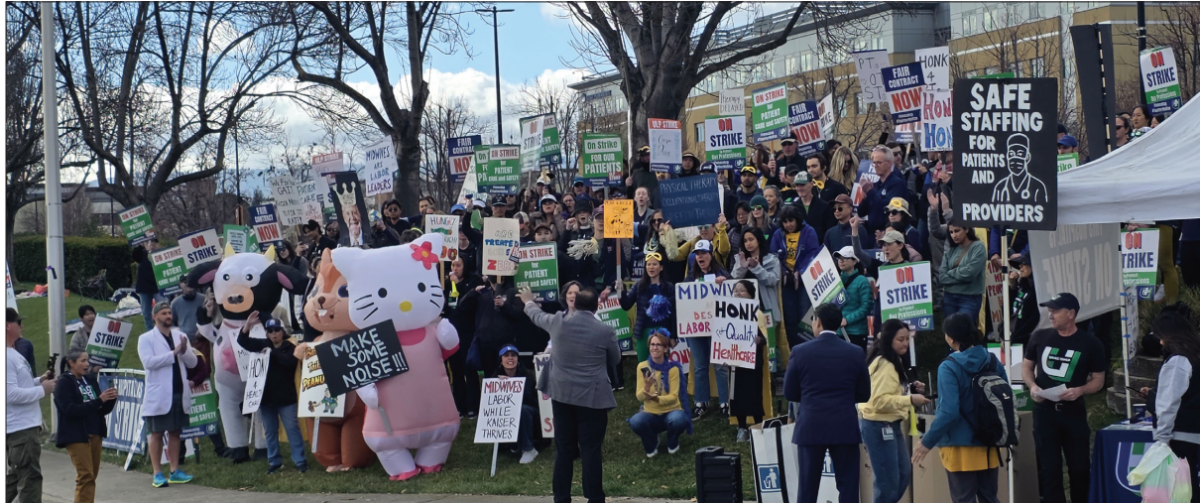
At the Kaiser Permanente Santa Clara Medical Center, over 80 people picketed in support of the strike against the health organization, advocating for fair labor practices and contracts, patient safety and more staffing.
Across California, the strike against Kaiser Permanente by the United Nurses Associations of California/Union of Health Care Professionals (UNAC/UHCP) enters its third week, according to a Feb. 9 UNAC/UHCP press release.
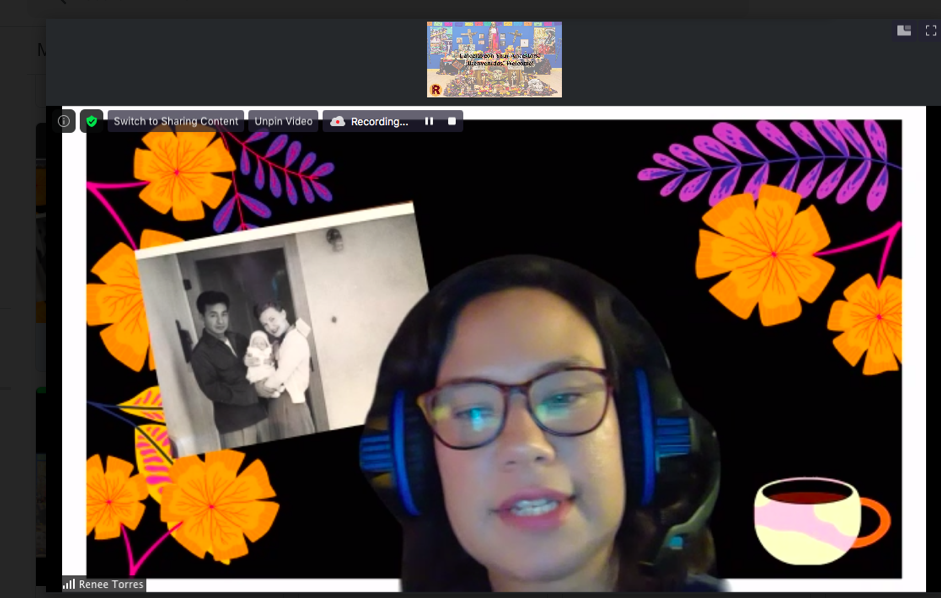
DianneJoy Kelleher, physical therapist in outpatient care at the San José Medical Center, said the most important purpose of the strike is to ensure patient safety.
“Patient safety is at the top,” Kelleher said. “It is also about wages, which is what Kaiser keeps on putting out, that it is just about (that).”
Kaiser published a press release in January saying that they have offered a wage increase of 21.5% over a 4 year period, according to a Kaiser Permanente article about the details of their new Alliance of Health Care Unions (AHCU) contract.
Kaiser stated that the strikes were about wages and were designed to disrupt the lives of patients, according to a Jan. 26 Kaiser press release.
Kelleher said that the Kaiser Permanente Santa Clara Medical Center is understaffed, which has led to overworking staff and delayed meetings with patients.
“We have an incredible number of new evaluations, which take a lot more time and effort to go through,” Kelleher said. “Then with the follow-ups (the time in-between) can be shorter…but because of the short staffing, there is an increased amount of time in between visits.”
Brianca Hutchins, a pediatric occupational therapist at the San José Medical Center, said she is participating in the strike to have a voice and address issues of staffing and overworking.
“We’re out of compliance for most of these patients’ plans of care,” Hutchins said. “We are not meeting the frequency of meetings that are on their plan of care.”
Reports have stated that Kaiser has limited the amount of sessions of medical care for patients with Medicare and commercial insurance, which has resulted in extended periods of times between visits and appointments, according to the American Speech-Language-Hearing Association.
Hutchins said that the advancements in medical care have resulted in more successful births for disabled children and a large number of children have a need for intensive medical care.
“Imagine adding kids every year until they’re 18, your caseload gets bigger and bigger,” Hutchins said. “It was a broken pipe and now all the pipes are broken. There’s too much water pulsing through the system.”
Along with an influx of pediatric patients, baby boomers are entering the age of retirement and need for more intensive attention to their health at a time when there is a labor shortage in healthcare, according to a Nov. 21, 2025 CNBC article.
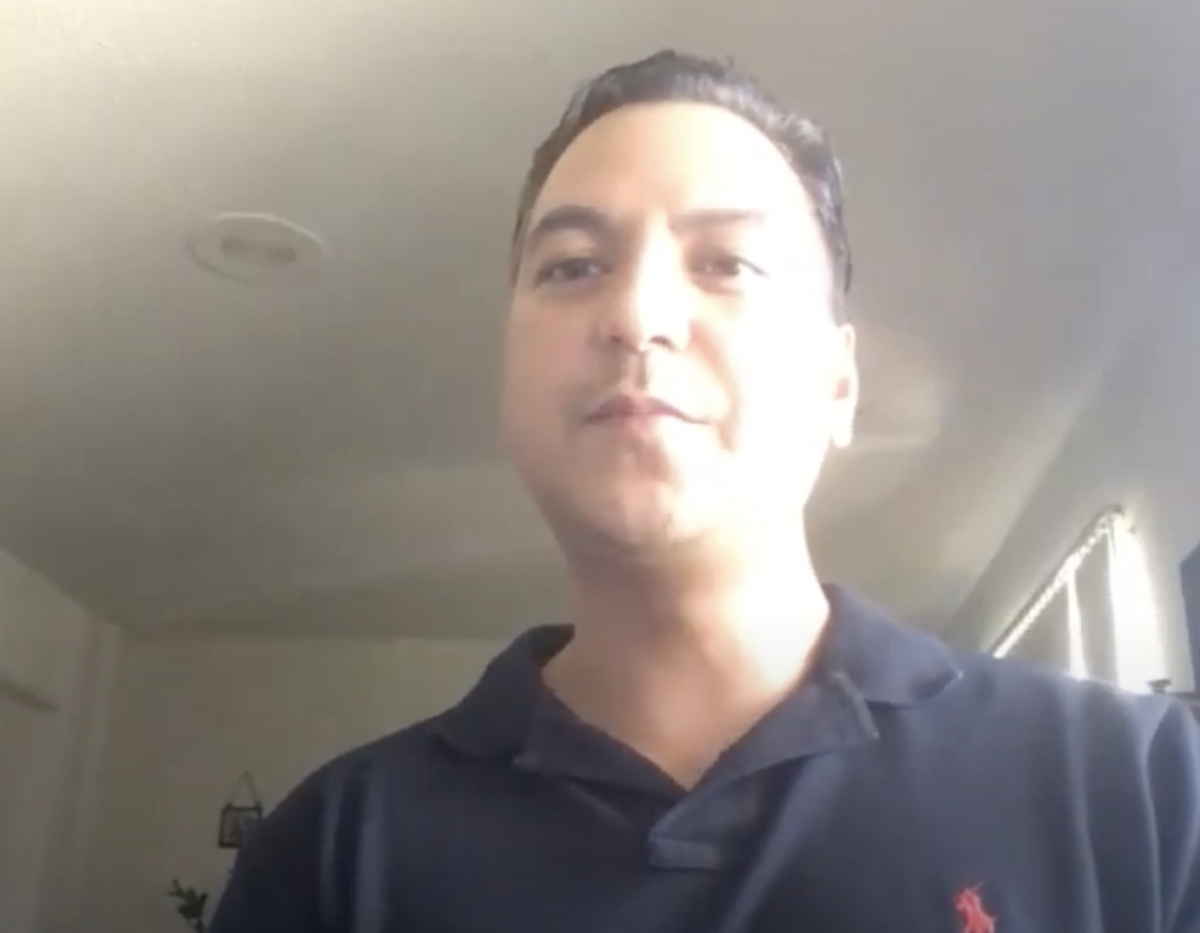
The strike featured multiple speakers, including San José Councilmember for District 7 Bien Doan, who attended the strike in support of the UNAC/UHCP.
“As a former psych nurse and a former fire captain with the San José Fire Department, I support our frontline workers,” Doan said. “Not only for better wages and benefits, but for their safety and the safety of our community.”
Doan said that he is concerned about the staffing shortage at Kaiser and how it may compromise the efficacy of how Kaiser staff can provide healthcare.
“When you lack staff, you lack enough people to support citizens and for the staff themselves it becomes unsafe,” Doan said. “As a fire captain, if I go on scene and I don’t have enough support, I can’t service the people 100%.”
Kaiser has not addressed issues of unsafe amounts of work for caregivers, understaffing and delays in appointments, according to UNAC/UHCP.
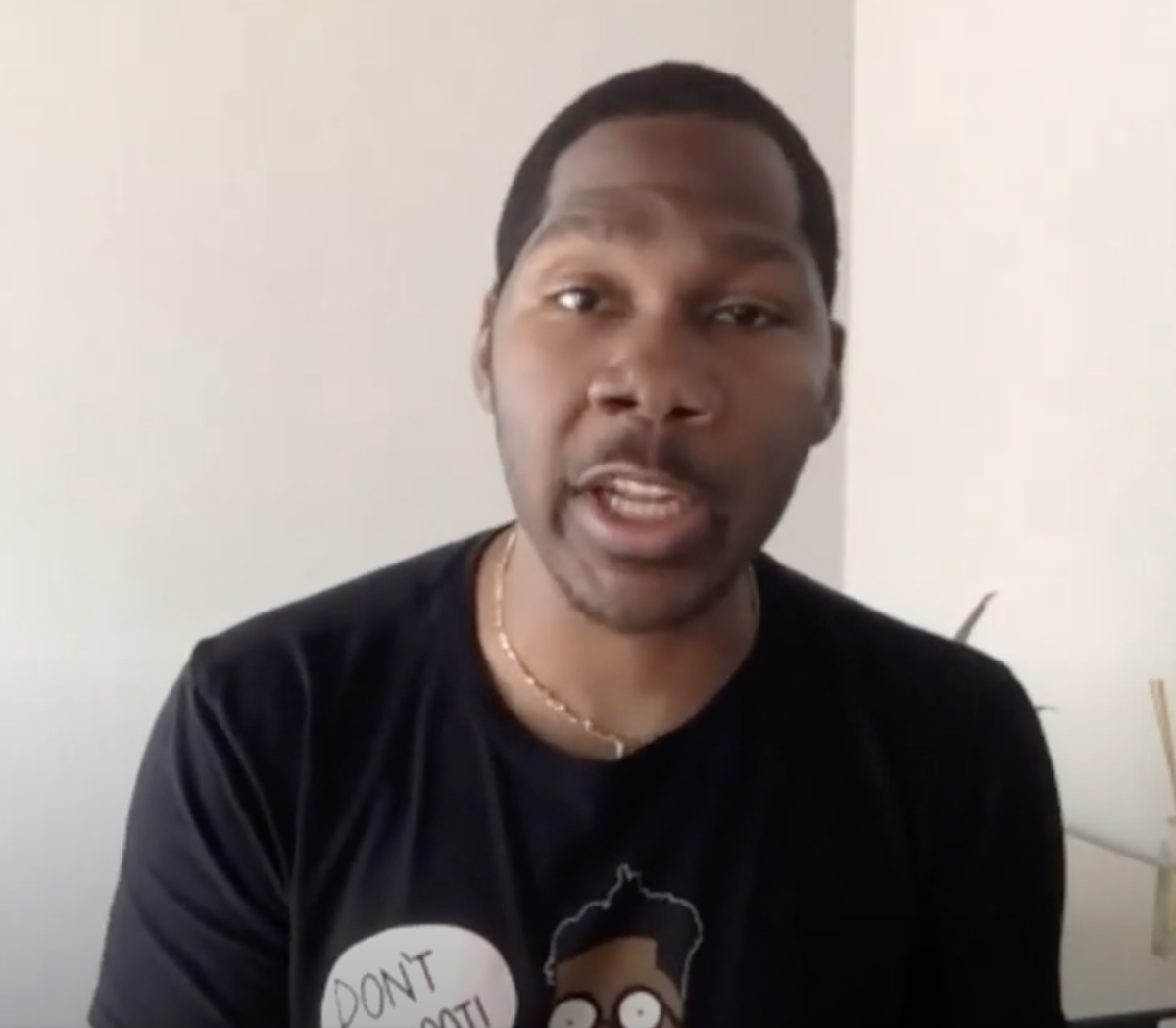
Cameron Cook, a nurse anesthetist at the Redwood City Medical Center, said that he is attending the strike to inform people.
“We’re here to sound the alarm that Kaiser is no longer investing in the public,” Cook said. “That has consequences for (people’s) ability to see a doctor and receive care from an experienced provider. So we’re trying to get the word out.”
Despite the strike entering its third week, Kaiser Permanente has not commented since January regarding the strike.
Hutchins said that experienced healthcare workers are not interested in working at Kaiser, so inexperienced workers are what make up a majority of their new hires.
“We keep getting new grads and they don’t give us time to train,” Hutchins said.
The strike, which has been the third since October, according to Cook, is open-ended and has no planned day to cease.
Keheller said the inexperienced workers are put on cases with minimal preparation and have caused some to request mental health breaks.
“We have staff that are really good, but have been burnt out and have asked me specifically if they can take a mental health day because they’re feeling worked out,” Keheller said. “(They receive) complex patients that they haven’t seen or been trained to be able to treat. … They don’t even know ahead of time in order to prepare for the patient.”
Cook said he thinks the strike is working and that Kaiser will return to the bargaining table soon, so people can get back to working.
“We don’t want to be on the street, it’s been three weeks without a paycheck,” Cook said. “We want to get back inside and we may need the public’s help in demanding that Kaiser stay accountable to their mission of investing in their community and in their providers who provide the care to that community.”