

























Generation Z is often called lazy, entitled, sensitive and unmotivated, but this is simply untrue.
These words come up amongst workplace commentary and in everyday conversations, labeling my generation as “too soft” and “a jack of all trades,” meaning we can’t settle on one career.
Aside from being labeled as lazy, we’re also expected to do more than initial expectations.
The younger generation isn’t asking for less responsibility, but realistic expectations and recognition for our effort and the understanding that ambition doesn’t need to require constant exhaustion when we’re all still trying to figure everything out.
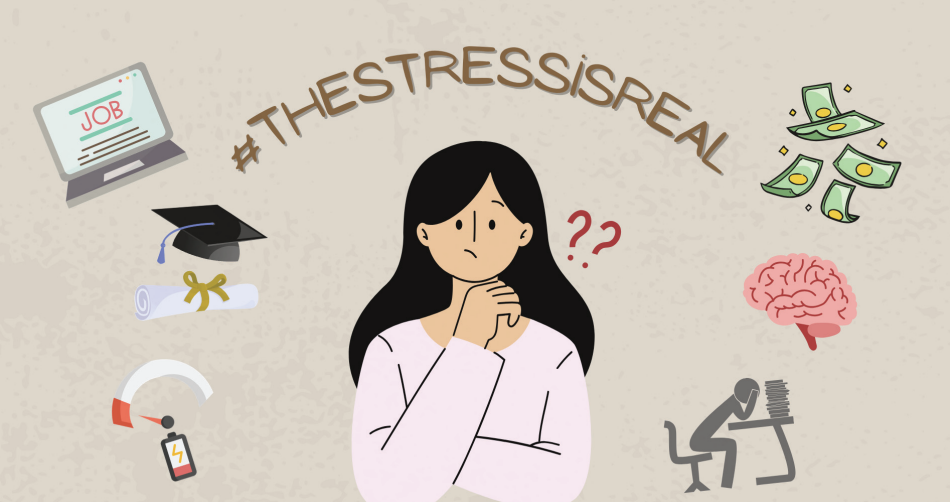
Gen Z is also entering a workforce that demands long experience we don’t have, such as internships, competitive résumés and constant proof that we deserve to be there.
We are expected to have our lives all figured out, so we’re ready once we’re finished with high school or college. There’s nothing wrong with having your life planned ahead of time, but it’s a lot of societal pressure.
Whenever I’m asked where I would see myself in five years, I’m always left speechless because it’s something that I’m not ready for, but I still answer.
Younger people tend to get lost and frustrated because they don’t see the connection between what they’re studying in higher education and their goals for the future, according to the Nebraska Department of Education.
Outside of higher education, entry level positions require younger employees to go above and beyond if they want to stand out in workplace careers.
Unfortunately, I have experienced this in my workplace.
When I do take on additional responsibilities, I’m praised for my ambition and staying at the job longer. But when I decided not to show up one time because of other responsibilities outside of work, my parents told me, “You’re still young, you can handle the pressure.”
It feels like handling multiple workplace and education-related responsibilities is considered dedication, while focusing on my own priorities is considered entitled.
The double standard younger generations receive is questionable and mentally exhausting.
About 19% of Gen Z are worried about the mental health of their generation and unemployment with 21%, compared to millennials, who are more worried about the cost of living, according to a 2024 Deloitte survey.
The contradiction extends to being physically able, especially at jobs.
Friends of mine work as restockers in grocery stores. They are assigned the most physically tolling tasks because they are considered young and assumed to have more stamina than the older workers.
Frequent exertion and standing at work were the highest among men, persons aged 18 to 29 years, Hispanics and adults with less than a high school diploma, according to a Jan. 12, 2018 Morbidity and Mortality Weekly Report from the Centers for Disease Control.
Sometimes it’s better to keep working instead of talking about my exhaustion from an eight-hour shift to avoid criticism due to my age and capability to do work.
Burnout among younger workers is not uncommon. The younger employees experience higher levels of stress compared to older generations, according to the 2024 American Psychological Association poll.
Feeling exhausted does not mean we’re lacking work ethics, it just means expectations and support aren’t well aligned.
The reality is that most of Gen Z, like myself, are working hard in ways not everyone may see immediately.
As a young person who is balancing work, school and personal responsibilities, the weight of pressure to take on more only burdens me more.
Wanting balance does not equal laziness. It just means acknowledging that even young people are also humans.
