
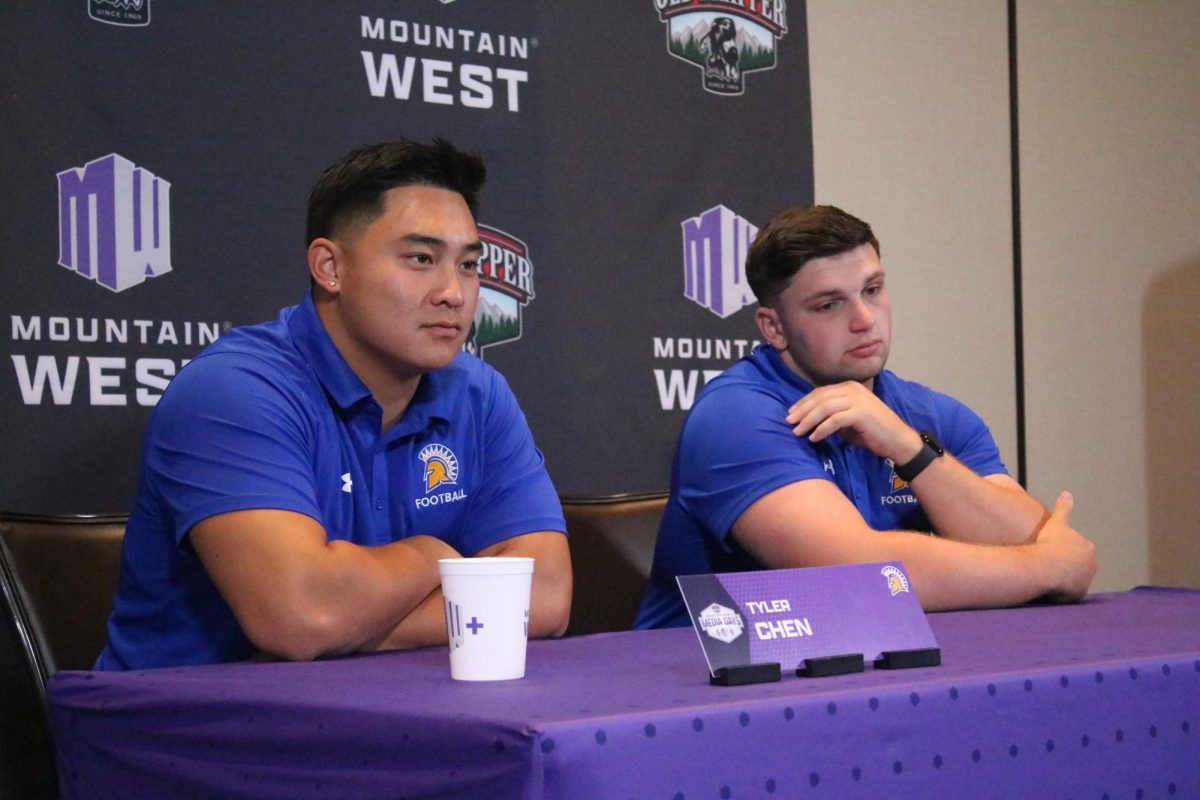



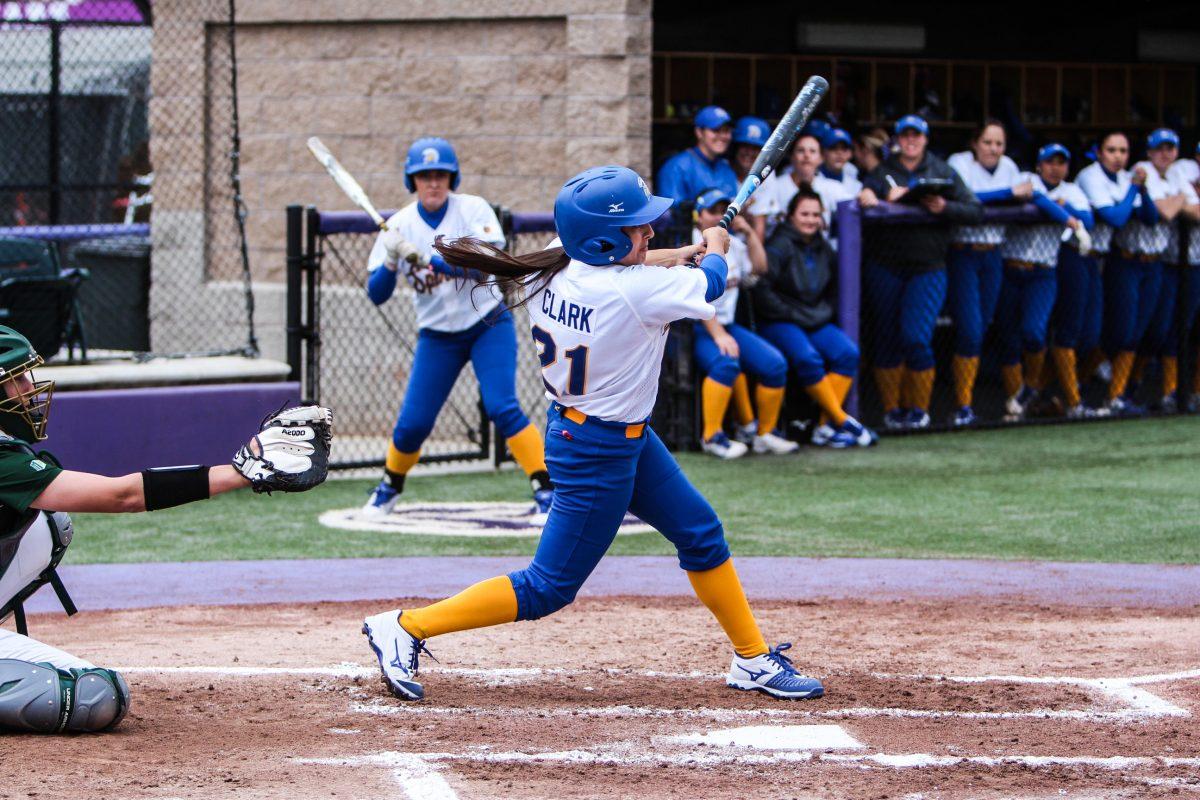
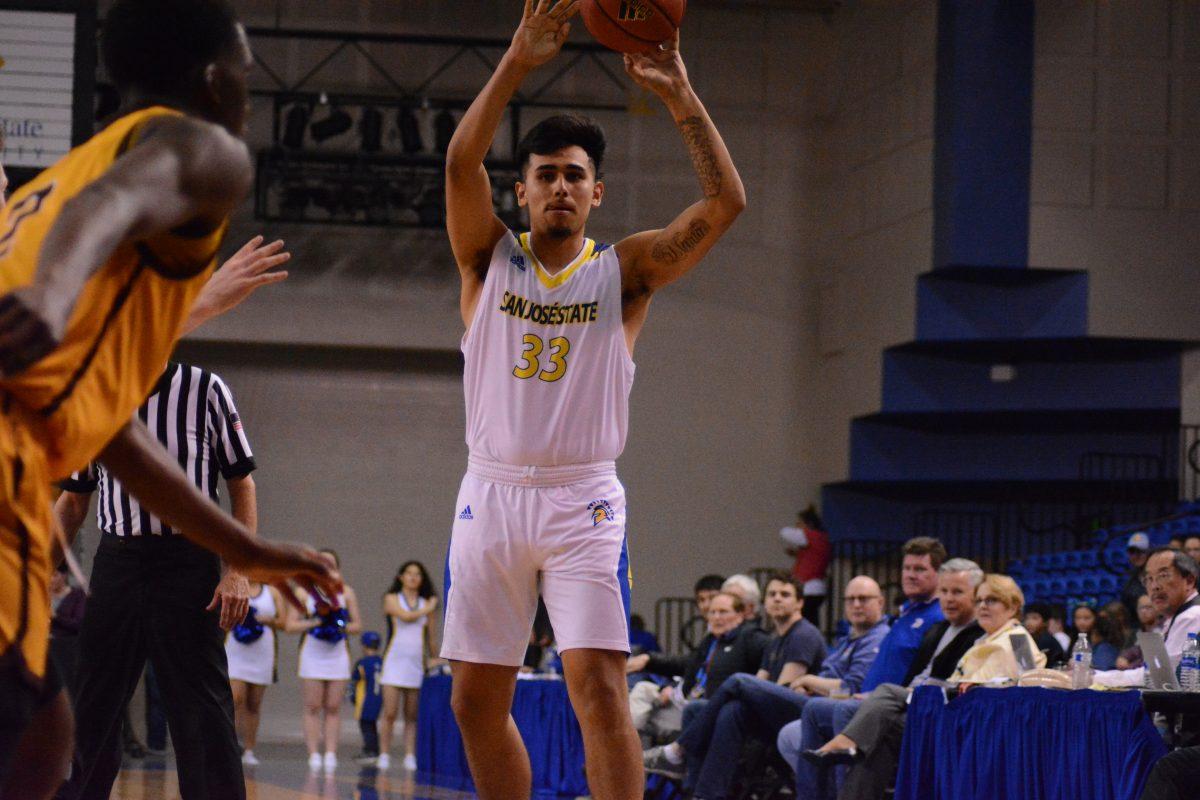
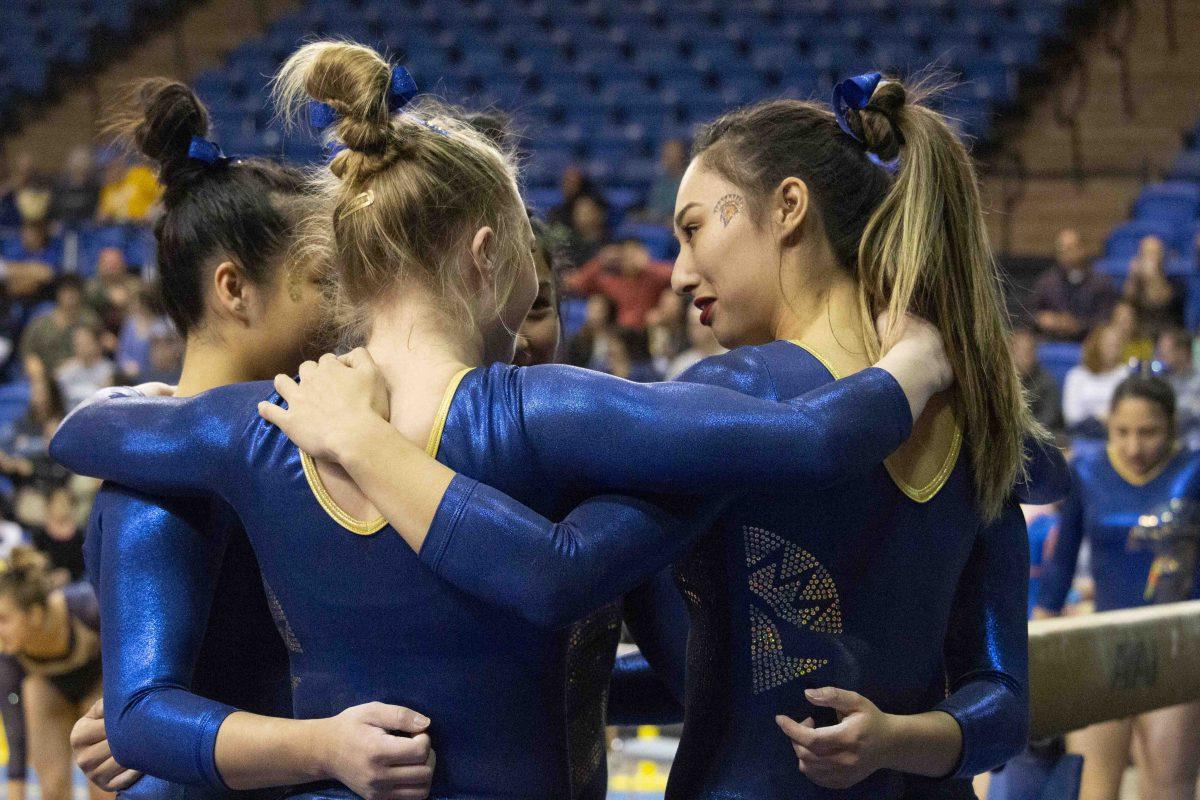
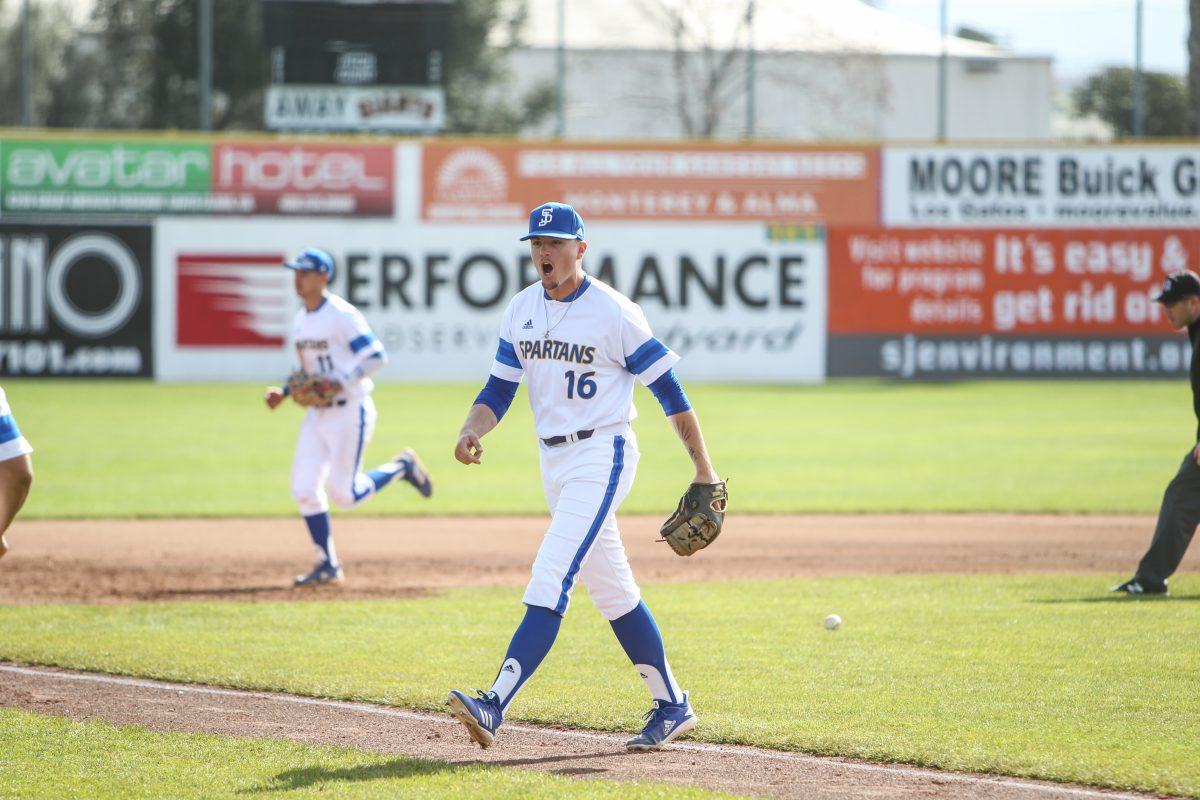
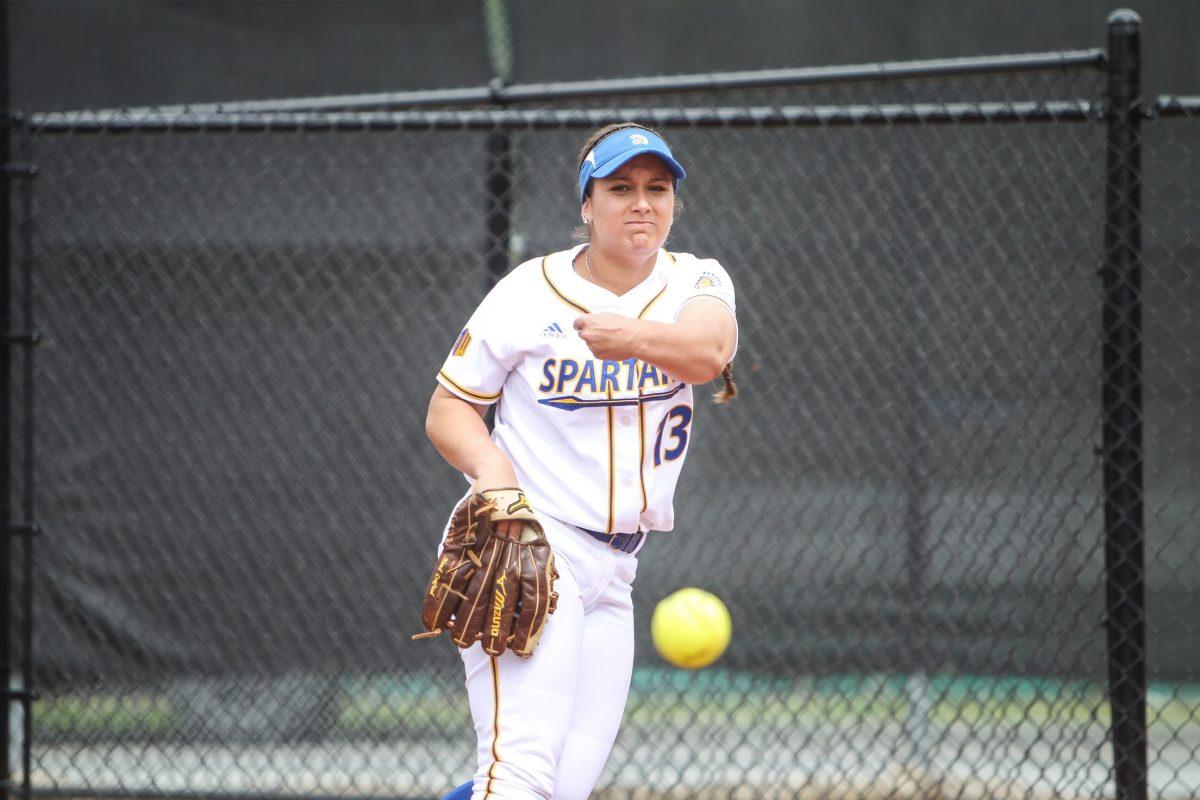
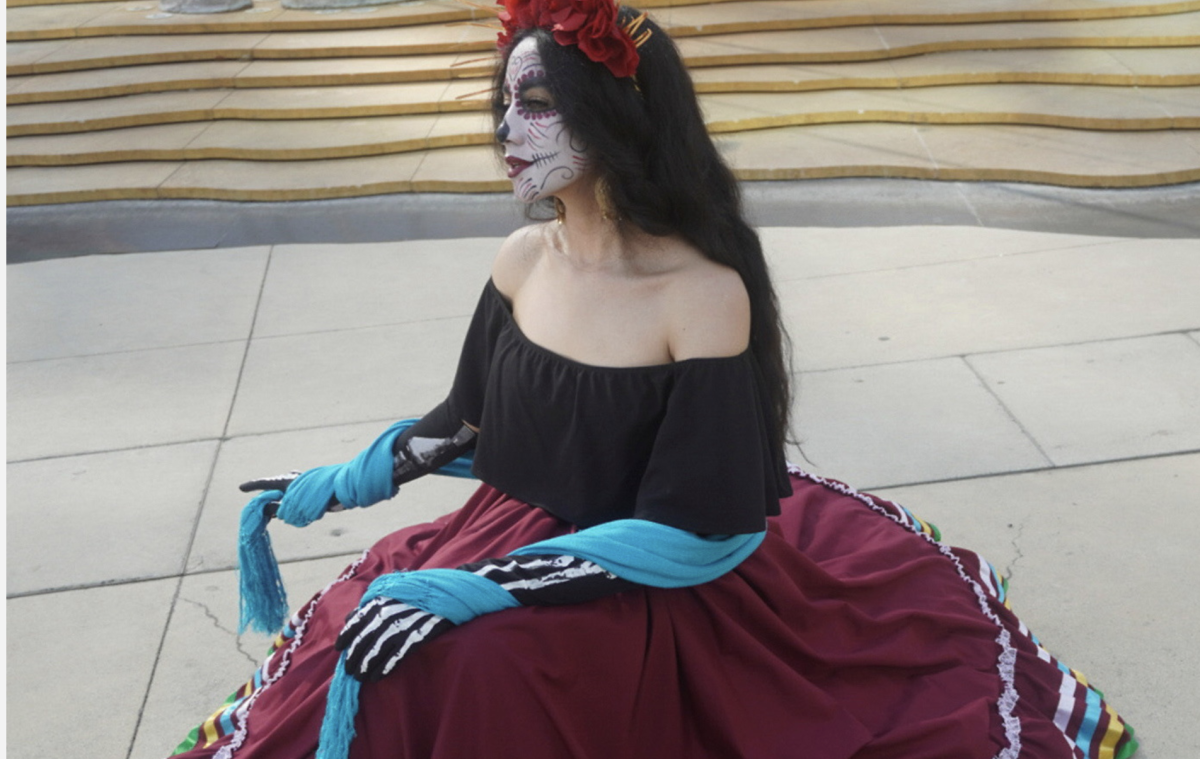







Student athletes say that holidays don’t feel like holidays when they’re spent going to practices, games and away from home.
The median weekly time spent on athletics in-season for college athletes is 33 hours per week for Division I, 31 hours for Division II and 28 hours for Division III, according to a 2019 NCAA GOALS study.
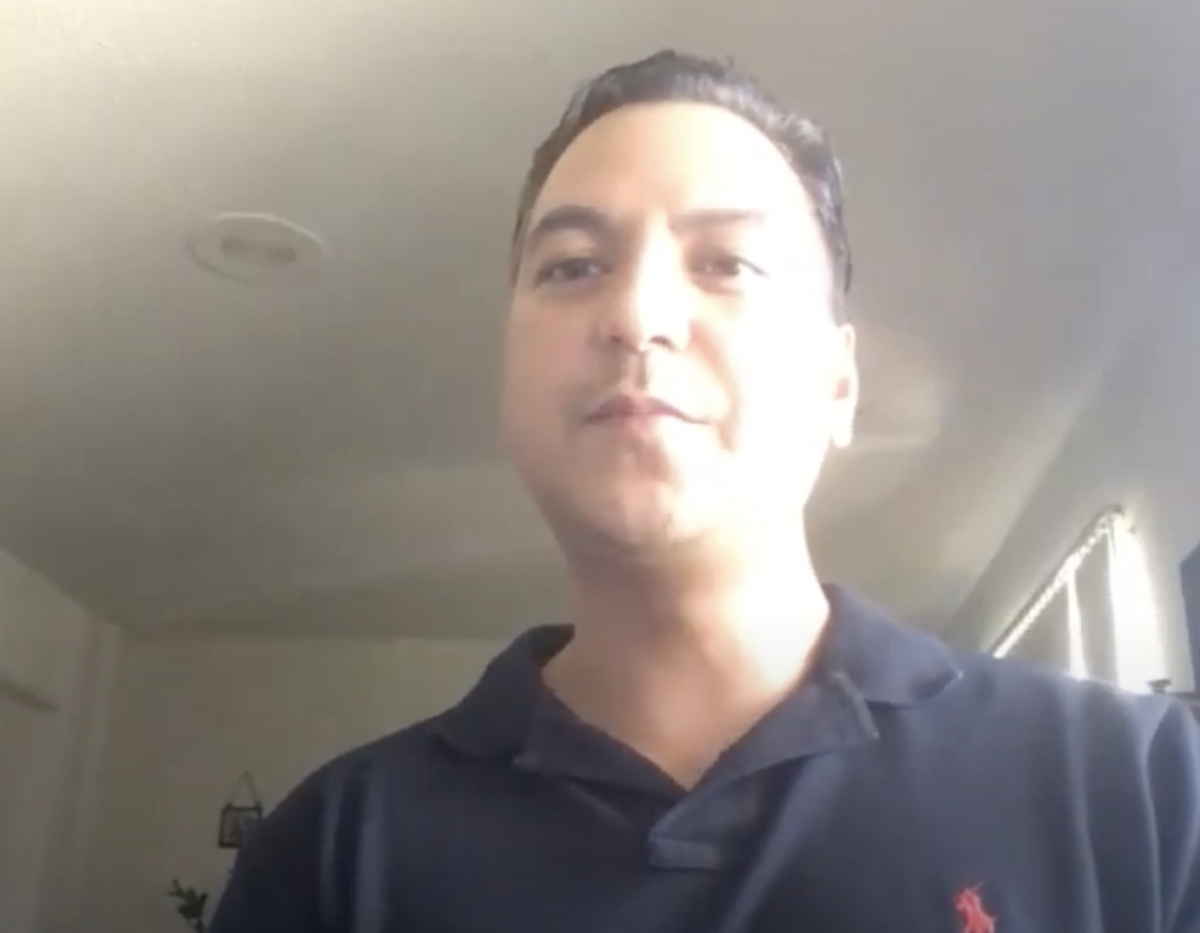
Gregory McClendon III, a first-year communication studies student and linebacker for SJSU, said the holidays during the regular season look nothing like the traditions he grew up with.
“A typical holiday for me during the season would be celebrating the set day with all my teammates in our team meeting room,” McClendon said. “We head into our team cafeteria and all eat together and then we pack up food and head home.”
McClendon said growing up the days began with the smell of freshly cooked food and was spent almost entirely with family and friends.
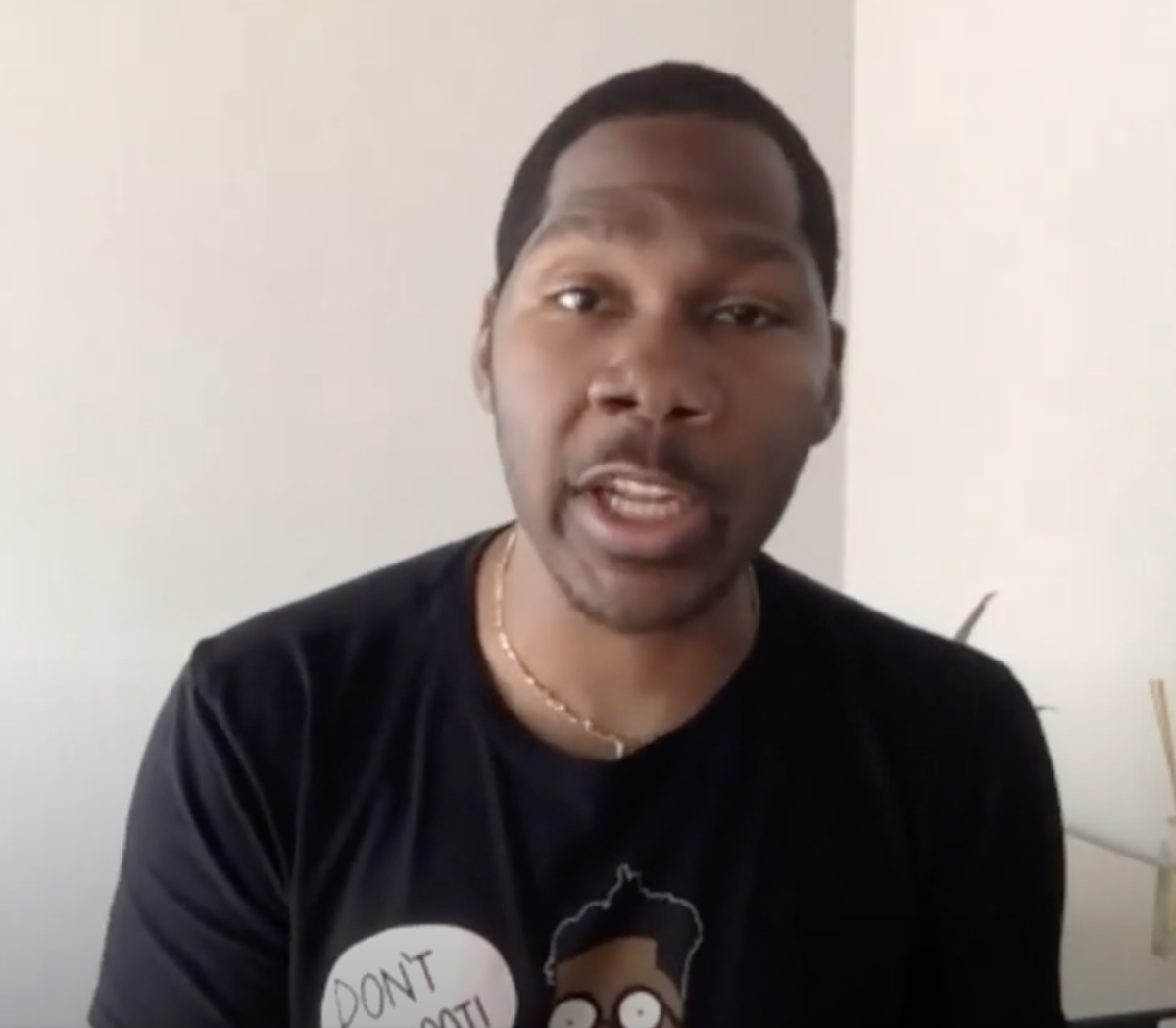
Lamar Heath, a first-year project management student at De Anza College, said he had a similar feeling during the holidays being across the country from his home.
“A holiday during the season for me is a morning practice or meeting. Maybe we have an event planned for the team after, or I go home and cook,” Heath said. “This is different from how I grew up since I’m across the country. I can’t spend time with my family and relax while enjoying my mother’s food.”
Adrian Myers, a third-year philosophy student, said he experiences the holidays as just any other day.
“A holiday looks like a normal day for me,” Myers said. “When I was a kid, I spent the holidays with my family, but I don’t get that privilege anymore.”
A study shows that student-athletes rely on team rituals, scheduled routines and technology to maintain contact with family during long stretches away from home, according to the NCAA.
“I use it as my motivation…in my line of work it’s a sacrifice,” McClendon said.
Heath said he tries to stay connected through technology.
“I try to spend time with my teammates and call my family. It helps me at least speak to them since I can’t see them,” Heath said. “When I missed my siblings’ birthday, that really impacted me.”
However, the players did mention their gratitude towards their connections with their teammates.
Myers said Thanksgiving stood out to him as their coach held a dinner for the team at his own house.
“My teammates and I got together to celebrate. We have a good time every time and it also helps us bond and get closer,” Myers said.
McClendon held the same sentiment.
“We’re all brothers. Even the coaches, we plead a lot about our brotherhood culture,” McClendon said.
Team bonding can help student athletes against feeling lonely and with their mental health.
Research shows that when athletes feel connected with their teammates and sense emotional support from their peers, they report significantly better psychological well-being and lower rates of depression, according to a study on Science Direct.
Myers said the team’s atmosphere matters.
“It feels like we are family and I can tell them anything,” Myers said.
Student athletes don’t just sacrifice holidays or family meals – it’s often free time, sleep and a normal social life, which can play a significant burden on mental-health, according to an Aug. 26, 2024 article on Charlie Health.
Despite the sacrifices, each athlete said they hope other students understand the deeper meaning behind the commitments they make, especially during the holiday periods.
Heath emphasized the work that goes unseen behind cameras.
“People should understand how much we sacrifice,” Heath said. “We all have things going on at home and still decide to travel away from home so we can build a better life for our family.”
