

















The music building on Seventh Street at San Jose State University’s campus, which stands still at the edge, looks silent until you go in.
Behind its walls lies the sound of dedication and preparation in every hallway – choir harmonizing, fingers running scales, percussion steady beneath the click of the metronome.
As the SJSU Music Department’s hosted concert approaches, student musicians dedicate themselves for hours and weeks to turning rhythm and nerves into confidence.
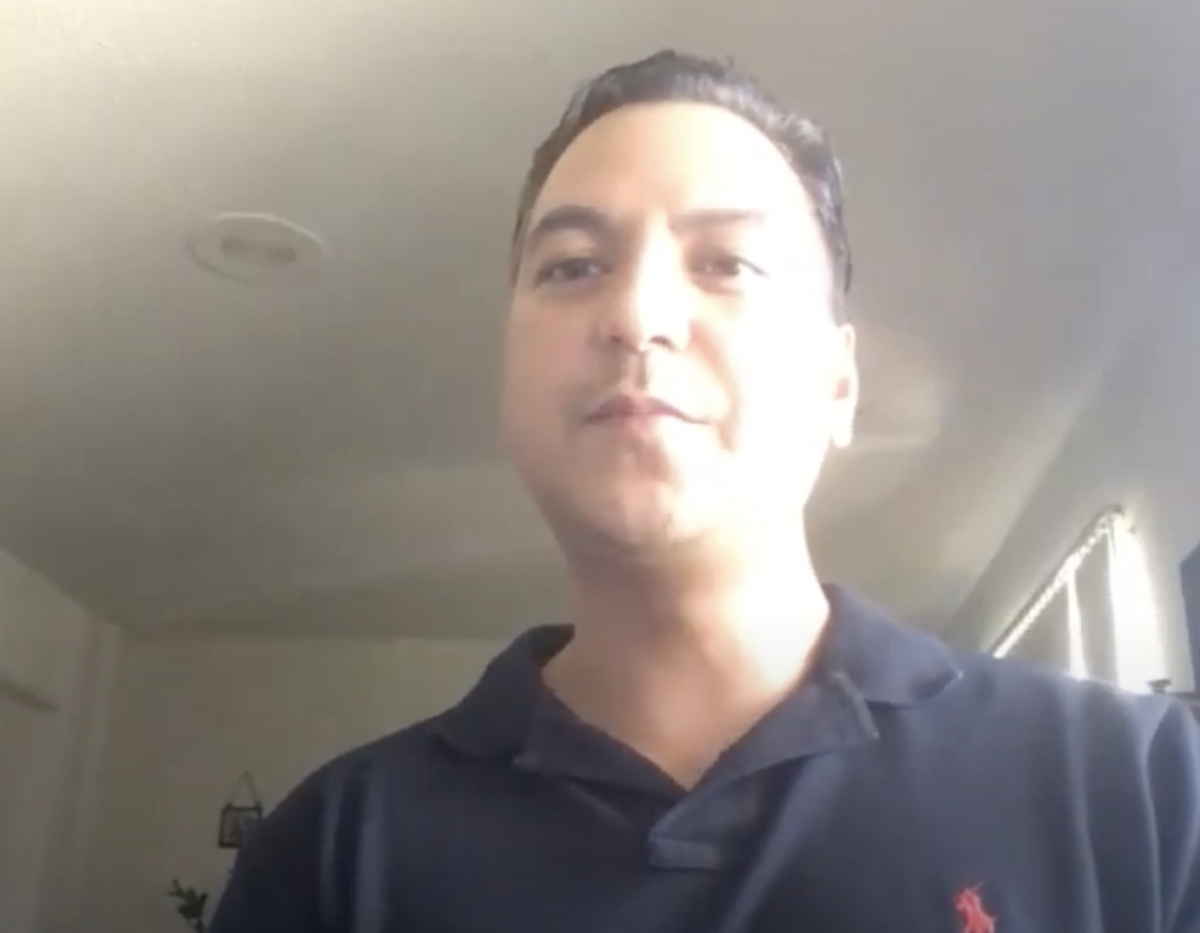
Mihir Joshi, saxophonist and second music education major has been performing both solo and band, but takes a different approach when preparing for a concert.
“As the season goes on, I’m making sure that I know my part almost to a point of memorization, so that when I get comments from my director, I’m able to know exactly what he’s talking about,” Joshi said.
Solo performance refers to an individual taking the stage alone to display their talent, whether it’s music, dance, or theater, according to a definition by Study Smarter.
It showcases their skills and ability to engage with the audience while expressing originality.
Each practice room in the music building holds its own story of repetition and focus.
San Jose State University’s School of Music offers a wide range of performance opportunities for both music and non-music majors which includes orchestras, jazz groups, chamber music, and the renowned Spartan Marching Band.
Its ensembles have also earned top recognition at prestigious national and international festivals.
Memorization is one of the big methods that helps Joshi prepare for a performance, and taking it slow and a few breaks is what helps ease the pressure even when practicing.
There are three ways that are used as one of the most reliable methods when it comes to memorizing music, visual, tactile, and aural, according to an article by Berklee College of Music.
Joshi uses the tactile method based on his experience when it comes to practicing his music notes and pieces, as he focuses on memorization and repetition.
“I know how every note feels on my fingers, I know how every note sounds”, Joshi says.
Student musicians chase precision before stepping on stage.
For them, the real performance begins the moment the music pieces are handed by their director, before the audience sees it for themselves.
“It depends on the player and how fast they are at learning things, I go through one piece every two weeks, so about two or three weeks”, Joshi said.
On average, musicians take about one to three hours per week of practice, but it depends on the type of piece they practice and instrument they play, according to Sound Adventurer.
When practicing continues until the day of the concert, it can lead to mental fatigue, and musicians can lose the emotional connection that makes their performance alive.
“I never play on the same day of performance, and I don’t touch my saxophone 20 minutes before my performance,” Joshi said.
Over-rehearsing can always wear down the mind, body, and spirit, according to Dance Teacher Magazine.
Nadja Ryan, a third year percussionist and music education student who has been in the music field for eight years, faces similar challenges when balancing long practice hours with maintaining their mental well-being.
“When I was younger, handling the pressure and stress of making mistakes was much harder for me. I would walk out of rough rehearsal feeling very defeated and disappointed in myself,” Ryan said.
Musicians often face the same inner challenges as sports athletes, which are fear of failure, unrealistic expectations, and self-doubt, according to an article from Positive Psychology.
It’s easy for musicians to get into the mindset of overthinking every note, chasing perfection until everything starts to feel heavy instead of freeing.
“You will only make more mistakes, and when they happen, the best thing you can do is keep your eyes moving forward and focus on the next thing,” Ryan said.
Counting down the days before the big show, the music building becomes its own world, switching from exhaustion to anticipation
“A live performance is something that you have to be present for, and making meaningful music with people you love is a very special thing,” Ryan said.
Preparation goes up until the very moment of performance, many musicians using their own methods to get in the spirit.
Pedro Archila Argueta, a second-year bassist and music education major, prepares differently on the day of performance, though his to-do lists are personal to him.
“I always like to eat, not a big meal, but a decent-sized meal, like a little bit before”, Argueta said. “I don’t want to be full during the concert because I think that makes me uncomfortable.”
For Argueta, preparation is not just about concentration but also comfort, as it helps him to get into the mindset of performance.
“What I also like to do is listen to music that isn’t necessarily music,” he said. “I really love to listen to A Tribe Called Quest and Kendrick Lamar, like those are my go-to things to listen to before a concert.”
Taking the time to practice, light meals, breathing exercises, and a visual can help the performer to stay calm and centered, according to the Utah Symphony Orchestra.
While Ryan finds her strength in learning from her mistakes in every piece of music, others focus on different habits and routines that can help them stay focused before stepping into the spotlight in front of hundreds of audience.
“I try to remind myself that mistakes are okay and do not define me. At the end of the day we are making music and not doing brain surgery, and it should be enjoyable”, Ryan said.
Consistency often comes down to what happens in those silent moments before stepping on stage, according to an article from Bullet Proof Musician.
What started as days of silence and minimal music noises in the building soon unfolds under the colors of stage lights that trace back to all the dedicated hard work.
“If I could go up and thank the audience personally for coming, I genuinely would because it was great for me to know that people came to our campus to come and see us perform,” Argueta said.
